Thursday, May 28, 2026 |Navi Mumbai
--:-- | --°C | AQI --
If it's not on Unbox Daily HQ, it's not a Launch. Every product, policy and brand launch in India. One hub. What's new?
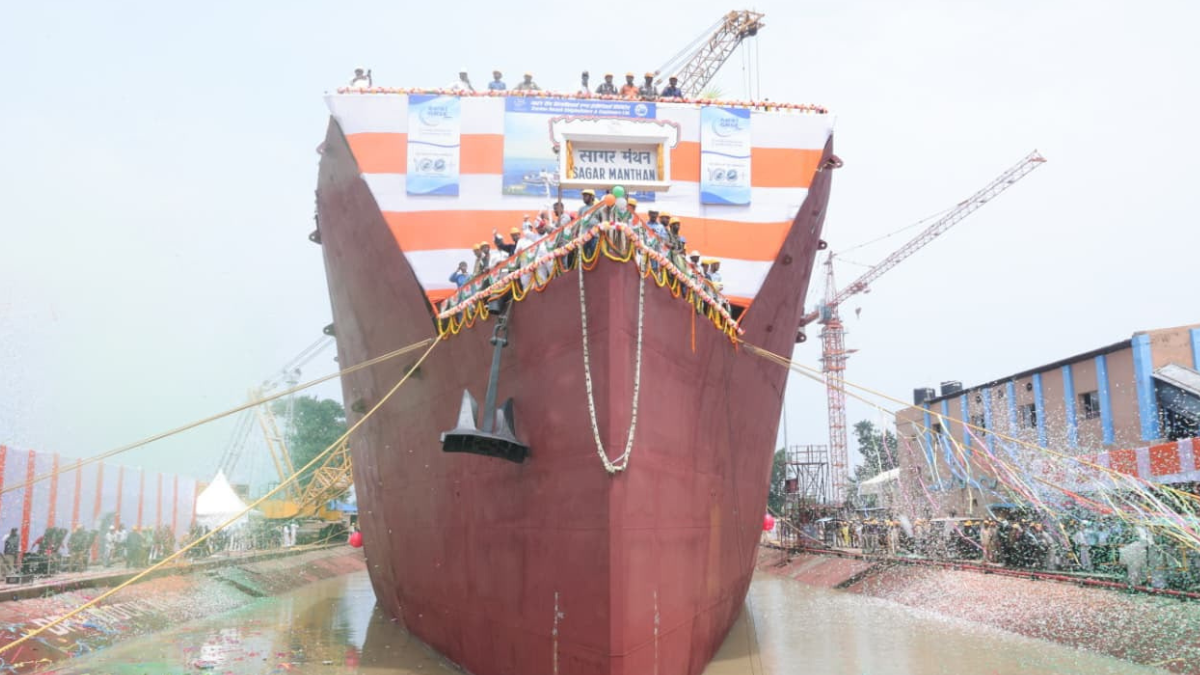
The ORV Sagar Manthan multidisciplinary platform replaces an aging German vessel for ocean research.
The Takeaway
Garden Reach Shipbuilders & Engineers Limited constructed the multidisciplinary research vessel for the National Centre for Polar and Ocean Research. The hull entered water during September 2026. System integrations and extensive sea trials will precede full commissioning in 2028. The platform operates under government oversight.
Advanced survey gear supports deep ocean operations across multiple disciplines. The ship carries dynamic positioning tools alongside weather radar and atmospheric observation instruments. Sub-bottom profiling works alongside multichannel seismic systems to map oceanic structures. Swath multibeam bathymetry collects detailed water column samples during transit.
Domestic engineering replaces reliance on foreign shipyards for specialized scientific vessels. The new vessel replaces the 43-year-old ORV Sagar Kanya, which India bought from Germany in 1983. Built to endure harsh Southern Ocean environments, the structure features a projected 30-year operational life.
ORV Sagar Manthan price and specifications
| Feature | Detail |
| Manufacturer | Garden Reach Shipbuilders & Engineers |
| Project cost | Rs 840 crore |
| Keel laying date | April 08, 2026 |
| Expected delivery | 2028 |
| Operating lifespan | 30 years |
Government funding through the Deep Ocean Mission secures long-term maritime exploration. Just as the private rocket making Indian space commercially viable expands aerospace access, this platform expands oceanographic reach. Scientists will survey mid-oceanic ridges in the Indian Ocean to study hydrothermal sulphide mineralisation. Data collection will also establish baseline environmental models for climate monitoring.
ⓘ Sponsored: Unbox Daily HQ earns a commission if you buy through these links, at no extra cost to you. Prices shown are subject to change, and the actual price on Amazon at the time of purchase may vary from what is displayed here.
The Unboxed Truth
Unbox Daily HQ views the Rs 840 crore ORV Sagar Manthan as a crucial milestone in national maritime self-reliance. Replacing an aging foreign-built vessel with a domestically built research platform secures sovereign access to oceanographic data. At Rs 840 crore, this investment delivers essential tools for mapping mineral deposits and tracking disaster risks across extreme ocean conditions.
Best for: Deep ocean research and hydrothermal deposit mapping.
Who Is This For: Marine scientists and oceanographers aged 25 to 50.
Courtesy: Garden Reach Shipbuilders & Engineers
The ORV Sagar Manthan costs approximately Rs 840 crore under the government’s Deep Ocean Mission. Garden Reach Shipbuilders & Engineers constructed the multidisciplinary vessel, with final commissioning scheduled for 2028. The platform serves as a non-commercial national asset dedicated to deep-sea exploration across Indian waters.
The ORV Sagar Manthan is a domestically constructed research vessel that replaces the 43-year-old German-built ORV Sagar Kanya. It features specialised drop keels for deploying autonomous underwater vehicles alongside advanced seismic profiling tools. This transition accelerates India’s self-reliance in maritime technology with a projected 30-year service life.
The ORV Sagar Manthan delivers vital national value by securing sovereign access to deep-sea research and hydrothermal mineral mapping. The Rs 840 crore platform replaces outdated imported hardware with modern domestic engineering built for extreme ocean conditions. This asset is best for marine scientists and oceanographers aged 25 to 50.