Thursday, May 28, 2026 |Navi Mumbai
--:-- | --°C | AQI --
If it's not on Unbox Daily HQ, it's not a Launch. Every product, policy and brand launch in India. One hub. What's new?
The tourism ministry plans to replace inspection-based hotel classifications with a faster self-declaration framework.
The Essentials
The Pulse
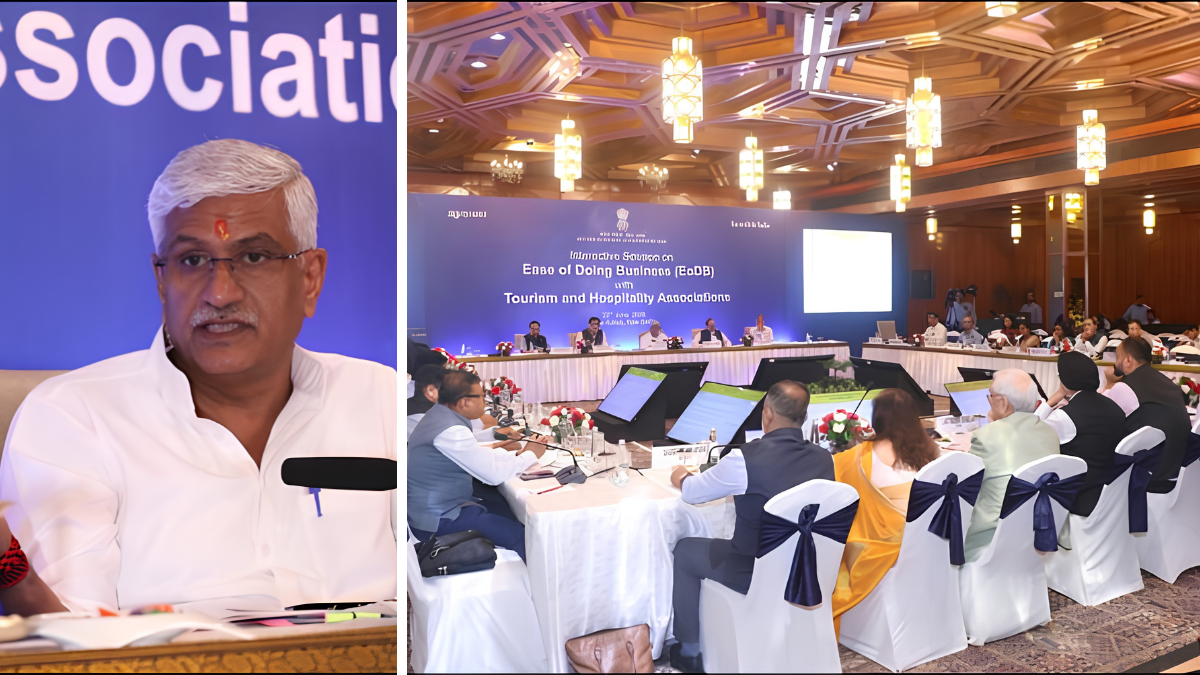
The Ministry of Tourism is removing the requirement that hospitality units must hold a ministry classification to obtain operational licences. This policy shift replaces the traditional inspection-based assessment with a self-declaration model, significantly reducing the checklist items business owners must complete. The change emerged from a consultation in New Delhi between the government and nine major industry associations, aimed at reducing regulatory burdens across the sector.
A key digital initiative proposed is the Entity Locker for the tourism and hospitality sector. This digital vault will allow businesses to store and verify their compliance documents in one place, removing the need to submit duplicate paperwork across different state and central departments.
The ministry is also creating a central database of homestays, tour operators, and guides to support policy decisions. The discussions highlighted a clear move towards legitimising homestays and experiential travel as formal sub-sectors, which provides clearer operational guidelines for independent property owners. The framework also targets visa rationalisation and simplified land access for larger tourism projects.
The Snapshot
ⓘ Sponsored: Unbox Daily HQ earns a commission if you buy through these links, at no extra cost to you. Prices shown are subject to change, and the actual price on Amazon at the time of purchase may vary from what is displayed here.
| Subject | Industry Consultation on Ease of Doing Business |
| Chairperson | Shri Gajendra Singh Shekhawat |
| Target Sector | Tourism and Hospitality |
| Key Regulatory Change | Shift to self-declaration-based assessment |
| Proposed Tech Solution | Entity Locker for document verification |
| Database Additions | Hotels, homestays, tour operators, guides |
| Focus Growth Segments | Live events, homestays, amusement parks |
| Industry Participants | FAITH, ASSOCHAM, PHDCCI, WTTCII, TGFI, ABTO, CII, IAAPI, FICCI |
The Big Picture
Securing clearances for new hotels or resorts in India traditionally involves navigating multiple state and central departments, often delaying projects by several months. The move towards self-declaration mirrors compliance reforms already seen in the aviation and MSME sectors. By bringing industry bodies into the planning phase, the ministry aims to address the specific bottlenecks that deter private investment. This alignment between the central government and state authorities is crucial, as tourism remains a state subject, making nationwide policy implementation historically difficult.
The India Prospective
For independent property owners or small-scale tour operators, this signals an easier path to formalising their business. Legitimising homestays means property owners can operate without the constant fear of regulatory ambiguity. The proposed digital vault and reduced certification requirements lower the barrier to entry, potentially making it cheaper and faster to start a hospitality venture beyond the major metro cities.
The Inside Intel
The ministry has already taken the crucial initial step of entirely delinking operational licences from its own official classification of hospitality units. Previously, these two distinct regulatory processes were heavily entangled across multiple departments. This meant a routine administrative delay in a single ministry inspection could directly halt a newly built hotel’s ability to legally open its doors to paying guests.
The Unboxed Truth
Unbox Daily HQ considers this a necessary and practical step for anyone looking to invest in India’s hospitality space, particularly in the growing homestay and experiential travel segments. The shift from physical inspections to self-declaration removes a significant layer of bureaucratic friction that often drains capital before a business even opens. If the Entity Locker is implemented effectively, it will save operators countless hours of repetitive paperwork. The true test will be how quickly state governments adopt these central recommendations.
Best for: Hospitality entrepreneurs and property investors who want to establish homestays or boutique hotels without extensive regulatory delays.
Who Is This For: Perfect for 30 to 55-year-old business owners and investors in the tourism sector who are seeking a faster path to operational compliance.
The Checkout
The Source
Ministry of Tourism | PIB.GOV
The Query
The Ministry of Tourism has already begun the reform process by delinking operational licences from its official hospitality classifications. Full implementation now relies on individual state governments adopting these central recommendations. The central government is currently working with industry associations to streamline compliance across the country.
The new policy replaces traditional inspection-based assessments with a streamlined self-declaration framework that reduces mandatory checklist items. It also introduces a digital Entity Locker to store and verify compliance documents in one central vault. This reduces the need for hospitality operators to repeatedly submit paperwork across different departments.
These regulatory reforms specifically benefit hospitality entrepreneurs, property investors, and independent operators looking to set up homestays or boutique hotels. The simplified framework lowers the barrier to entry and speeds up operational compliance outside major metro cities. It provides a clearer, faster path to formalising small-scale tourism and experiential travel ventures.