Thursday, May 28, 2026 |Navi Mumbai
--:-- | --°C | AQI --
If it's not on Unbox Daily HQ, it's not a Launch. Every product, policy and brand launch in India. One hub. What's new?
Honda's ADV160 runs on E85 ethanol fuel, marking a crucial shift away from petrol-only scooters for Indian riders.
The Essentials
The Pulse
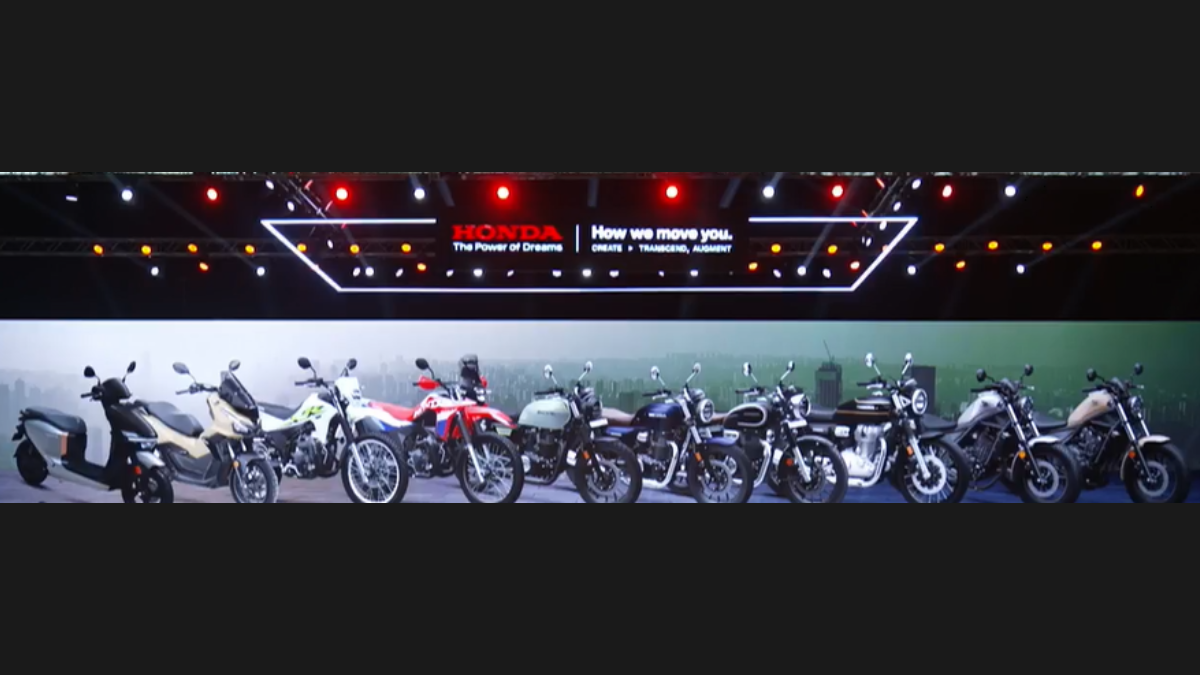
Honda’s new 10-model lineup introduces the ADV160, India’s first scooter capable of running on E85 flex-fuel. The manufacturer also showcased the CB500 roadster, the QC3 electric scooter, four adventure and cruiser models, and refreshed its CB350 range.
Pricing and specific Indian release dates remain unconfirmed, as the domestic rollout will happen in phases.
This introduction targets the massive segment of Indian riders who want to upgrade from basic commuters but are not ready for the infrastructural demands of electric vehicles. By heavily localising production, the brand ensures these technologies remain accessible for the domestic market.
The addition of the QC3 electric scooter directly answers the range anxiety that plagued earlier models, upgrading the battery to 3kWh to deliver a claimed 145-kilometre range. Concurrently, the E-Clutch technology on the new Rebel cruisers addresses the physical fatigue of traffic, fundamentally altering how riders will experience heavily congested routes.
ⓘ Sponsored: Unbox Daily HQ earns a commission if you buy through these links, at no extra cost to you. Prices shown are subject to change, and the actual price on Amazon at the time of purchase may vary from what is displayed here.
The Breakdown
The ADV160 utilises a 156.9cc water-cooled, single-cylinder engine with FlexTech, supporting up to 85 per cent ethanol blends. It pairs this with a 27-litre under-seat storage compartment. The QC3 electric scooter upgrades to a fixed 3kWh lithium-ion battery, taking two hours and 40 minutes to reach an 80 per cent charge via a fast charger. For the internal combustion range, the CB500 features an India-specific 501cc single-cylinder, air-cooled engine with an oil cooler, diverging from the global twin-cylinder format. The Rebel 300 and 500 cruisers incorporate a proprietary E-Clutch system, mechanically eliminating the need to pull a lever for gear shifts.
The Distinction
Most manufacturers force a binary choice: petrol or electric. Honda is introducing three pathways simultaneously. The architecture of this lineup delivers internal combustion engines, larger-battery electric vehicles like the QC3, and the industry’s first E85 flex-fuel option with the ADV160. This multi-pathway strategy gives buyers transitional technologies rather than forcing immediate electric vehicle adoption. By addressing the gap between pure petrol and pure electric mobility, this approach provides a structural alternative that no other brand in the domestic market currently offers at this scale.
The Snapshot
| Spec | Detail |
| Models Revealed | ADV160, QC3, CB500, Rebel 300, Rebel 500, XR300L, XR300 Rally, CB350 range |
| ADV160 Engine | 156.9cc water-cooled, E85 flex-fuel |
| QC3 Battery | 3kWh lithium-ion |
| QC3 Range | 145 km (IDC claimed) |
| CB500 Engine | 501cc single-cylinder, air-cooled |
| India Price | Not yet confirmed |
| Availability | India rollout not yet confirmed |
The Big Picture
Royal Enfield currently dominates the premium middleweight category in India, while Ola Electric and TVS control the electric scooter narrative. Honda previously remained cautious, leaning heavily on its reliable volume drivers. This 10-model offensive signals a decisive break from that conservatism. By simultaneously attacking the modern-classic segment with an India-specific 501cc engine, addressing electric vehicle range limits with the QC3, and pioneering flex-fuel infrastructure with the ADV160, the brand is attempting to encircle local competitors rather than fighting them on a single, isolated front.
The India Prospective
Indian buyers watching this space should evaluate their daily routes before choosing a pathway. The flex-fuel ADV160 offers a logical bridge for riders without dedicated parking for electric vehicle chargers. Meanwhile, those commuting over 30 kilometres daily in heavy traffic should track the Rebel cruisers closely. The E-Clutch system will genuinely reduce wrist fatigue on congested routes in Mumbai or Bengaluru, offering a mechanical advantage over traditional manual gearboxes.
The Inside Intel
The engine powering the new CB500 is entirely unique to the Indian market. While the global CB500 motorcycle utilises a high-revving parallel-twin setup, the manufacturer engineered a distinct 501cc single-cylinder, air-cooled unit with an oil cooler specifically for India. This structural change exists solely to deliver the heavy, torque-rich character at low speeds that domestic modern-classic buyers expect.
The Unboxed Truth
Unbox Daily HQ views this multi-pathway strategy as the most pragmatic approach to Indian mobility revealed this year. A 32-year-old professional commuting 40 kilometres daily through Bengaluru traffic often feels forced to choose between the range anxiety of a standard electric scooter or the fuel costs of a petrol alternative. The ADV160 provides a vital third option, running on E85 ethanol blends to lower emissions without requiring a charging plug, an architectural flexibility no rival currently offers.
No India pricing or timeline is confirmed yet. The urban commuter who wants this category covered should check back at unboxdailyhq.com.
While the upfront cost is pending, the local manufacturing ensures these models will compete directly with domestic rivals. If the QC3 electric scooter commands a ₹15,000 premium over standard petrol models, it will still recover that difference within six months of fuel savings for a daily rider, proving honest value over the long term.
Best for: Urban professionals enduring heavy stop-start traffic who need transitional fuel options or clutchless cruising to manage daily fatigue
Who Is This For: Perfect for 28 to 45-year-old high-mileage commuters in metropolitan areas who lack dedicated electric vehicle parking
The Checkout
Honda Motorcycle and Scooter India
The Source
Honda Motorcycle and Scooter India
The Query
The official pricing and release timeline for the Honda ADV160 in India remain unconfirmed at this stage. The domestic rollout will happen in phases, introducing an E85-compatible 156.9cc engine as the country’s first flex-fuel scooter. By heavily localising production, the manufacturer ensures this new technology remains financially accessible.
The Honda ADV160 offers a flex-fuel alternative to pure electric models from Ola Electric and TVS by running on E85 ethanol blends. This lowers emissions while eliminating the range anxiety and dedicated charging infrastructure required by standard electric vehicles. It provides a vital third option for Indian mobility.
Yes, the ADV160 is the perfect purchase for 28 to 45-year-old high-mileage commuters in metropolitan areas who lack dedicated electric vehicle parking. Although the exact upfront cost is pending, local manufacturing ensures competitive pricing and honest long-term value. It serves as an ideal transitional vehicle for urban professionals.