Thursday, May 28, 2026 |Navi Mumbai
--:-- | --°C | AQI --
If it's not on Unbox Daily HQ, it's not a Launch. Every product, policy and brand launch in India. One hub. What's new?
Google releases two speech generation models to fix robotic cadence and halt long session drift.
The Takeaway
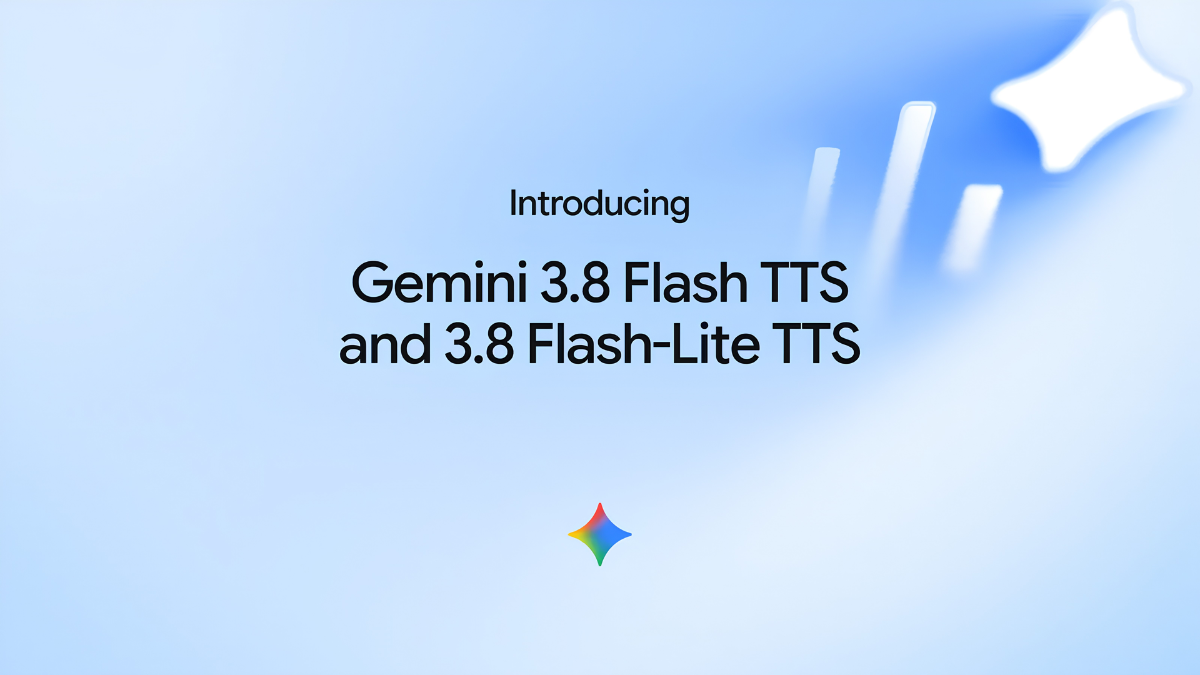
Google releases two text-to-speech models to its developer interface in India. The Gemini 3.8 Flash TTS tier handles complex creative direction for gaming and podcasts. The Gemini 3.8 Flash-Lite TTS variant handles high-volume tasks like automated dubbing and responsive conversational agents. Both systems replace an old fixed list of thirty voices with a massive library of over two thousand regional profiles. The brand claims Gemini 3.8 Flash-Lite TTS operates as a cost-efficient option; we couldn’t independently verify this pricing structure.
These models change how developers build conversational tools at the server level. Writers can embed acoustic stage directions directly into the text code. Typing a specific bracketed cue triggers a sigh or a backchannel murmur exactly where it belongs in the timeline. The backend infrastructure actually generates a complete dialogue between two speakers from one script file. The server processes turn-taking natively so voices never bleed into each other during complex generation cycles.
Security protocols sit at the absolute centre of the voice cloning tool. You can replicate a real person using a brief thirty-second sample, but the pipeline forces a mandatory identity check before it renders anything. You must upload an explicit secondary consent track recorded by the actual owner. The system then runs a mathematical check to guarantee acoustic alignment between the uploads. Every final output receives a permanent SynthID watermark and C2PA metadata coded into the audio waveform.
Core capabilities of the Gemini 3.8 Flash TTS platform
| Feature | Standard |
| Primary input | Text prompt |
| Cloning requirement | 30-second consent sample |
| Built-in voices | Over 2000 |
| Audio watermark | SynthID |
| Metadata standard | C2PA |
The model scored 71.4 on the Hume AI Voice Design Benchmark. The brand claims both new Gemini models captured the top two spots on the Overall Quality Index; we couldn’t independently verify this. Google also claims high placements in blind test evaluations for Hindi and Mexican Spanish; we couldn’t independently verify this either.
ⓘ Sponsored: Unbox Daily HQ earns a commission if you buy through these links, at no extra cost to you. Prices shown are subject to change, and the actual price on Amazon at the time of purchase may vary from what is displayed here.
Read more: Can Gemini finally end the scam ad epidemic in India?
Indian developers face a specific hurdle with this cloud-based API. Deploying live dual-speaker AI agents here requires serious edge network planning. Indian mobile networks drop packets frequently during transit. A text-to-speech system relying on constant API pings will stutter badly when local cellular towers experience voltage dips. Developers must build aggressive local buffering into their applications to survive real-world signal drops.
Google built these models to solve speaker drift. This explicitly fixes a common flaw where artificial audio degrades, alters pitch, or loses character during long audiobook sessions.
The Unboxed Truth
Here is the reality according to the testing standards at Unbox Daily HQ. You will see Gemini 3.8 Flash TTS and Gemini 3.8 Flash-Lite TTS pushed heavily in upcoming software updates. The core technology matters because it shifts voice AI from basic reading to actual acting. The real test happens when thousands of concurrent API requests hit the servers during peak hours next month. If the multi-speaker staging holds up without latency spikes, this infrastructure replaces standard dubbing pipelines completely.
Best for: Game developers and audio engineers.
Who Is This For: Tech professionals aged 25 to 45.
Courtesy: Google
Google has not released the exact global pricing structure for the Gemini 3.8 Flash TTS model. The brand claims the Flash-Lite variant operates as a cost-efficient option, though this remains an unverified claim. Indian developers deploying this cloud-based API must plan for additional local edge network buffering costs.
The platform builds custom voices from scratch using written prompts instead of relying on fixed legacy profile lists. Writers embed acoustic stage directions directly into the text code, allowing the backend infrastructure to process natural turn-taking natively without audio bleed.
This infrastructure completely replaces standard dubbing pipelines by shifting voice artificial intelligence from basic reading to actual acting. The models successfully solve long session drift, making them best for game developers and audio engineers, specifically targeting tech professionals aged 25 to 45.