Thursday, May 28, 2026 |Navi Mumbai
--:-- | --°C | AQI --
If it's not on Unbox Daily HQ, it's not a Launch. Every product, policy and brand launch in India. One hub. What's new?
New rules starting May 1, 2026, will ban predatory money games while making e-sports much safer for Indian players.
The Essentials
The Pulse
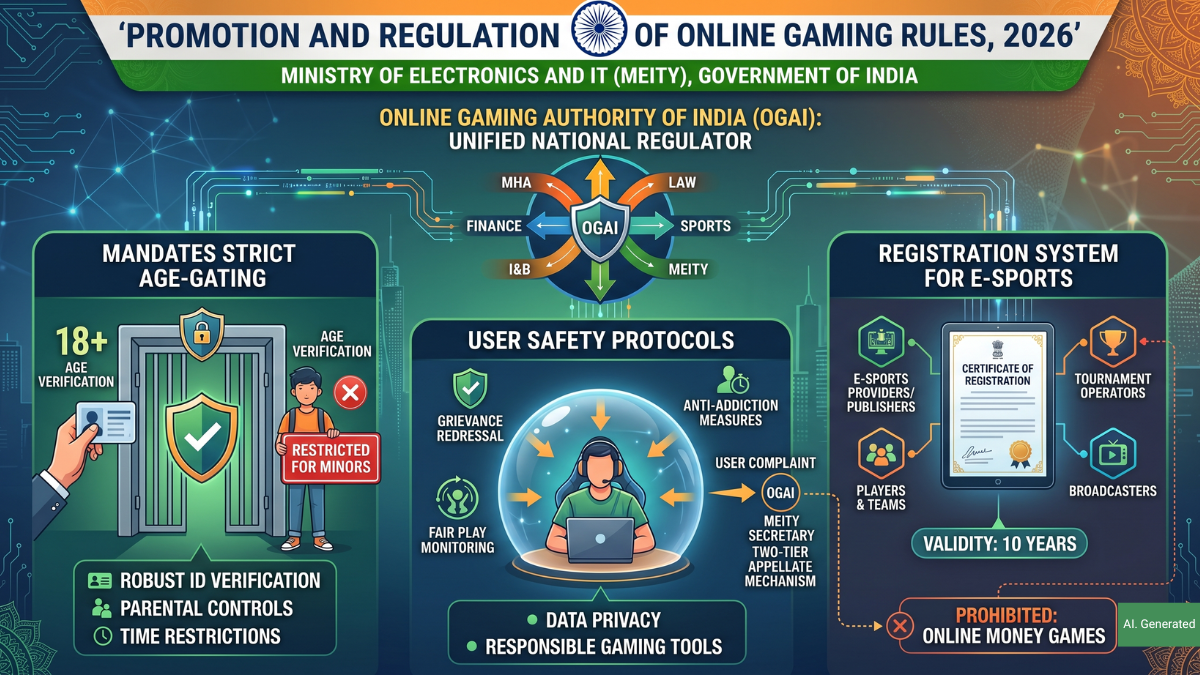
Starting May 1, 2026, the way you play online in India is getting a massive structural overhaul. The Ministry of Electronics and IT (MeitY) has finalized the “PROG Rules”, which effectively draw a hard line between skill-based e-sports and the “money games” that have caused financial distress across the country. If a game involves betting or stakes for monetary winnings, it is officially out.
The new Online Gaming Authority of India, based in Delhi, will act as the digital-first referee for the sector. For players, this isn’t just about bans; it’s about better features. Expect mandatory age-verification, strict time restrictions and parental controls to become the norm for all registered games. If you’ve ever been frustrated by a platform’s lack of support, there’s now a two-tier grievance system where you can take your complaints straight to MeitY if a developer ignores you. Unlike the previous fragmented state-wise regulations that led to confusion for apps like Dream11 or MPL, this central framework aims to provide total regulatory clarity for the entire Indian gaming community.
The Snapshot
| Feature | Details |
| Regulator | Online Gaming Authority of India (Delhi) |
| Effective Date | May 1, 2026 |
| What Changes | Mandatory classification of money games vs. e-sports |
| Who it Affects | Indian gamers, e-sports athletes, and app providers |
| Key Safety Tools | Age-gating, time limits, and parental controls |
| Appellate Body | Secretary, MeitY |
The Big Picture
ⓘ Sponsored: Unbox Daily HQ earns a commission if you buy through these links, at no extra cost to you. Prices shown are subject to change, and the actual price on Amazon at the time of purchase may vary from what is displayed here.
Globally, gaming regulation is moving toward protecting vulnerable users from addictive mechanics, similar to the EU’s recent crackdown on loot boxes. In India, this move directly targets the gray area occupied by “real money gaming” (RMG) apps that often masquerade as games of skill. While established e-sports publishers like Krafton India or Nazara stand to benefit from the legitimacy of being registered, smaller RMG operators will face intense scrutiny. This shift marks India’s transition from a “Wild West” market to a regulated ecosystem, prioritizing social safety over raw industry revenue.
The UDHQ. Take
This is a necessary, if aggressive, intervention in an industry that has operated in a legal vacuum for far too long. For the average Indian gamer, it’s a win: you get legitimate e-sports recognition and baked-in safety tools that should have been standard years ago. However, the “money game” definition remains the elephant in the room. If the new Authority is too rigid, we might see a dip in the variety of competitive games available in India. But for parents and casual players, the inclusion of mandatory age-verification and time limits is a massive relief. It’s a clear signal that the government wants India to be a global gaming hub, but only on its own terms. It’s about time we stopped treating gambling-lite apps and professional e-sports as the same thing.
Best for: Competitive e-sports players and Indian parents looking for a safer, regulated digital environment for their children.
Who Is This For: Perfect for: 18–35 year old gamers and concerned parents in India seeking clear rules on what is legal to play.
The Checkout
Online Gaming Authority of India
The Source
Ministry of Electronics and Information Technology (MeitY)