Thursday, May 28, 2026 |Navi Mumbai
--:-- | --°C | AQI --
If it's not on Unbox Daily HQ, it's not a Launch. Every product, policy and brand launch in India. One hub. What's new?
The certification sets strict thermal boundaries for data centre gear but shifts actual deployment liability entirely onto the site builder
The Takeaway
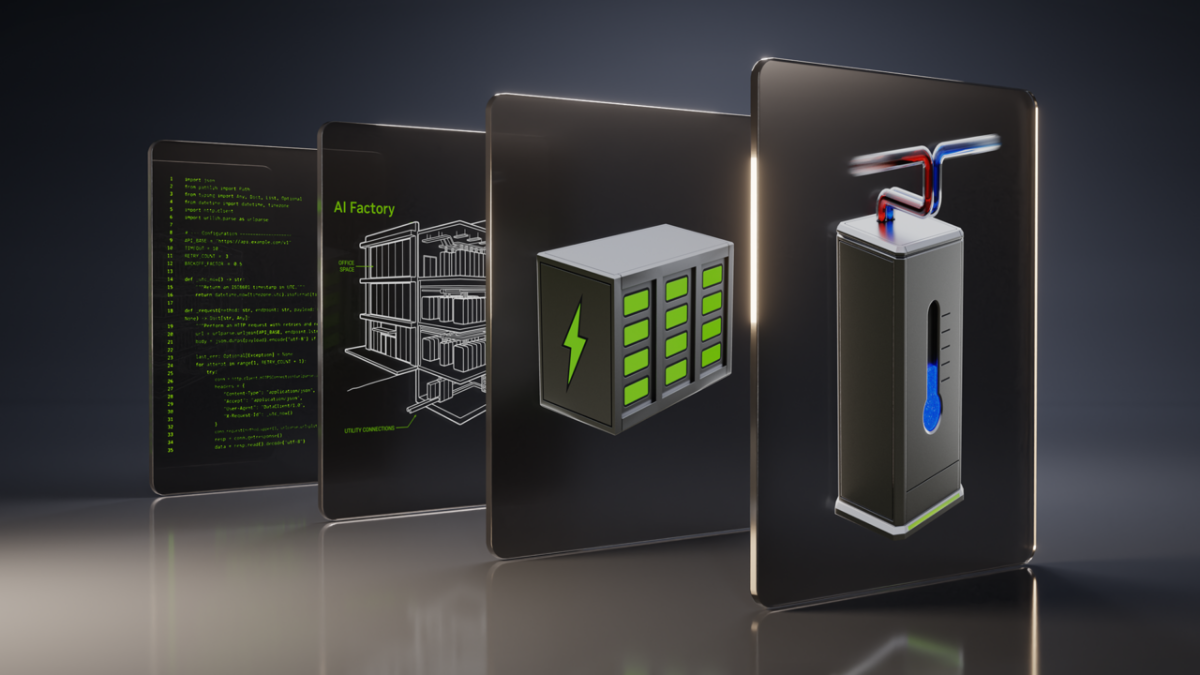
NVIDIA initiates a new infrastructure qualification system for enterprise data centres. This tier vets the massive cooling distribution units and battery blocks required to run high-density compute clusters. The initial certification roster includes Hitachi Energy alongside LG Energy Solution and Tesla for energy storage. The cooling segment qualifies equipment from LG Electronics, Vertiv, and LiquidStack.
Gigawatt-scale AI factories cannot run on standard server room electrical grids. A qualified 2.5-megawatt battery block from LG Energy Solution does much more than provide backup power during an outage. The hardware must intercept the electrical feed to provide active power conditioning, which involves mandatory artificial intelligence load smoothing alongside voltage ride-through capabilities. These physical intercepts prevent graphics processing units from throttling down during the massive electrical spikes inherent to heavy training workloads.
The true differentiator here is the boundary of corporate liability. NVIDIA claims this programme reduces integration risk; we could not independently verify this claim. If a qualified LiquidStack cooling unit leaks onto a server rack in month three, the hardware replacement burden falls entirely on the local system integrator. The original equipment manufacturer handles the service level agreement. Passing this baseline qualification does not replace site-level engineering, nor does it guarantee operational stability. The brand effectively guarantees the architecture on paper while leaving the massive financial risk of physical integration to the facility operator.
Initial qualified DSX Ready infrastructure tiers
| Category | Qualified Vendors | Key Functional Requirement |
| Battery Energy Storage | Hitachi Energy, LG Energy, Tesla | Voltage ride-through |
| Cooling Distribution | LG Electronics, LiquidStack, Vertiv | Fluid dynamic compliance |
This programme represents a fundamental supply-chain standardisation play. By qualifying the physical power blocks to exclusively serve the DSX reference design, the company ensures that the physical facility itself becomes hard-wired for their specific architecture. This lock-in subtly increases the capital expenditure required to eventually deploy rival compute hardware in the exact same room. A cooling unit might perfectly meet the required thermal dissipation metrics on paper. If the local facility lacks the structural floor load capacity to support the required battery blocks, the qualification badge provides zero value. While High-end PC gaming arrives on budget laptops for ₹999 reshapes consumer access, enterprise infrastructure demands structural commitment.
ⓘ Sponsored: Unbox Daily HQ earns a commission if you buy through these links, at no extra cost to you. Prices shown are subject to change, and the actual price on Amazon at the time of purchase may vary from what is displayed here.
The requirement for voltage ride-through is genuinely critical for Indian deployments. Local grids routinely suffer from micro-fluctuations that will instantly stall high-density training clusters without active conditioning. However, the cooling reality is far more complex. The brand claims these qualified cooling distribution units are ready for deployment; we could not independently verify this durability claim for extreme Indian weather. The certification confirms a unit rejects heat under controlled specifications. Our peak summers frequently exceed 45 degrees Celsius, destroying the thermal differences necessary for efficient heat rejection. The destructive impact of hard water on liquid-cooling loops in local facilities remains completely untested by this baseline standard.
The Unboxed Truth
You are looking at a brilliant capital lock-in disguised as a helpful baseline standard. Unbox Daily HQ recognises that certifying the plumbing and batteries makes deploying these specific chips faster. You will still carry the entirety of the physical hardware risk long after the launch fanfare fades. If a pump fails or a battery degrades prematurely, the DSX Ready badge will not pay for the damage.
Best for:
Enterprise data centre architects and facility operators (30-55 years)
Courtesy: NVIDIA
NVIDIA has set no official global price for DSX Ready hardware, as the programme qualifies third-party infrastructure rather than selling direct units. Certified battery and cooling systems are supplied individually by partner vendors including Tesla, Vertiv, and LG. Indian facility operators must purchase these qualified components directly to handle local grid demands.
NVIDIA DSX Ready differs from typical data centre standards by enforcing active power conditioning and strict fluid dynamics while shifting integration liability onto builders. The certification mandates voltage ride-through to stop processor throttling, yet excludes site-level operational stability guarantees. This boundary places full financial accountability on Indian operators during harsh summer heatwaves.
NVIDIA DSX Ready infrastructure is worth adopting only for enterprise data centre architects and facility operators who require rapid cluster deployment. The programme accelerates installation of high-density graphics chips, but buyers must accept full responsibility for hardware failures. Indian operators especially must conduct independent engineering to survive severe grid fluctuations and heat.