Thursday, May 28, 2026 |Navi Mumbai
--:-- | --°C | AQI --
If it's not on Unbox Daily HQ, it's not a Launch. Every product, policy and brand launch in India. One hub. What's new?
The Bureau of Indian Standards has set new quality rules for crutches, ramps, and braille signage across India.
The Essentials
The Pulse
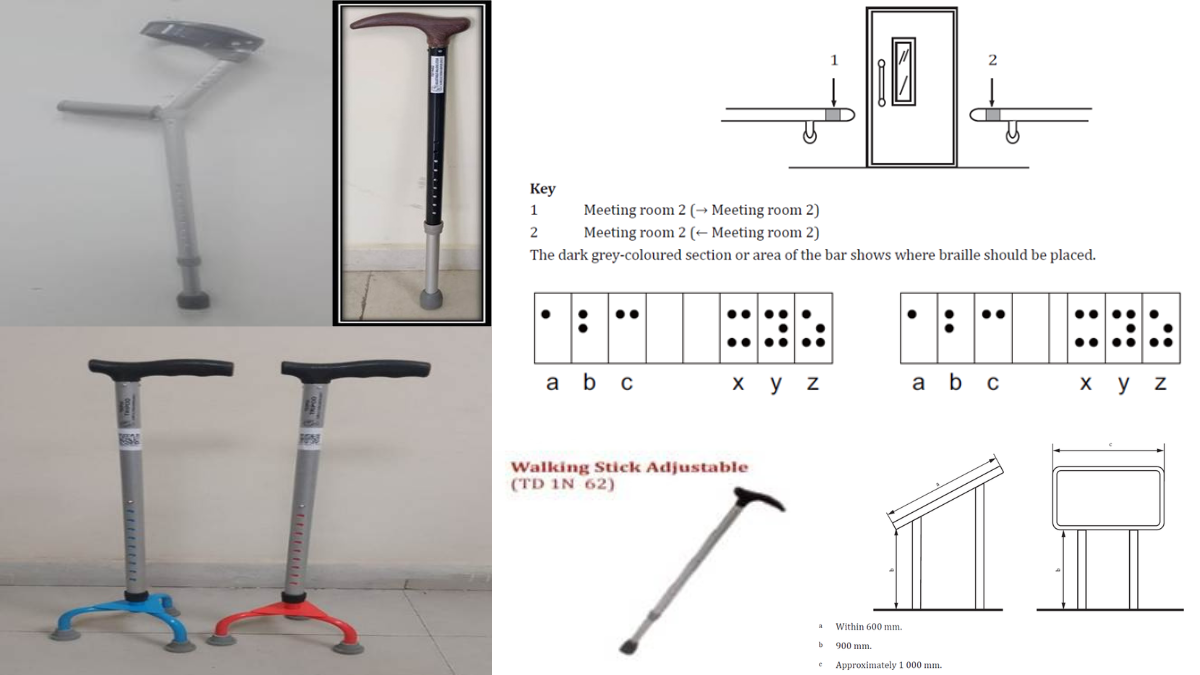
The Bureau of Indian Standards (BIS) has published six new national standards for essential assistive products to improve accessibility across India. This move is a central part of the National List of Essential Assistive Products (NLEAP) initiative, which focuses on providing high-quality aids for those who need them most. The new rules cover everyday items such as walking sticks and elbow crutches, as well as structural aids like portable ramps.
What are the new BIS standards for assistive products in India? These guidelines focus on safety, ergonomics, and the finish of the products, ensuring they are fit for long-term use. The standards also introduce specific requirements for tactile guide maps and the application of braille on signage. This helps visually impaired individuals navigate public buildings, parks, and transport hubs with much greater confidence and independence.
By aligning these indigenous standards with international ISO benchmarks, Indian manufacturers are now better positioned to compete globally. This effort supports the Accessible India Campaign (Sugamya Bharat Abhiyaan) to create a barrier-free environment for everyone. These changes mean that whether you are buying a walking stick or installing a ramp, there is now a verified mark of quality to look for.
The Snapshot
ⓘ Sponsored: Unbox Daily HQ earns a commission if you buy through these links, at no extra cost to you. Prices shown are subject to change, and the actual price on Amazon at the time of purchase may vary from what is displayed here.
| Row | Details |
| Initiative | National List of Essential Assistive Products (NLEAP) |
| Governing Body | Bureau of Indian Standards (BIS) |
| New Standards | Six (including Crutches, Ramps, and Braille Signage) |
| Primary Focus | Safety, Ergonomics, and Information Display |
| India Availability | Published and effective across India |
The Big Picture
India is witnessing a significant shift towards universal accessibility as the need for rehabilitation services and elderly care grows. These new standards bridge the gap between local manufacturing and global quality expectations, challenging the presence of unorganised, sub-standard products in the market. By following these benchmarks, Indian brands can now better compete with international alternatives from global medical equipment firms. This move strengthens the Accessible India Campaign, ensuring that public infrastructure and personal mobility aids are no longer an afterthought but a standardised right for every citizen.
The Inside Intel
Did you know that the “Jaipur Foot” organisation, BMVSS, played a key role in forming these standards? Along with technical experts from AIIMS New Delhi and the Indian Council of Medical Research (ICMR), they ensured that the requirements focus on the actual needs of users. This collaboration between government bodies and social organisations ensures that the safety rules for walking sticks and crutches are practical and built for real-world Indian conditions.
The UDHQ. Take
Unbox Daily HQ. believes this is a vital step toward a more dignified and inclusive India. For too long, the assistive technology market has been flooded with low-quality imports or flimsy local products that lack proper ergonomic support. These new BIS standards change that by holding manufacturers accountable for the finish and workmanship of essential tools like crutches and ramps.
If you are looking for mobility aids, checking for these specific IS certifications is now a must. It is a win for the Accessible India Campaign and a clear signal that Indian-made products are ready for the world stage. While the impact on final retail pricing remains to be seen, the improvement in safety and reliability is worth the investment.
Best for: Indian families and caregivers who need reliable, high-quality mobility aids for the elderly or persons with disabilities.
Who Is This For: Perfect for 18–55 year old caregivers in urban and rural India who are purchasing walking aids or advocating for better public accessibility.
The Checkout
The Source
Bureau of Indian Standards | PIB.GOV.
Yes, the Bureau of Indian Standards has officially published these national benchmarks for mobility aids and accessible designs. They are now effective across India to regulate the quality of locally manufactured items like elbow crutches and walking sticks.
These guidelines focus on safety, ergonomics, and the durability of essential aids like portable ramps and walking sticks. They ensure that equipment is fit for purpose while also providing clear standards for braille signage to help individuals navigate public areas with confidence.
Yes, checking for these specific IS certifications ensures that the mobility aid meets verified safety and performance requirements. It helps you avoid low-quality or flimsy products that may lack the proper ergonomic support needed for long-term independence.