Thursday, May 28, 2026 |Navi Mumbai
--:-- | --°C | AQI --
If it's not on Unbox Daily HQ, it's not a Launch. Every product, policy and brand launch in India. One hub. What's new?
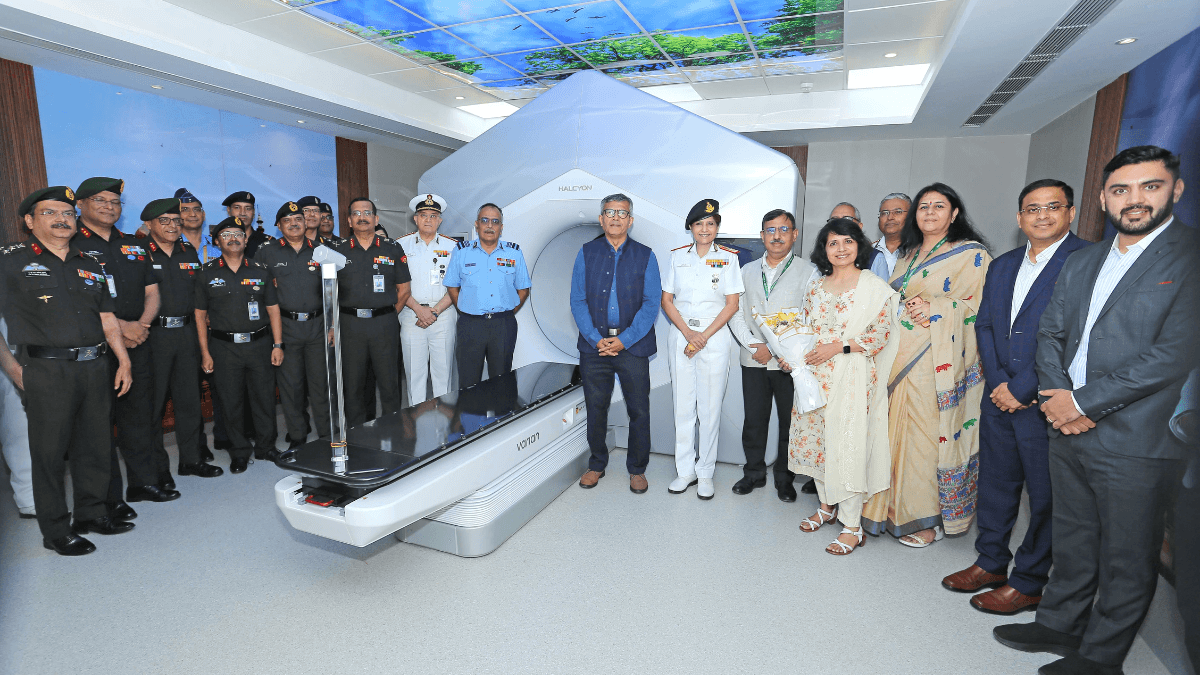
The new Linear Accelerator offers targeted therapies like VMAT and SBRT to hit tumours while sparing healthy tissue.

The Essentials
The Pulse
Delhi’s Army Hospital (R&R) has added a Ring Gantry-based Linear Accelerator to its Department of Radiation Oncology. This specific procurement marks a major shift in how the Armed Forces Medical Services addresses complex cancer care for serving personnel, veterans, and their dependents. The equipment handles a heavy patient load directly within the hospital, boosting internal treatment capacity significantly.
For those wondering how a ring gantry system alters patient care, the answer lies in its extreme targeting precision. The machine delivers complex modern radiotherapy techniques like Volumetric Modulated Arc Therapy and Stereotactic Body Radiation Therapy. By targeting tumour sites precisely, it minimises radiation exposure to the surrounding normal tissues, which directly improves overall treatment recovery outcomes.
Defence Secretary Shri Rajesh Kumar Singh presided over the commissioning event on May 25, 2026. Senior medical officials, including DG AFMS Surgeon Vice Admiral Arti Sarin and Commandant Lieutenant General Avinash Das, finalised the induction. This collective oversight emphasises the institutional priority placed on modernising the military’s specialised oncology services.
The Snapshot
ⓘ Sponsored: Unbox Daily HQ earns a commission if you buy through these links, at no extra cost to you. Prices shown are subject to change, and the actual price on Amazon at the time of purchase may vary from what is displayed here.
| Specification | Details |
| Equipment | Ring Gantry-based Linear Accelerator |
| Location | Army Hospital (R&R), Delhi |
| Commission Date | May 25, 2026 |
| Supported Therapies | VMAT, IMRT, IGRT, SBRT, Stereotactic Radiosurgery |
| Patient Access | Serving personnel, veterans, and dependents |
| Upgrade Strategy | Part of phased AFMS oncology modernisation |
The Big Picture
Upgrading linear accelerators in public and military facilities is highly necessary given the growing oncology case burden across India. Major public institutions like Tata Memorial Hospital constantly face severe capacity constraints for advanced targeted therapies. By modernising military oncology services, the armed forces healthcare network handles a larger portion of its patient load internally rather than relying on external references. Transitioning to ring gantry systems allows these high-volume centres to treat individuals efficiently while maintaining the extreme precision required for complex tumour targeting.
The India Prospective
The upgrade impacts military healthcare infrastructure well beyond the capital. Because the Armed Forces Medical Services is modernising its oncology centres in a phased manner, eligible families nationwide will eventually gain similar access. This phased rollout ensures that advanced treatment techniques do not remain restricted to a single metro city, directly utilising the existing pan-India network to support defence personnel and veterans closer to their home stations.
The Inside Intel
Integrating this ring gantry system required a complete clean slate at the Department of Radiation Oncology. The installation was not an add-on to existing machinery; instead, the previous equipment was entirely decommissioned to make way for the upgrade. This complete transition marks the absolute retirement of older hardware within the facility to ensure the new installation entirely anchors the department’s high patient load moving forward.
The Unboxed Truth
Unbox Daily HQ. views this as an essential medical facility upgrade rather than a retail service. For armed forces families relying on military healthcare, accessing this level of care at no commercial cost is a massive relief compared to expensive private hospitals. The sheer precision of treatments like volumetric modulated arc therapy makes this a critical asset for complex oncology cases. This upgrade ensures military personnel receive capable cancer treatment without facing the financial burden of private care.
Best for: Military veterans and their dependents in the capital region who require targeted radiation therapy
Who Is This For: Perfect for 18 to 80-year-old serving personnel or dependents in the military healthcare system who need advanced oncology treatment
The Checkout
The Source
Ministry of Defence | PIB.GOV.
The advanced medical equipment is strictly reserved for serving military personnel, veterans, and their dependents. It is deployed exclusively within the internal healthcare system of the Armed Forces Medical Services. Therefore, it is not accessible to the general public or civil patients in India.
The machine delivers highly targeted therapies like Volumetric Modulated Arc Therapy and Stereotactic Radiosurgery with extreme precision. Unlike older decommissioned equipment, it concentrates radiation directly onto the tumour sites. This method significantly reduces radiation exposure to the surrounding normal tissues, which improves overall patient care and recovery.
This advanced radiotherapy system is designed specifically for eligible individuals within the military healthcare framework who require complex cancer care. This group includes serving defence personnel, military veterans, and their direct dependents. The facility provides these advanced targeted treatments directly to handle the significant internal patient load of the hospital.