Thursday, May 28, 2026 |Navi Mumbai
--:-- | --°C | AQI --
If it's not on Unbox Daily HQ, it's not a Launch. Every product, policy and brand launch in India. One hub. What's new?
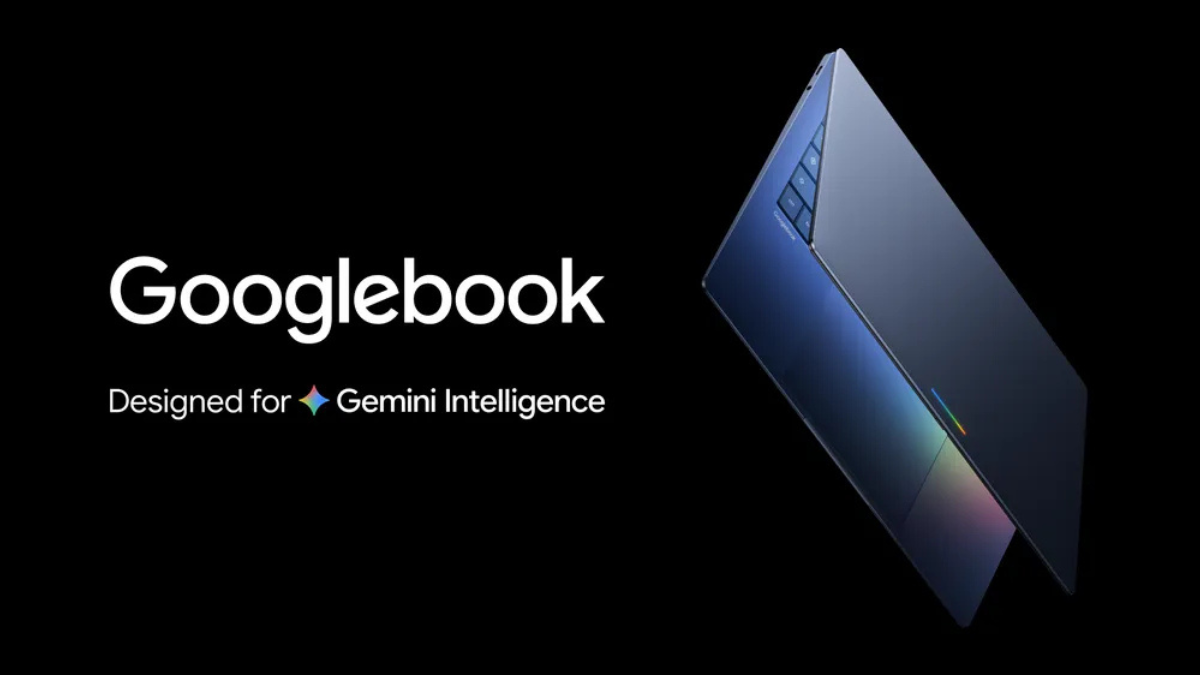
These premium laptops combine Android apps with Gemini AI to change how you work on a big screen.
The Essentials
The Pulse
The most significant change to these machines isn’t the processor, but the cursor itself. Most of us haven’t seen a cursor update since the right-click was added, but the Magic Pointer on these laptops’ changes based on what you are looking at. If you point at a date in an email, Gemini offers to organise the meeting immediately, or you can select a furniture image to see how it looks in your living room.
While we have a sneak peek today, the first devices arrive in global markets in late 2026, though India-specific launch dates are not yet confirmed. It is a significant move for anyone tired of the friction between their Android phone and their computer. You can use mobile apps directly on the larger screen or pull files from your handset via Quick Access without any manual transfers.
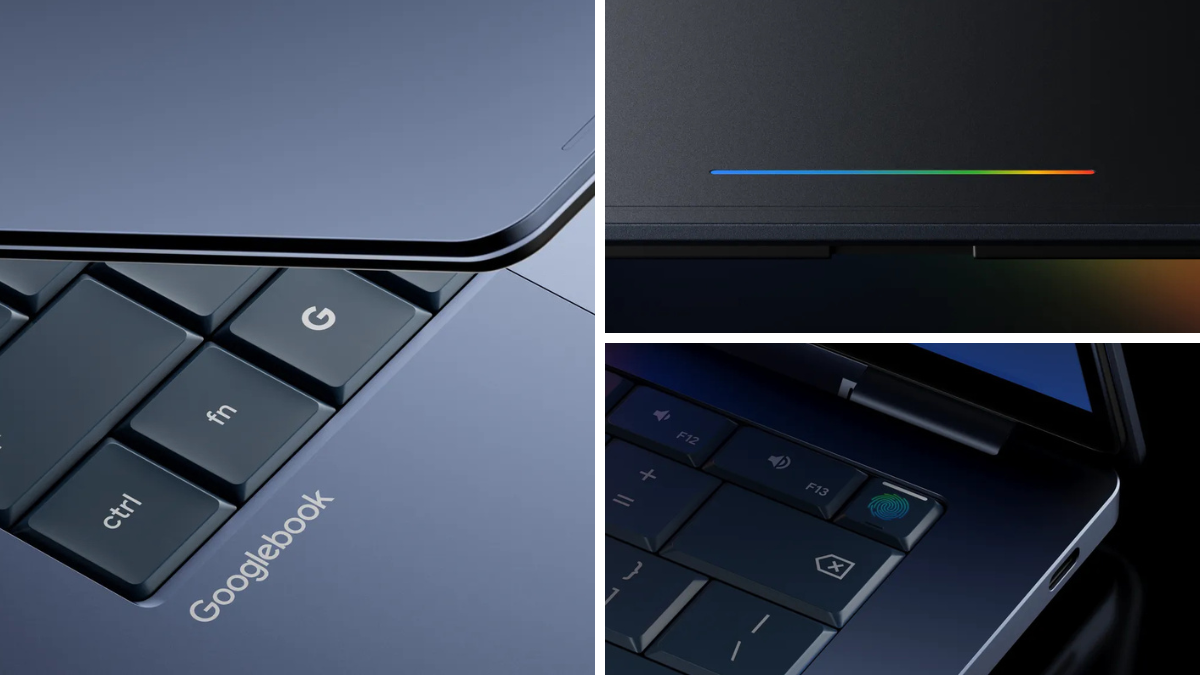
The personalisation goes further with desktop widgets that you create by simply typing a prompt. Gemini can pull data from your Gmail and Calendar to build a single dashboard for a specific event, like a family reunion. Every machine will also feature a unique glowbar on the lid, ensuring these look distinct from the sea of silver laptops in a Mumbai office.
The Snapshot
ⓘ Sponsored: Unbox Daily HQ earns a commission if you buy through these links, at no extra cost to you. Prices shown are subject to change, and the actual price on Amazon at the time of purchase may vary from what is displayed here.
| Feature | Specification |
| Model | Googlebook |
| Primary AI | Gemini Intelligence |
| Hardware Partners | Acer, ASUS, Dell, HP, Lenovo |
| Key Features | Magic Pointer, Create your Widget, Quick Access |
| OS Foundation | Android and ChromeOS integration |
| Visual ID | Functional Glowbar lid |
| Global Release | Late 2026 |
| India Price | Price not yet confirmed |
| Availability | Global launch – India: Not yet confirmed |
The Big Picture
This is a direct shot at the AI PC trend currently dominated by Microsoft’s Copilot+ laptops. While Windows is the default choice for most professionals in Bengaluru, Google is betting that your attachment to your Android phone is stronger than your loyalty to a traditional operating system. If they can make mobile apps feel native on a laptop screen, they might finally crack the Indian market where Chromebooks previously struggled to move beyond the classroom. They are competing directly with the Apple MacBook Air for the attention of users who want their devices to talk to each other without any lag.
The India Prospective
While we wait for local pricing, the choice of partners like Dell, HP, and Lenovo is good news for Indian buyers. These brands have the most extensive service networks in India, reaching far beyond the four metro cities into tier-2 and tier-3 towns. This means that unlike niche imports, a Googlebook will likely be easy to repair or service at a local centre. If these arrive at a price point similar to mid-range Windows laptops, they could become a viable alternative for students and mobile-first professionals who already rely on the Google ecosystem for work.
The Inside Intel
The Magic Pointer was developed in collaboration with the Google DeepMind team. This ensures the AI isn’t just guessing what you want but is actually processing the context of your screen in real-time. It is a rare instance of Google’s top-tier research labs building a feature specifically for consumer hardware rather than just cloud-based software. This makes the laptop feel more like a collaborator than a simple tool.
The Unboxed Truth
Unbox Daily HQ. believes this is the first real reason for an Android power user to consider switching away from Windows. If you find yourself constantly reaching for your phone to check food delivery apps or language lessons while working, the deep integration here is worth the wait. While we do not have a price yet, these are premium machines, so do not expect budget tags. If and when this reaches India, expect pricing around ₹85,000, worth tracking for mobile-first professionals. This is a serious attempt to make a laptop that actually understands how we use our phones.
Best for: A mobile-first professional who wants their laptop to work as intuitively as their Android smartphone.
Who Is This For: Perfect for 25 to 40-year-old working professionals in urban hubs who need a primary machine that natively handles mobile apps and proactive AI help.
The Checkout
The Source
Google Global
The official India price for Googlebook has not yet been confirmed. While these laptops are scheduled to arrive in global markets in late 2026, specific pricing and release dates for the Indian market are still awaited.
Unlike Windows machines, Googlebook is built on an Android tech stack that allows mobile apps to run natively on your desktop screen. It also features a Magic Pointer that uses Gemini AI to provide proactive suggestions as you move your cursor, which is a different approach to AI than Microsoft’s Copilot.
This laptop is ideal for urban professionals who heavily use the Google ecosystem and want a computer that works as intuitively as their smartphone. It is specifically worth tracking for those who frequently switch between their phone and PC to use mobile-only apps or access files.