Thursday, May 28, 2026 |Navi Mumbai
--:-- | --°C | AQI --
If it's not on Unbox Daily HQ, it's not a Launch. Every product, policy and brand launch in India. One hub. What's new?
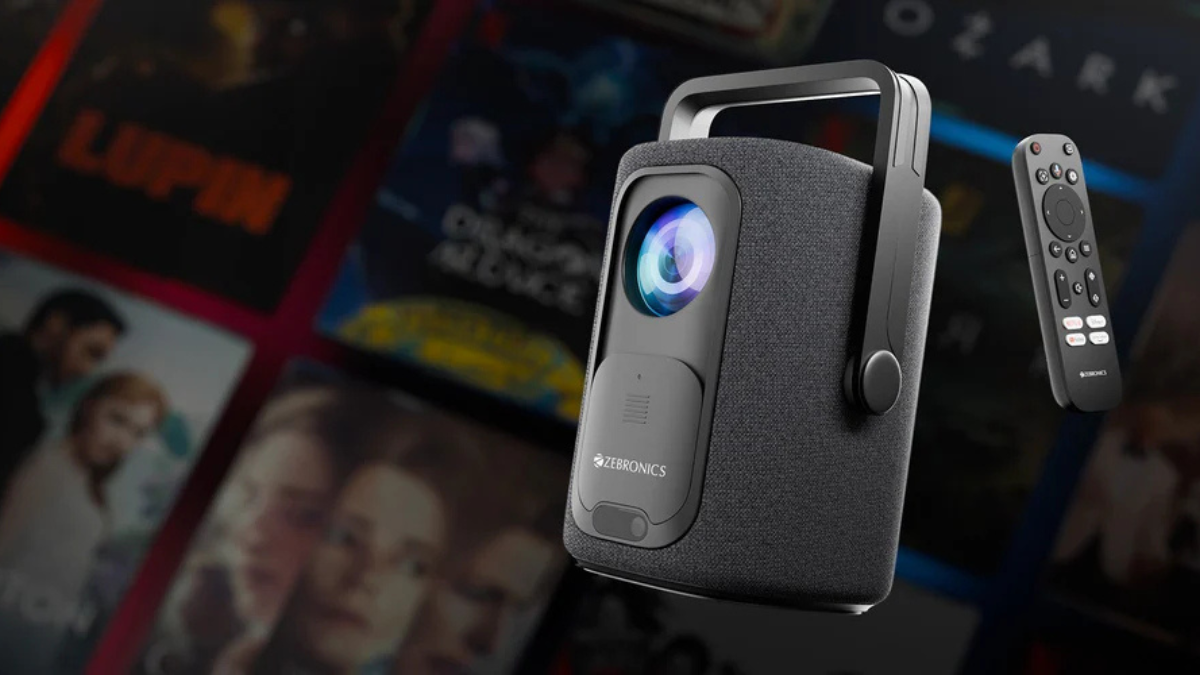
Experience a 200-inch cinema vibe with Zebronics ZEB-PixaPlay 77G. Featuring Google TV and 7500 lumens, it’s a smart, bright home theatre upgrade.
The Essentials
The Pulse
The Indian home entertainment market is shifting from traditional televisions to versatile, “theatre-at-home” experiences. Zebronics is tapping into this trend with the ZEB-PixaPlay 77G. This isn’t just a basic projector; it’s a high-brightness powerhouse boasting 7500 lumens. In the world of projectors, brightness is king, and this level of luminosity ensures that you don’t need a pitch-black cave to enjoy a movie.
What makes the 77G stand out is the Google TV integration. Most budget projectors rely on clunky, third-party Android skins, but Google TV offers a refined, fluid interface with personalized recommendations. Connectivity is equally robust, featuring Dual-band Wi-Fi for buffer-free streaming and Bluetooth 5.0 for wireless audio. With HDMI (ARC) support, it’s designed to play nice with your existing soundbars. Zebronics has packaged this “Premium for Masses” philosophy into a sleek unit that replaces the need for expensive, bulky 75-inch TVs.
The Snapshot
| Feature | Specification |
| Model | Zebronics ZEB-PixaPlay 77G |
| Native Resolution | 1920 x 1080 Full HD (4K Support) |
| Brightness | 7500 Lumens |
| Max Screen Size | 200 Inches (508 cm) |
| Operating System | Google TV |
| Wireless Tech | Dual-band Wi-Fi & Bluetooth 5.0 |
| Ports | HDMI (ARC), USB, AUX, 3.5mm Jack |
| Smart Features | Auto Focus & Auto Keystone |
The Big Picture
ⓘ Sponsored: Unbox Daily HQ earns a commission if you buy through these links, at no extra cost to you. Prices shown are subject to change, and the actual price on Amazon at the time of purchase may vary from what is displayed here.
Globally, the “Lifestyle Projector” segment is exploding as Gen Z and Millennials opt for portable, high-impact visuals over static TV sets. In India, the competition is stiff with brands like Portronics and ViewSonic fighting for space. However, Zebronics holds a unique advantage by offering Google TV at a sub-20k price point; a feature usually reserved for premium models. As streaming dominates Indian households, a device that combines high brightness with a native smart OS is a massive threat to the mid-range TV market.
The Inside Intel
Zebronics has been a household name in India for 27 years. While many know them for computer mice and keyboards, they were one of the first Indian brands to democratize high-wattage soundbars and DJ speakers, a design DNA they have now brought into their PixaPlay projector series.
The Unboxed Truth
At Unbox Daily HQ, we see a lot of tech that promises the world but fails on usability. The Zebronics ZEB-PixaPlay 77G actually solves a real problem: the “setup fatigue”. Most affordable projectors require constant manual fiddling with the lens and angle. By including Auto Focus and Auto Keystone at ₹17,999, Zebronics has made the “Big Screen” lifestyle accessible to people who aren’t tech experts.
The value here is incredible. You are essentially getting a 200-inch smart screen for the price of a budget 32-inch LED TV. Whether you are a gamer wanting an immersive setup or a family looking for movie nights, this product brings a level of scale to your home that a traditional TV simply cannot match. It’s a versatile, future-proof investment for anyone looking to transform their bedroom or living room into a private multiplex.
The Checkout
Zebronics ZEB-PixaPlay 77G on Flipkart
The Source
Zebronics