Thursday, May 28, 2026 |Navi Mumbai
--:-- | --°C | AQI --
If it's not on Unbox Daily HQ, it's not a Launch. Every product, policy and brand launch in India. One hub. What's new?
The new screenless device prioritises continuous wear, but early pricing details and repair pathways remain murky.
The Takeaway
Google Fitbit is preparing to bring the Fitbit Air, a screen-less fitness and health tracker, to India. Unlike a conventional smartwatch or fitness band, the device does not have a display. Instead, it continuously collects health and activity data and sends the information to the companion Fitbit application.
The screen-less approach is designed to keep the tracker lightweight and unobtrusive, particularly during sleep. Users cannot view their health statistics directly from their wrist and must use the companion smartphone application to review the collected information.
Screen-less design puts the focus on continuous tracking
The Fitbit Air is built around a simple idea: remove the screen and make the tracker easier to wear continuously.
The tracker module weighs 5.2 grams, according to the reports. It uses an optical photoplethysmography (PPG) sensor for heart-rate monitoring, while red and infrared sensors are used for blood-oxygen tracking.
ⓘ Sponsored: Unbox Daily HQ earns a commission if you buy through these links, at no extra cost to you. Prices shown are subject to change, and the actual price on Amazon at the time of purchase may vary from what is displayed here.
Without a display, the device does not provide the usual smartwatch-style notifications, menus or on-device health dashboards. Instead, the phone application becomes the primary interface for reviewing the collected information.
That could make the tracker particularly appealing to users who want health and sleep tracking without wearing a conventional smartwatch overnight.
No built-in GPS
The Fitbit Air does not have onboard GPS. For outdoor activities that require location tracking, the device relies on the connected smartphone’s GPS. This means users who want GPS-based activity mapping will need to carry their phone with them rather than relying on the tracker alone.
Dual-device pairing adds flexibility
Another feature highlighted in the supplied material is dual pairing. The Fitbit Air can reportedly be connected to the same account alongside a Pixel Watch, allowing users to have both devices associated with their account.
The system is designed to manage data collected from different devices and prevent duplicate activity records when users switch between them.
Fitbit Air verified specifications
| Feature | Specification |
| Weight | 5.2g (tracker only) |
| Connectivity | Phone GPS only (no onboard GPS) |
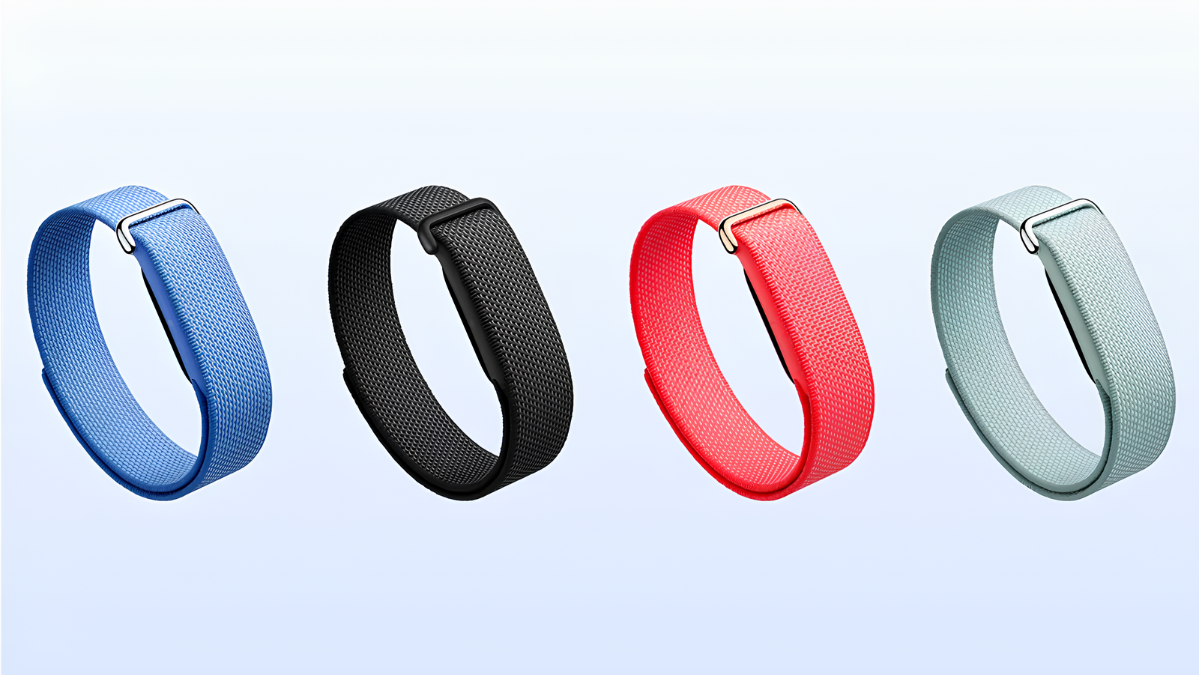
| Standard bands | Obsidian, Lavender, Fog, Rye |
| Special edition | Pokémon Sleep (custom textile band) |
| Availability | Flipkart (Amazon listings are unauthorised) |
India launch follows international rollout
According to the reports, Google released the Fitbit Air in the US, UK and Europe in May 2026, while India was not included in the initial rollout.
The India launch will therefore expand the availability of the screen-less tracker to another major market.
The supplied material also references an earlier international evaluation of the hardware, focusing on whether removing the display can make a tracker more suitable for sleep and continuous wear.
Fitbit Air vs Whoop 4.0
The screen-less design puts the Fitbit Air into competition with other display-free fitness trackers, including the Whoop 4.0.
The Fitbit Air’s reported US price is $99.99, while the Indian standard model is reportedly expected to cost ₹13,999.
However, the overall ownership cost is not determined by hardware pricing alone. Fitbit’s software and subscription structure can also affect which features users can access over time.
Subscription could become an important factor
The Fitbit Air is closely tied to the Fitbit companion application, making the software experience an important part of the product.
The supplied information states that a three-month premium trial is included, after which some coaching and advanced metrics may require a paid subscription.
That means buyers should consider the ongoing software cost alongside the initial hardware price.
Battery life and water resistance
Google Fitbit is reported to claim up to seven days of battery life and 5ATM water resistance for the tracker. Battery performance can also vary depending on factors such as Bluetooth syncing frequency and usage patterns.
What about the bands and charging system?
The Fitbit Air reportedly uses a proprietary attachment mechanism rather than conventional spring bars. This means replacement bands would need to be sourced through the compatible Fitbit ecosystem rather than using generic standard watch straps.
The device also uses a proprietary magnetic charging system. Similarly, textile bands can require regular cleaning in hot and humid conditions, but the extent of any skin-irritation risk depends on individual use and hygiene.
Age restrictions for Fitbit’s software
The supplied information states that users must be at least 13 years old to use the wristband, while certain AI-powered features in the Fitbit application require users to be 18 or older.
The Unboxed Truth
The Fitbit Air takes a different approach to wearable technology by removing the screen completely.
That can be a genuine advantage for people who want a lightweight tracker that stays out of the way, particularly during sleep. At the same time, the lack of a display means every piece of data has to be checked through the companion smartphone application.
The bigger question is the long-term software experience.
If advanced coaching and health insights remain tied to Fitbit Premium after the initial trial, buyers need to consider the subscription cost alongside the ₹13,999 reported hardware price. The tracker itself may be comfortable and capable, but its long-term usefulness will depend heavily on how much functionality Google keeps available without a subscription.
For someone who dislikes wearing a bulky smartwatch to bed, the screen-less approach could make sense. For buyers who want on-device information, built-in GPS or a completely subscription-free experience, the Fitbit Air’s design has more obvious limitations.
Who Is This For: Fitness enthusiasts and sleep-focused users who prefer a lightweight, screen-free wearable over a conventional smartwatch.
Courtesy: Google Fitbit
Pre-orders for the Google Fitbit Air are stated to begin in India on October 2 through Flipkart. The standard edition is reported to be priced at ₹13,999 in India. In the US, the tracker is listed at $99.99. It also comes with a Pokémon Sleep special edition, but its Indian pricing has not been officially disclosed.
The Google Fitbit Air and Whoop 4.0 share a key design idea: both focus on health and fitness tracking without relying on a conventional smartwatch display.
The Fitbit Air uses sensors to monitor metrics such as heart rate and blood oxygen, with the collected information reviewed through the companion smartphone application. It also reportedly supports dual pairing with a Pixel Watch, allowing both devices to be connected to the same account.
The Fitbit Air does not have built-in GPS, so outdoor GPS tracking relies on the connected smartphone.
The Fitbit Air’s appeal depends largely on how a buyer wants to use a wearable.
Its screen-less, lightweight design could suit people who want continuous sleep and fitness tracking without wearing a conventional smartwatch overnight. However, buyers should also consider the ongoing cost of Fitbit’s premium services after the included trial period.
The exact features that remain available without a subscription, and which coaching or health metrics require Fitbit Premium, should be checked against Google’s current terms before purchase.
For users who prioritise a lightweight, screen-free tracker, the Fitbit Air could be an interesting option. Those who want built-in GPS, on-device data or minimal reliance on subscription services may find its approach less suitable.