Thursday, May 28, 2026 |Navi Mumbai
--:-- | --°C | AQI --
If it's not on Unbox Daily HQ, it's not a Launch. Every product, policy and brand launch in India. One hub. What's new?
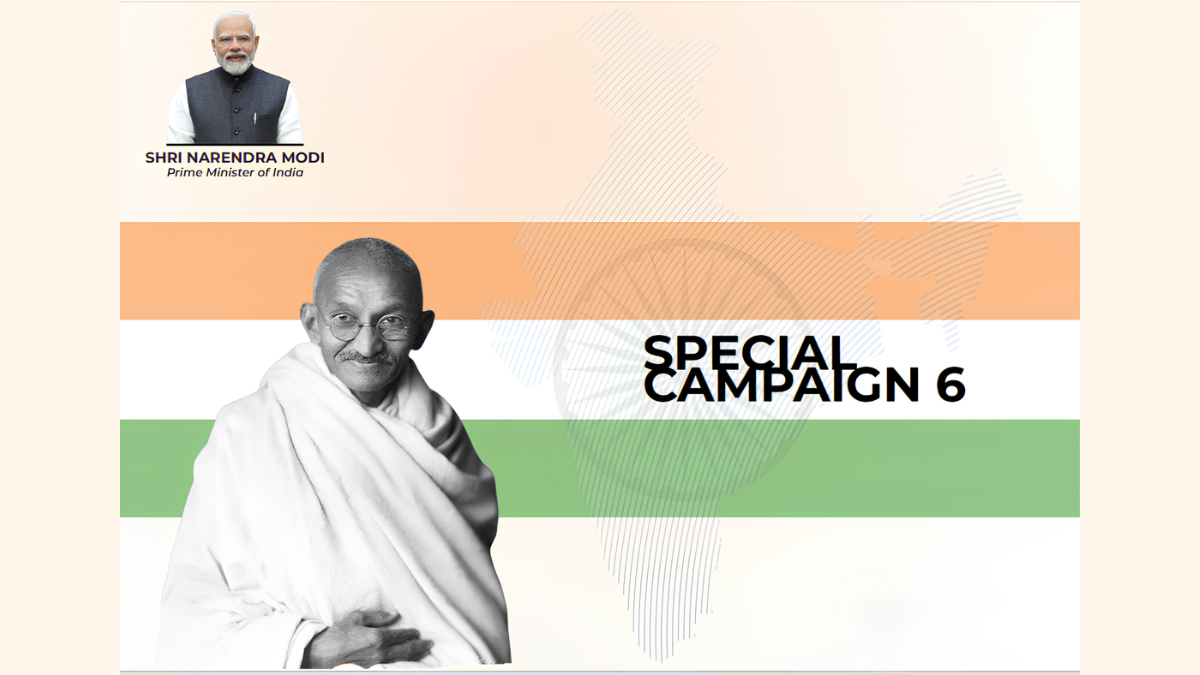
Special Campaign 6 aims to clear physical files and generate scrap revenue starting this September.
The Takeaway
Department of Administrative Reforms and Public Grievances leads this nationwide drive. Union Minister Dr. Jitendra Singh introduces the portal in a meeting attended by Secretaries from Posts, Coal, Education, and Mines. Preparatory work begins September 16. Implementation begins October 2, extending the work across all regional offices and overseas diplomatic missions.
Most government cleanup efforts clear routine paper files. Special Campaign 6 sets itself apart through a strict saturation approach focused on electronic scrap. Central departments must systematically collect and process obsolete electronic gear alongside general office records. The policy also explicitly weaves citizen-centric workplace standards into its monitoring framework.
Special Campaign 6 timeline and historical results
| Metric | Details |
| Cabinet Secretary letter date | 5th August 2026 |
| Detailed guidelines issued | 13th August 2026 |
| Historical sites covered since 2021 | Over 24.20 lakh locations |
| Files cleared since 2021 | Over 180.48 lakh records |
| Total scrap revenue since 2021 | Over ₹5,102.91 crore |
| Special Campaign 5 scrap revenue | Around ₹833.92 crore |
Upgrading public infrastructure requires continuous administrative maintenance. National efficiency drives mirror broader investments in technical capabilities, much like how the BIO-NIVESH biotech platform links startups to investors by pairing 20 deep-tech ventures with 50 private capital funds. Removing bureaucratic clutter helps field offices resolve citizen grievances faster.
The Unboxed Truth
ⓘ Sponsored: Unbox Daily HQ earns a commission if you buy through these links, at no extra cost to you. Prices shown are subject to change, and the actual price on Amazon at the time of purchase may vary from what is displayed here.
At Unbox Daily HQ, seeing public offices target dead weight directly offers a refreshing change in administrative policy. Special Campaign 6 forces real physical clearing across sprawling government departments. If you have ever waited in a cluttered government office, you know why space management matters. Converting forgotten electronic hardware into state revenue makes immediate practical sense.
Best for: Modernising administrative spaces and clearing obsolete technology.
Who Is This For: Indian citizens aged 20 to 45 who interact with public institutions.
Courtesy: Department of Administrative Reforms and Public Grievances
Special Campaign 6 runs its preparatory phase from 16th to 30th September 2026, with the main implementation running from 2nd to 31st October 2026. The initiative spans all 84 central government ministries, attached outstation offices, and Indian diplomatic missions abroad. Access to the newly launched tracking portal is completely free.
Special Campaign 6 distinguishes itself by applying a strict saturation approach that specifically prioritises electronic waste collection and disposal. Routine administrative cleanups focus broadly on clearing paper clutter, whereas this edition targets discarded hardware across central infrastructure. The policy also explicitly weaves citizen-centric workplace standards into its national tracking framework.
Special Campaign 6 is an effective administrative drive that converts obsolete electronic hardware into tangible state scrap revenue while modernising government workspaces. It clears bureaucratic dead weight to help field offices resolve public grievances much faster. This initiative is best for Indian citizens aged 20 to 45 who interact with public institutions.