Thursday, May 28, 2026 |Navi Mumbai
--:-- | --°C | AQI --
If it's not on Unbox Daily HQ, it's not a Launch. Every product, policy and brand launch in India. One hub. What's new?
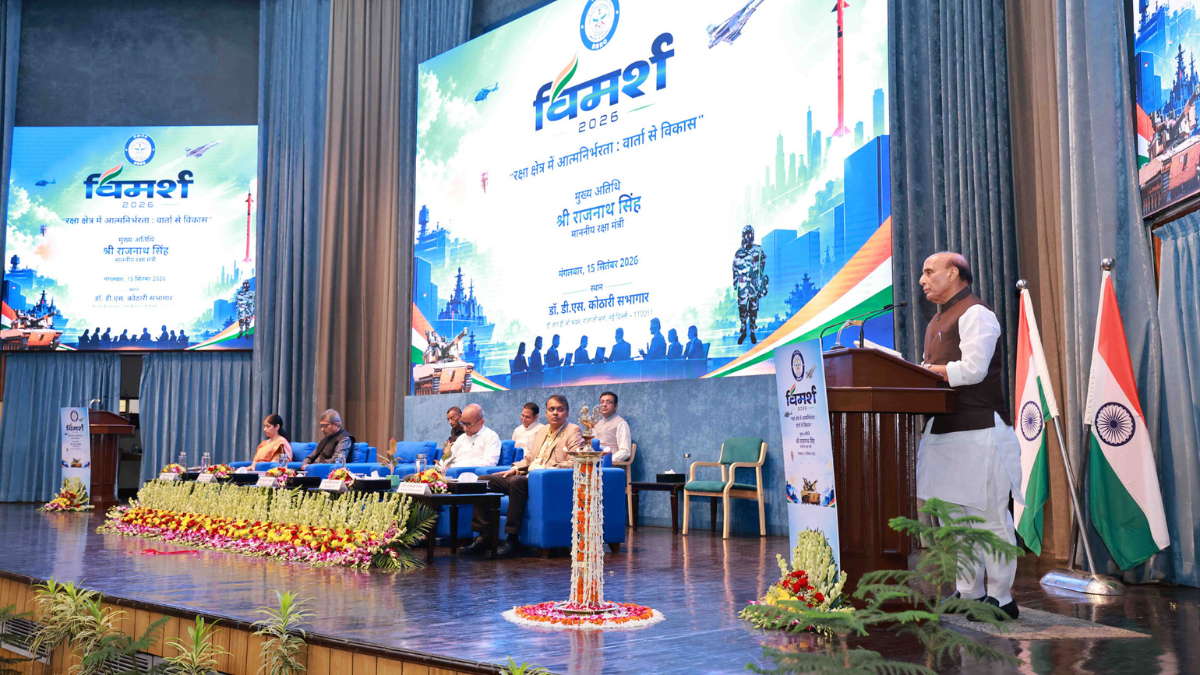
The VIMARSH 2026 initiatives include financial support and test facility access for domestic manufacturers.
The Takeaway
Defence Research and Development Organisation introduces a revised structure to lower entry barriers for smaller domestic companies. This shift gives deep-tech firms direct capital. Funding arrives through the established Technology Development Fund and iDEX platforms. Qualified participants also gain dedicated time at official evaluation facilities. The agency exchanged strategic memorandums with the Society of Indian Defence Manufacturers and Laghu Udyog Bharati to expand grass-roots industry participation.
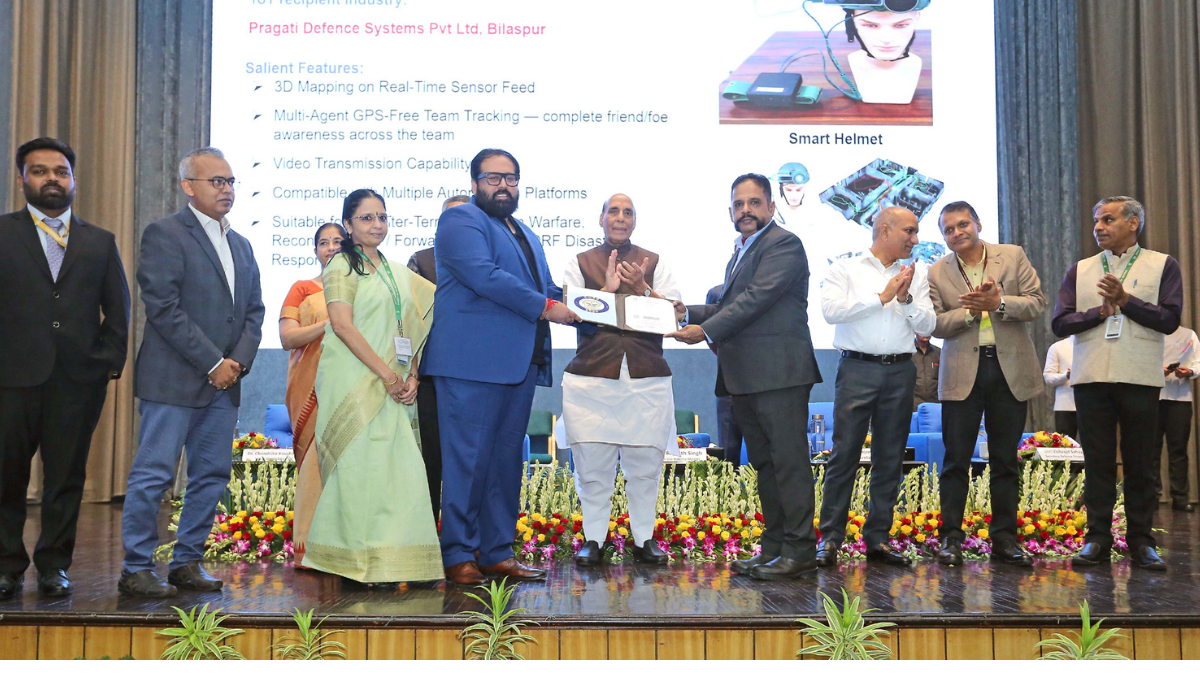
To verify production readiness, a contracted Quality Council of India programme evaluates manufacturing maturity. This assessment framework operates as SAMAR version 2.0. Companies aiming to build components for emerging sectors like artificial intelligence, quantum computing, hypersonics, and directed energy must meet these strict technical compliance standards before scaling.
The core differentiator is direct access to military software. Private manufacturers can now receive official source codes through a secure sharing framework. Commercial partners use this access to speed up their software-defined capabilities. This approach lets them manage system obsolescence directly instead of waiting on government engineers.
VIMARSH 2026 technology transfer details
| Feature | Details |
| Target sector | Indian MSMEs and start-ups |
| Available blueprints | Approximately 50 missile technologies |
| Strategic partners | SIDM and Laghu Udyog Bharati |
| Historical scale | Over 2,300 transfers to 1,100 industries |
Domestic production capabilities remain crucial as India shifts away from foreign military imports. The country is already expanding its physical readiness, seen in initiatives like How India is training for future nuclear and chemical risks at specialised facilities. Empowering local vendors with core intellectual property ensures parallel production lines can actually meet growing military demand.
ⓘ Sponsored: Unbox Daily HQ earns a commission if you buy through these links, at no extra cost to you. Prices shown are subject to change, and the actual price on Amazon at the time of purchase may vary from what is displayed here.
The Unboxed Truth
You will see Unbox Daily HQ track the VIMARSH 2026 rollout closely as private firms start building complex hardware independently. Giving start-ups the actual software code rather than basic blueprints changes how quickly domestic weapons can evolve. This removes the old ceiling where small shops only built basic metal components. Securing these capabilities locally prevents supply chain freezes during geopolitical conflicts.
Best for: Commercial enterprises looking to secure advanced military production contracts.
Who Is This For: Defence technology founders and manufacturing executives aged 30 to 55.
Courtesy: Defence Research and Development Organisation
Indian MSMEs and start-ups can secure these agreements by meeting technical compliance standards under the SAMAR version 2.0 evaluation programme. Qualified participants receive direct capital through the Technology Development Fund and iDEX platforms. This domestic initiative also grants participating companies dedicated time at official Indian military evaluation facilities.
The core differentiator is the direct access it grants private manufacturers to official military software source codes. Companies can use this secure sharing framework to speed up their own software-defined capabilities. This approach lets domestic commercial partners manage system obsolescence directly instead of waiting on government engineers.
This government initiative is highly recommended for commercial enterprises looking to secure advanced military production contracts. It is specifically designed for defence technology founders and manufacturing executives aged 30 to 55. Securing these core intellectual property capabilities locally ensures Indian businesses can consistently meet growing military demand.