Thursday, May 28, 2026 |Navi Mumbai
--:-- | --°C | AQI --
If it's not on Unbox Daily HQ, it's not a Launch. Every product, policy and brand launch in India. One hub. What's new?
The July 2026 directives allow serving female officers on short service to convert to permanent roles upon eligibility.
The Essentials
The Pulse
The Indian Coast Guard now permits the induction of women candidates into Permanent Appointments directly alongside their male counterparts. This shift ends years of structural disparity within the maritime security apparatus, aligning the force with broader equal opportunity mandates across national defence sectors.
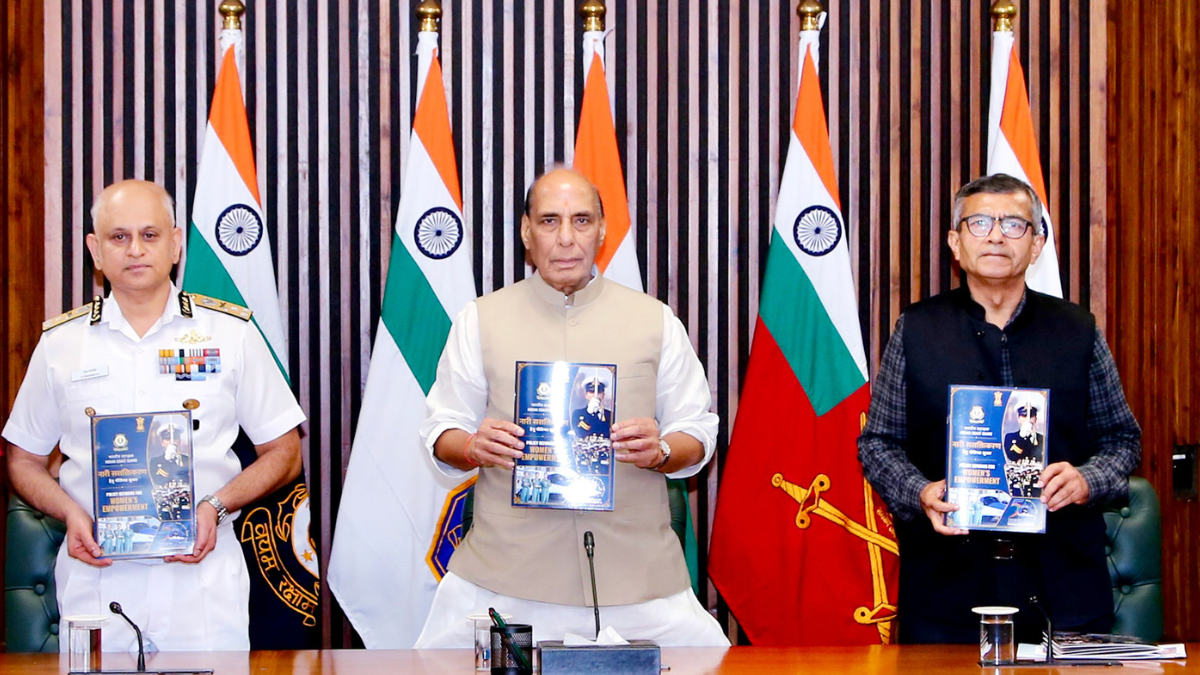
Raksha Mantri Rajnath Singh formalised these directives on July 28, 2026, at Kartavya Bhavan-2 in New Delhi. Defence Secretary Rajesh Kumar Singh and Director General Paramesh Sivamani were present to ratify the operational updates. The framework addresses two distinct but critical areas of force management: career progression for serving personnel and financial security for the families of those lost in the line of duty.
For families, the procedural update provides immediate relief during periods of extreme mental trauma. Historically, proving a service member was deceased after going missing at sea required exhaustive administrative navigation before any financial support was released. The new policy establishes a direct pathway to declare a member presumed dead strictly for ex-gratia purposes, ensuring dependents receive their rightful compensation without unnecessary bureaucratic friction.
The Breakdown
ⓘ Sponsored: Unbox Daily HQ earns a commission if you buy through these links, at no extra cost to you. Prices shown are subject to change, and the actual price on Amazon at the time of purchase may vary from what is displayed here.
The gender-neutral recruitment framework reorganises how candidates enter the force. Women can now apply directly for Permanent Appointments (PA), while Short Service Appointments (SSA) are now open to male candidates. For currently serving female officers on an SSA contract, the Ministry provides a new administrative option to convert their service into a PA, provided they meet stipulated eligibility conditions.
Additionally, existing female PA officers enter the standard consideration pool for promotions to higher command positions. On the casualty management front, the updated regulation grants the Coast Guard direct authority to classify a service member who disappears at sea while on active duty as presumed dead. This specific classification triggers the immediate release of ex-gratia compensation and terminal benefits to the designated Next of Kin.
The Distinction
The structural shift here lies in removing the gender barrier from the Indian Coast Guard’s foundational hiring and retention architecture. While previous frameworks treated female officers as exceptions limited to specific tenures, this mandate establishes strict parity for both Permanent Appointments and Short Service Appointments from the ab-initio training phase. Furthermore, the administrative mechanism for handling casualties at sea now decouples the release of ex-gratia funds from lengthy legal declarations of death, creating a fast-track financial support system specifically designed for maritime operational hazards.
The Snapshot
| Metric | Confirmed Detail |
| Sector | Defence & Maritime Security |
| Executing Agency | Indian Coast Guard (ICG) |
| Key Policy 1 | Gender-neutral SSA and PA inductions |
| Key Policy 2 | Expedited ex-gratia for missing personnel |
| Implementation Date | 28 July 2026 |
| Upcoming Milestone | Swarnim Jayanti (Golden Jubilee) in 2027 |
The Big Picture
The Indian armed forces have systematically dismantled gender barriers over the past five years, with the Army granting permanent commission to women following Supreme Court interventions. The Indian Coast Guard’s structural alignment reflects this national shift toward merit-based progression regardless of gender. By opening Short Service Appointments to men and Permanent Appointments to women simultaneously, the maritime force creates a truly interchangeable talent pool. This parity strengthens the defensive posture of a force actively patrolling India’s 7,516-kilometre coastline against piracy, smuggling, and maritime incursions.
The India Prospective
For Indian professionals considering a career in maritime defence, these mandates completely rewrite the long-term viability of joining the Coast Guard. Female cadets at academies across India now have a guaranteed, legally protected path to top-tier leadership roles rather than facing forced exit after a short service tenure. Concurrently, the financial safeguards ensure that Indian families sending their children into high-risk maritime zones have immediate government backing if disaster strikes.
The Inside Intel
The timing of these administrative updates deliberately aligns with the Indian Coast Guard preparing for its Swarnim Jayanti in 2027. By resolving long-standing promotional bottlenecks and ex-gratia delays before the fifty-year milestone, the force clears legacy administrative hurdles to present a fully modernised operational structure for its golden jubilee.
The Unboxed Truth
Unbox Daily HQ views these policy shifts as the most practical administrative upgrades the Indian Coast Guard has implemented this decade. For a 21-year-old female naval cadet in Kochi looking at her career options, this removes the ceiling that previously capped her trajectory. She no longer has to weigh the immense physical and mental investment of military training against a contract that forces her out just as she reaches mid-level command.
When comparing the value of this reform to previous disjointed policy updates, the inclusion of the ex-gratia clause proves the Ministry is actually listening to service families. It fixes the specific, devastating reality where a spouse in Mumbai had to fight bureaucratic red tape to claim financial support while simultaneously grieving a partner lost at sea. The ability to declare a missing officer presumed dead specifically to unlock terminal benefits is a humane, structural fix that no other recent defence mandate has addressed so directly.
Best for: Female defence aspirants who want a full, lifelong career in maritime security rather than a temporary stint
Who Is This For: Perfect for 18 to 26-year-old Indian military cadets in training who require long-term career stability and equal promotional opportunities
The Source
Press Information Bureau
The Query
The new Indian Coast Guard policy reforms were formalised on 28 July 2026 in New Delhi by Raksha Mantri Rajnath Singh. The updated directives apply immediately across the force as it prepares for its Swarnim Jayanti in 2027. They establish gender parity in officer inductions and accelerate ex-gratia processing.
Unlike previous frameworks that restricted female officers to specific short-tenure roles, the new mandate grants women direct Permanent Appointments from ab-initio training. It enables serving female Short Service officers to convert to Permanent Appointments and opens Short Service Appointments to male candidates for complete operational parity.
The policy reforms primarily benefit female defence aspirants and military cadets aged 18 to 26 seeking permanent careers in maritime defence. By removing promotional glass ceilings and guaranteeing fast-tracked ex-gratia support for families of personnel missing at sea, the mandate delivers long-term career stability and structural security.