Thursday, May 28, 2026 |Navi Mumbai
--:-- | --°C | AQI --
If it's not on Unbox Daily HQ, it's not a Launch. Every product, policy and brand launch in India. One hub. What's new?
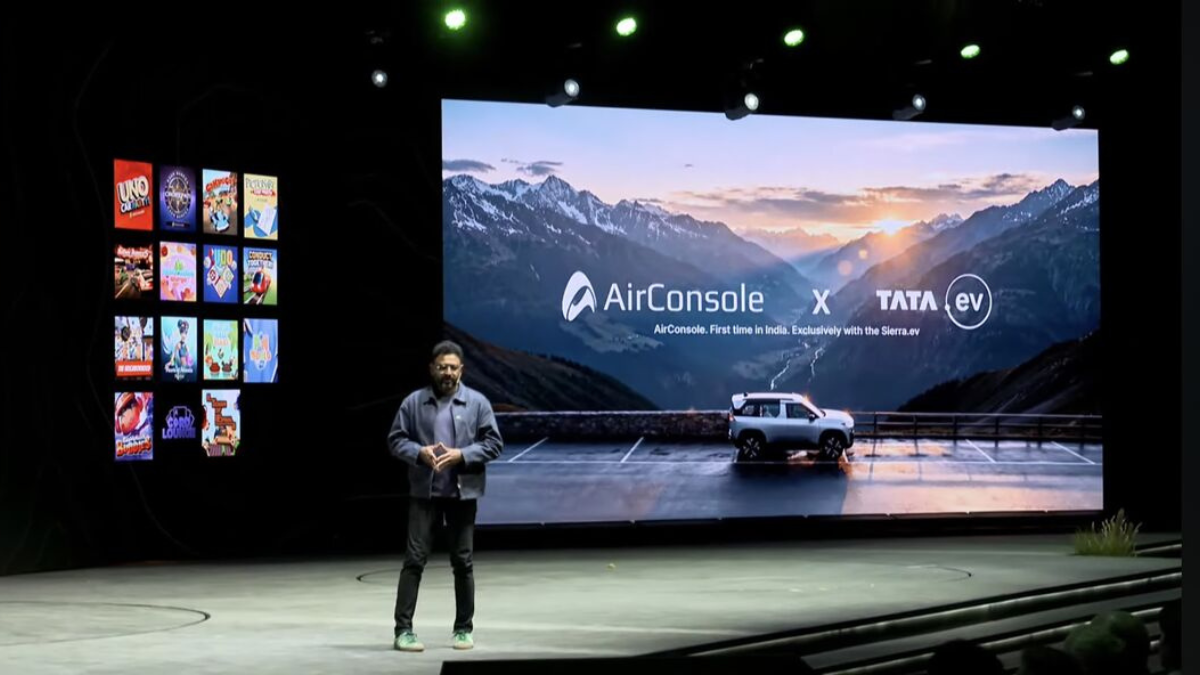
AirConsole brings native multi-player gaming to Indian roads for the first time via the Tata Sierra.ev starting at ₹18.79 lakh.
The Essentials
The Pulse
The Tata Sierra.ev arrived in the first week of July, drawing immediate attention for its battery configurations and range. Now that the initial fanfare around the electric specifications has settled, the focus shifts to the vehicle’s most practical passenger utility, the Indian debut of the AirConsole gaming platform. This marks the first time the Swiss company has partnered with a non-European automotive brand.
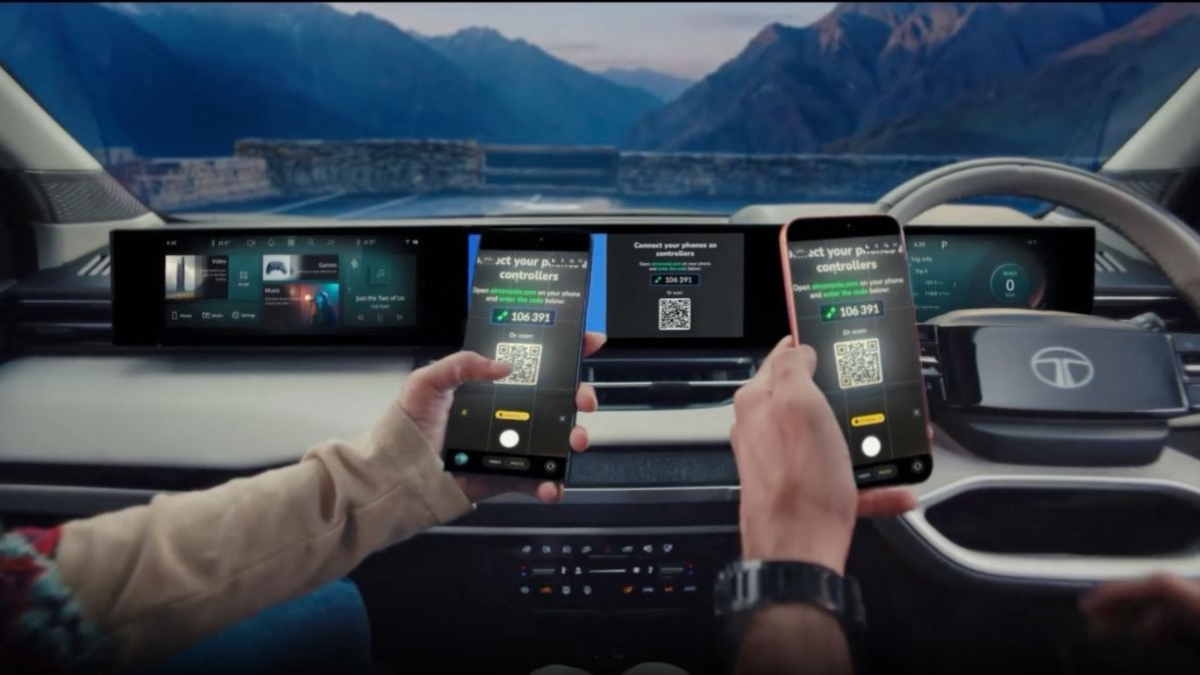
Buyers looking at in-car entertainment might wonder how to connect multiple devices in a confined space. The solution skips manual pairing completely. Users simply scan a QR code displayed on the vehicle’s screen with their smartphone camera. This instantaneous handshake converts the phone into a directional pad and action button interface.
This setup addresses the reality of modern electric vehicle ownership, where families often spend forty minutes waiting at highway charging stations. Instead of occupants staring independently at their individual screens, the dashboard becomes a shared focal point. The platform targets casual players rather than core enthusiasts, ensuring that children and grandparents can play together without requiring prior technical experience.
The Breakdown
ⓘ Sponsored: Unbox Daily HQ earns a commission if you buy through these links, at no extra cost to you. Prices shown are subject to change, and the actual price on Amazon at the time of purchase may vary from what is displayed here.
The Sierra.ev provides the physical infrastructure required to support the gaming software. The cabin features a Horizon View triple-screen array paired with a 12-speaker JBL Black audio setup, a SonicShaft soundbar, and Dolby Atmos tuning. This acoustic and visual hardware provides the backbone for the multi-player interface.
To support the experience alongside regular driving duties, the vehicle utilises either a 63 kWh or 75 kWh battery pack, feeding a dual-motor all-wheel-drive configuration. The hardware delivers a 0 to 100 km/h sprint in 5.8 seconds, while managing a real-world range of up to 530 kilometres. The gaming application lives exclusively inside the Arcade app of the connected services pack.
The Distinction
The primary differentiator of the AirConsole integration is its native architecture within a triple-screen dashboard format. Competing vehicular entertainment systems rely on external casting or screen-mirroring protocols, which introduce latency and restrict multi-player functionality. By building the software directly into the vehicle’s network, Tata and N-Dream utilise the car’s existing computing power, spatial layout, and audio array. This structural choice removes the need for dedicated hardware controllers, transforming an ordinary passenger cabin into a functioning multi-screen entertainment environment without any additional peripheral costs.
The Snapshot
| Specification | Detail |
| Vehicle Model | Tata Sierra.ev |
| Platform | AirConsole by N-Dream |
| Battery Capacity | 63 kWh and 75 kWh |
| Claimed Range | 510–530 km (Real-world) / 665 km (MIDC) |
| Acceleration (0-100 km/h) | 5.8 seconds |
| Driver Assistance | 540-degree HD camera, Auto Park Assist, Summon Mode |
| Audio Hardware | 12-speaker JBL Black system, SonicShaft soundbar, Dolby Atmos |
| Exterior Colours | Pristine White, Pure Grey, Coorg Clouds, Bengal Rouge, Andaman Adventure, Rishikesh Rapids, Nainital Nocturne |
| Starting Price | ₹18.79 lakh (ex-showroom) |
| Platform Availability | Active since July 1, 2026 (Four-month Sierra.ev exclusive) |
The Big Picture
For years, companies like MG and Hyundai pushed the boundaries of Indian dashboard tech with massive touchscreens, but the software remained strictly limited to navigation and basic media. This debut shifts the battlefield from screen size to actual computing utility. Automotive brands are acknowledging that cabin entertainment now dictates consumer choice just as heavily as battery capacity. By collaborating on a native multi-player network, Tata moves past the gimmick of basic video playback, attempting to rival the cabin experience found in premium European imports at a fraction of the cost.
The India Prospective
For the Indian electric vehicle buyer, this integration turns the mandatory highway charging stop from an inconvenience into structured family time. At a starting price of ₹18.79 lakh, the Sierra.ev places premium interactive tech squarely in the middle-class upgrade path. Furthermore, omitting the need for expensive secondary controllers means Indian buyers avoid additional hardware clutter in a market where smartphones are already ubiquitous.
The Inside Intel
The multi-screen application in the Sierra.ev required a complex structural collaboration across two continents. Switzerland’s N-Dream and India’s Tata Motors worked directly with Pune-based software firm KPIT Technologies to ensure the gaming code communicates flawlessly with the car’s specific hardware arrays.
The Unboxed Truth
Unbox Daily HQ considers this a fundamentally smart approach to passenger engagement, not because a car needs to be a toy, but because it actively solves the boredom of EV charging downtime.
For a 34-year-old parent navigating weekend road trips out of Mumbai, keeping children occupied while the battery tops up at a fast charger is a very real challenge. At ₹18.79 lakh, this vehicle costs slightly more than top-tier internal combustion compact SUVs, but offers a native, multi-screen entertainment suite that those rivals lack entirely. Now that the dust has settled on the EV’s initial rollout, the real long-term value lies in this QR code handshake. By stripping away complex Bluetooth pairings and using the phones already sitting in the passengers’ pockets, the system guarantees instant participation without a frustrating learning curve.
Best for: Tech-forward families taking regular highway trips who need an engaging way to pass the time during mandatory charging stops
Who Is This For: Perfect for 32 to 42-year-old parents in urban centres who prioritise cabin technology and shared experiences over traditional engine performance
The Checkout
The Source
Tata Motors
The Query
The Tata Sierra.ev starts at an introductory ex-showroom price of ₹18.79 lakh and goes up to ₹26.48 lakh in India. Following its early July vehicle launch, the AirConsole gaming platform became active on July 1, 2026. The SUV is available across five distinct trim levels at Tata Motors dealerships.
AirConsole integrates natively into the Tata Sierra.ev triple-screen dashboard rather than using external casting protocols. This structural approach eliminates latency and allows passengers to turn smartphones into controllers via a quick QR code scan. It utilises the vehicle’s native 12-speaker JBL Black sound system with Dolby Atmos without extra peripheral costs.
The Tata Sierra.ev is worth buying for 32 to 42-year-old urban parents who require interactive cabin entertainment during highway charging stops. At ₹18.79 lakh, it costs slightly more than top-tier internal combustion compact SUVs while adding native multi-player gaming. Instant QR code phone connection offers genuine practical value for family road trips.