Thursday, May 28, 2026 |Navi Mumbai
--:-- | --°C | AQI --
If it's not on Unbox Daily HQ, it's not a Launch. Every product, policy and brand launch in India. One hub. What's new?
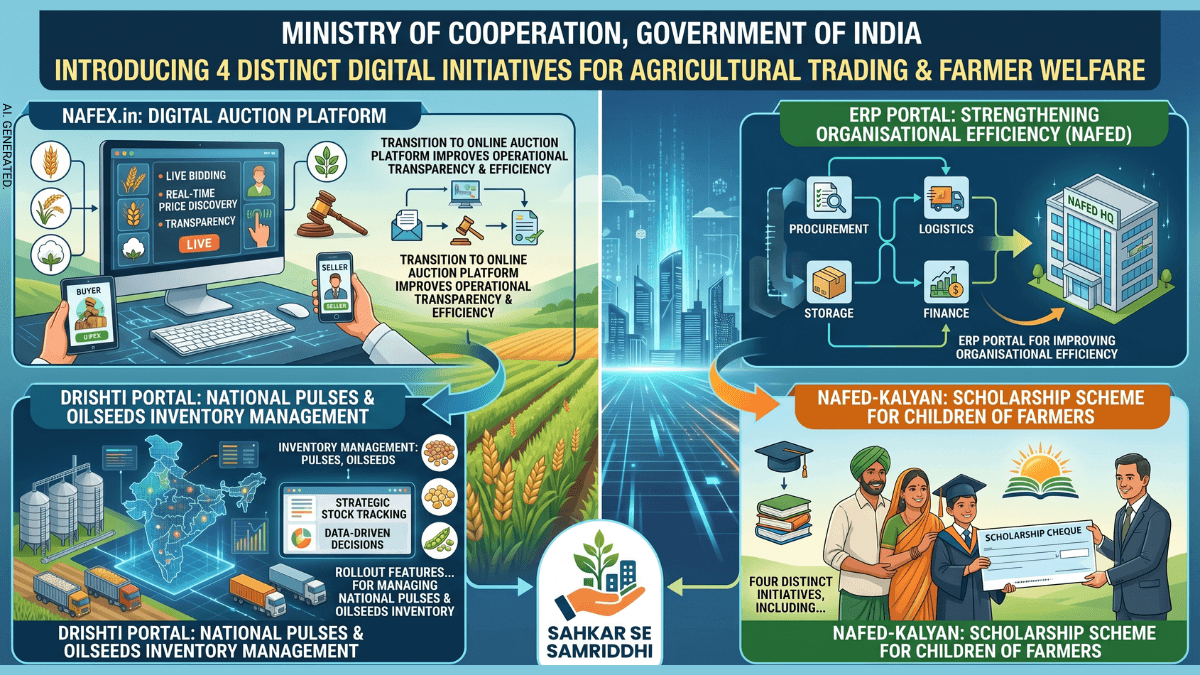
The rollout in New Delhi includes the DRISHTI inventory portal and NAFED-KALYAN education scholarships for children.
The Essentials
The Pulse
The central government opens access to NAFEX to move agricultural produce auctions onto a digital platform. For decades, agricultural procurement has relied on offline processes that leave room for pricing inefficiencies and manual delays. The new system creates a digital environment where agricultural produce auctions happen transparently, allowing member institutions and stakeholders to streamline auction-related activities in real time.
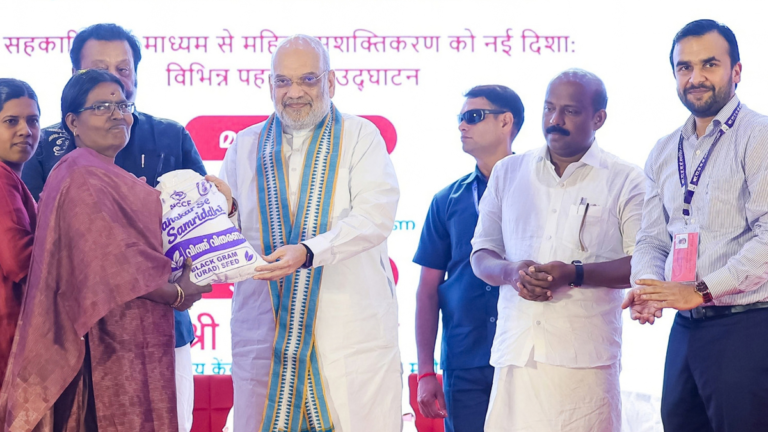
The event at Atal Akshay Urja Bhawan involves more than just the auction platform. The organisation is introducing the DRISHTI portal specifically to manage the inventory of pulses and oilseeds, alongside a new enterprise resource planning system. Officials are also distributing the first NAFED-KALYAN scholarship cheques, aimed directly at supporting the education of farmers’ children. This digital shift aligns with the national vision of Sahkar Se Samriddhi, modernising cooperative institutions through technology and farmer-centric reforms to remove the physical barriers that dilute final returns.
The Snapshot
| Attribute | Details |
| Platform Name | NAFEX.in |
| Operating Body | NAFED |
| Primary Function | Digital agricultural produce auctions |
| Inventory Component | DRISHTI portal for pulses and oilseeds |
| Internal System | Enterprise resource planning ERP portal |
| Welfare Initiative | NAFED-KALYAN scholarship cheques |
| Launch Location | Atal Akshay Urja Bhawan, New Delhi |
The Big Picture
ⓘ Sponsored: Unbox Daily HQ earns a commission if you buy through these links, at no extra cost to you. Prices shown are subject to change, and the actual price on Amazon at the time of purchase may vary from what is displayed here.
India’s agricultural supply chain has historically struggled with opaque pricing networks and intermediary interference at local procurement centres. While private agritech startups like DeHaat and Ninjacart have attempted to digitise segments of the supply chain, government-backed cooperatives handle a vastly larger volume of staple crops. By moving its own auctions online and tracking pulse and oilseed inventories through the DRISHTI portal, NAFED is forcing standardisation onto a traditionally fragmented system. This step builds essential infrastructure for cooperative-based agricultural trade on a national scale.
The India Prospective
The inventory tracking of pulses and oilseeds via the DRISHTI portal directly underpins the availability of everyday food staples across Indian kitchens. Better national resource planning helps prevent sudden market shortages that cause price spikes in local retail shops. Furthermore, the direct distribution of educational scholarships provides immediate financial relief to rural families outside major metropolitan centres, bypassing traditional administrative delays.
The Inside Intel
The public portal rollout is immediately followed by a closed-door meeting between the minister and NAFED’s Board of Directors. The board must present a strict accountability report detailing the exact actions taken on specific directives issued during the minister’s previous official visit. This internal review ensures that the digitisation process directly satisfies ongoing government policy demands rather than operating as a standalone IT upgrade.
The Unboxed Truth
Unbox Daily HQ considers this a necessary infrastructure upgrade for India’s cooperative trading network, even if urban consumers never log into the portal themselves. By moving agricultural auctions online and centralising pulse inventories, the platform addresses the exact operational gaps where pricing manipulation typically occurs. While city professionals will not use these digital tools directly, the resulting transparency eventually stabilises the wholesale costs of daily household essentials.
Best for: agricultural cooperative members who require direct visibility into crop auction pricing without regional interference.
Who Is This For: Perfect for 28 to 60 agricultural stakeholders in semi-urban India who want transparent trading platforms for their produce.
The Checkout
The Source
Ministry of Cooperation | PIB.GOV
The Query
Yes, the platform is officially available across India following its central rollout at the Atal Akshay Urja Bhawan in New Delhi. It establishes an online infrastructure designed to digitise agricultural produce auctions, completely replacing traditional, paper-based offline procurement setups. The digital portal is fully functional alongside other new national systems, including the DRISHTI inventory management portal and NAFED’s updated enterprise resource planning system.
Traditional agricultural procurement in India historically depends on physical mandis and manual, offline processes that often allow for pricing manipulation, communication delays, and localized monopolies. NAFEX shifts the entire auction ecosystem into a centralized digital space where bidding and final crop pricing are recorded transparently in real time. This transition removes physical barriers and intermediary interference, allowing member institutions and agricultural stakeholders to manage their trading activities with verified data.
The platform is specifically designed for agricultural cooperative members, trading stakeholders, and primary producers across rural and semi-urban India who require direct visibility into wholesale crop auctions. While city-dwelling professionals will not interact with this software directly, the platform is essential for stabilizing the wholesale costs of daily food staples like pulses and oilseeds before they reach urban retail markets. It serves as a critical utility for any registered cooperative supplier looking to secure fair, transparent compensation for their harvest.