Thursday, May 28, 2026 |Navi Mumbai
--:-- | --°C | AQI --
If it's not on Unbox Daily HQ, it's not a Launch. Every product, policy and brand launch in India. One hub. What's new?
Backed by top designers like Anju Modi, the RISA brand curates authentic heritage pieces for the premium retail market.
The Essentials
The Pulse
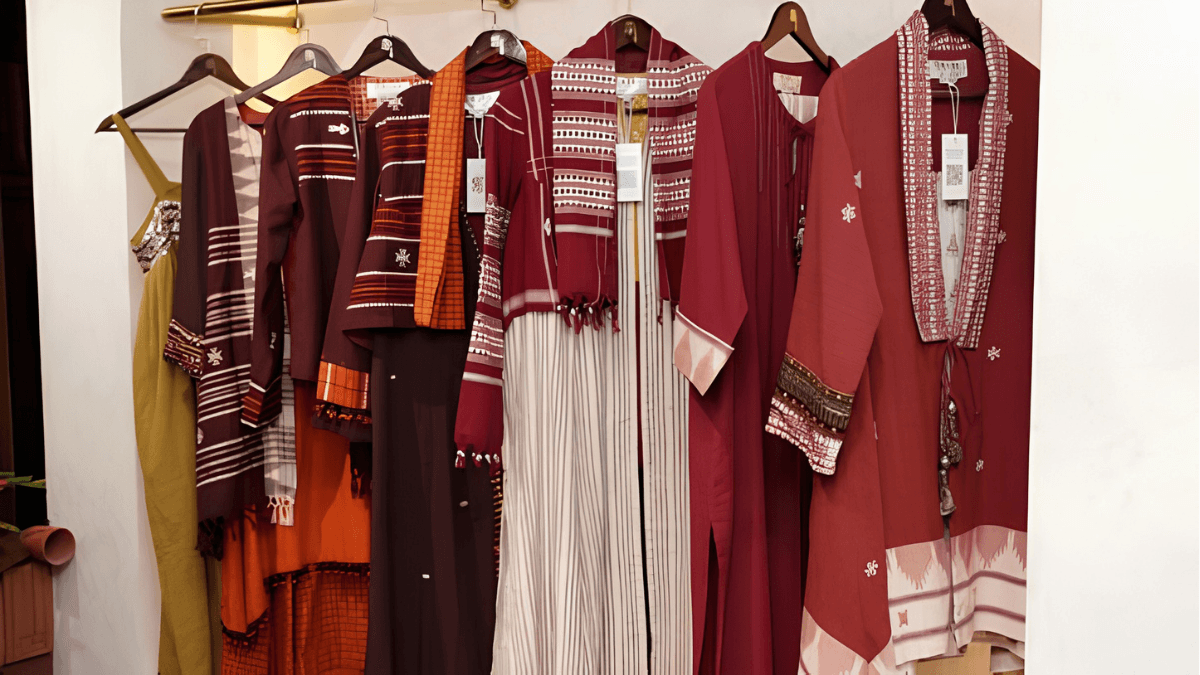
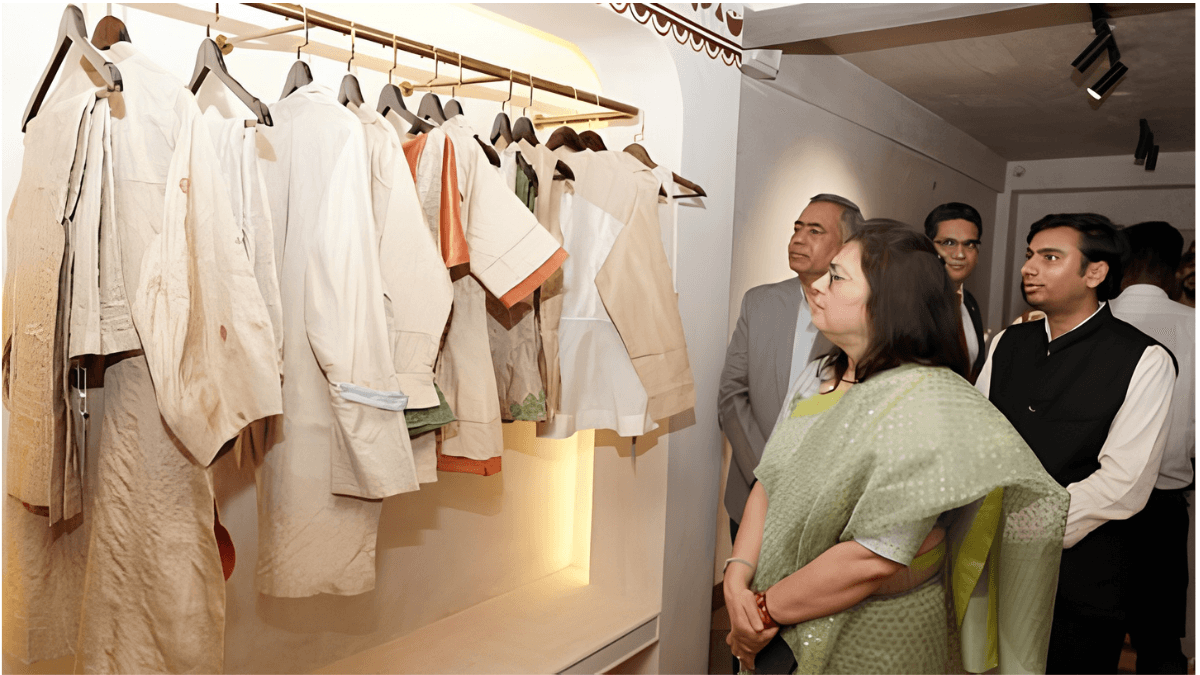
The first RISA Store is now open at the Rajiv Gandhi Handicrafts Bhawan in New Delhi. Backed by the Tribal Cooperative Marketing Development Federation of India (TRIFED), the project aims to create a premium identity for indigenous products. If you are looking to buy authenticated tribal textiles and crafts in a formal retail setting, this store serves as the official, government-backed outlet.
The initiative connects rural artisans directly with the urban market, ensuring they receive fair compensation while preserving their traditional craft. Established fashion designers, including Abu Jani, Sandeep Khosla, and Gaurav Jai Gupta, are collaborating with the weavers to make these heritage techniques relevant for contemporary wardrobes.
Shoppers will find Eri and Muga Silk from Assam, Toda Embroidery from Tamil Nadu, and Longpi Pottery from Manipur, all housed under one roof.
The Snapshot
ⓘ Sponsored: Unbox Daily HQ earns a commission if you buy through these links, at no extra cost to you. Prices shown are subject to change, and the actual price on Amazon at the time of purchase may vary from what is displayed here.
| Feature | Details |
| Brand | RISA – Timeless Tribal |
| Category | Premium Textiles & Handicrafts |
| Promoter | Ministry of Tribal Affairs (TRIFED) |
| Key Collections | Eri Silk, Changpa Pashmina, Toda Embroidery |
| Location | Gallery No. 2, Rajiv Gandhi Handicrafts Bhawan, New Delhi |
| Design Partners | Abu Jani, Sandeep Khosla, Anju Modi |
| Price | Variable based on product |
The Big Picture
The Indian handloom and craft sector often struggles with the gap between rural production and urban luxury consumption. Private players like Fabindia and Good Earth have successfully commercialised indigenous crafts, but the direct-to-artisan premium space remains highly fragmented. By positioning RISA as a high-end label with direct design input from established fashion houses and the National Design Centre, the government is actively attempting to move tribal crafts out of standard emporiums and into the highly lucrative lifestyle retail market.
The India Prospective
For shoppers in the capital, this provides a curated alternative to navigating regional state emporiums or relying on seasonal Dilli Haat exhibitions for authentic pieces. While private brands charge a significant premium for similar tribal weaves and embroideries, a direct government initiative usually means more transparent pricing. This structure ensures a much larger share of what you spend directly reaches the Changpa or Dongria artisans working on these pieces.
The Inside Intel
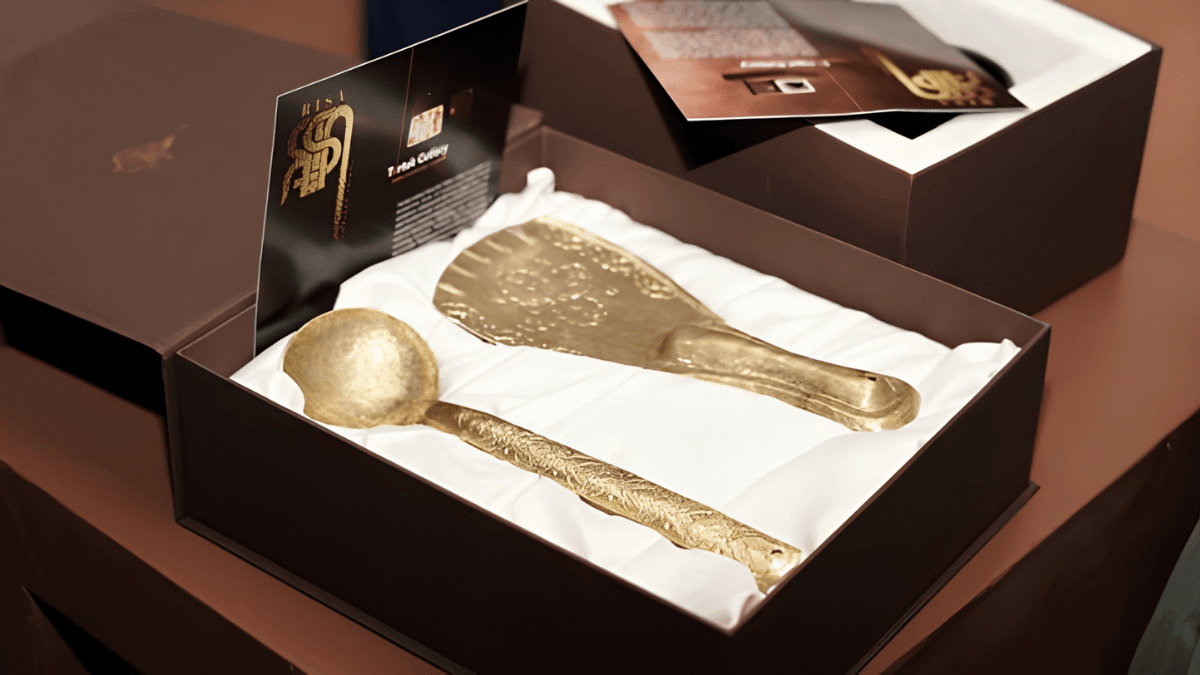
To ensure the brand feels truly premium, the National Institute of Design (NID) Haryana was brought in specifically to develop environmentally sustainable packaging. This means the presentation of a brass cutlery set from Ladakh or Dokhra art from Chhattisgarh will match the aesthetic expectations of a modern luxury buyer, finally moving away from the basic plastic wraps often seen at regional craft fairs.
The Unboxed Truth
Unbox Daily HQ considers this a vital step for heritage retail. If you care about the origin of your textiles or collect regional Indian crafts, you should visit the Connaught Place store. While individual pricing will vary depending on the weave or artefact, the assurance of authenticity directly from the source makes the investment worthwhile. The inclusion of contemporary design interventions means these are not just museum pieces, but items you can actually wear and use daily.
Best for: Textile enthusiasts and conscious consumers who value authentic, sustainably packaged heritage crafts
Who Is This For: Perfect for 28 to 55 year old urban professionals in Delhi NCR who prefer investing in authentic cultural pieces over fast fashion
The Checkout
Tribes India – Official Website
The Source
Ministry of Tribal Affairs | PIB.GOV.
Yes, the brand is available in India through its first exclusive store located at Gallery No. 2, Rajiv Gandhi Handicrafts Bhawan in Connaught Place, New Delhi. Individual product pricing varies depending on the specific weave or artefact and is not yet fixed at a single confirmed price point. The collection can also be tracked online through the official Tribes India platform.
Unlike private competitors like Fabindia that commercialise indigenous crafts, RISA operates as a direct government initiative ensuring transparent pricing where a larger share of your spend reaches rural artisans. The brand also collaborates directly with established fashion designers to create contemporary product lines while preserving traditional authenticity. Additionally, it elevates the retail experience by using environmentally sustainable packaging developed by the National Institute of Design.
This label is ideal for urban professionals and textile enthusiasts who prefer investing in authentic cultural pieces over fast fashion. It specifically suits consumers who want guaranteed origin and quality when purchasing premium regional crafts like Changpa Pashmina or Toda embroidery. The assurance of buying directly from a government-backed source makes these heritage items a worthwhile investment.