Thursday, May 28, 2026 |Navi Mumbai
--:-- | --°C | AQI --
If it's not on Unbox Daily HQ, it's not a Launch. Every product, policy and brand launch in India. One hub. What's new?
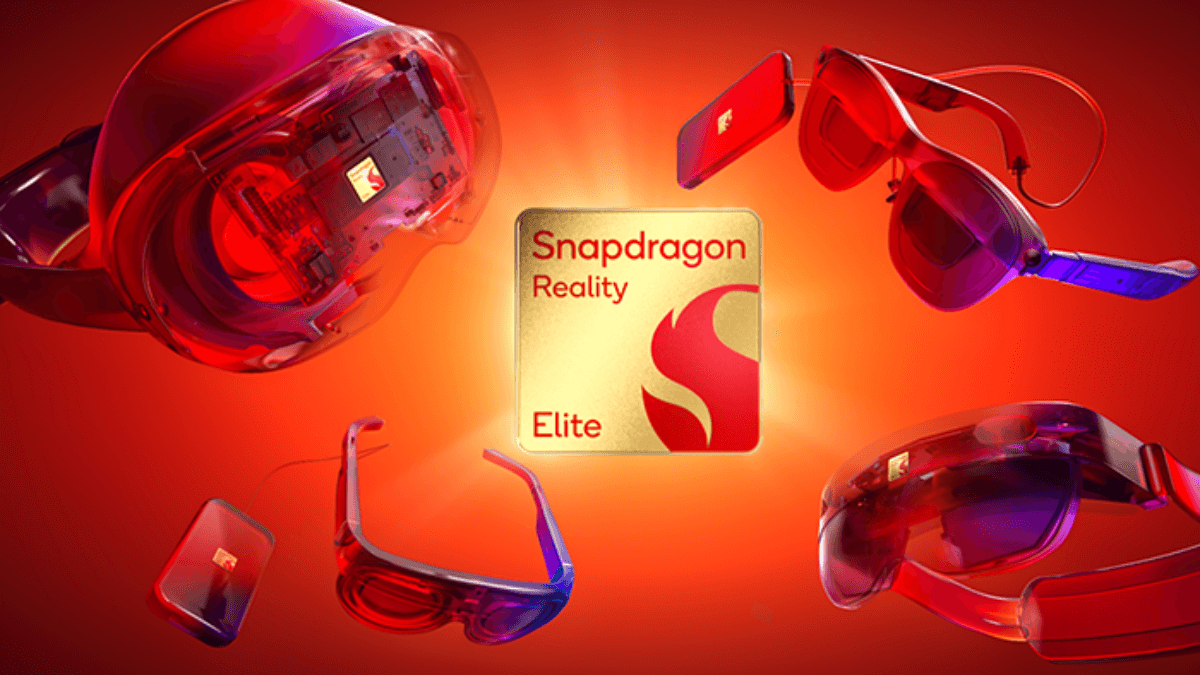
First consumer devices using this cloud-free spatial processor will hit global markets in second half of 2026.
The Essentials
The Pulse
The biggest barrier to wearing smart glasses on the Mumbai local or a Bengaluru office shuttle is not the software, but the sheer weight of the hardware. Current headsets require massive cooling vents and heavy batteries just to handle basic tracking. Qualcomm is changing that equation by focusing entirely on thermal efficiency.
By squeezing 160 per cent better AI processing, 60 per cent higher graphics performance, and 30 per cent better central processing power into the exact same thermal envelope, the platform allows manufacturers to design much slimmer frames. The chip handles heavy computing workloads natively on the device to run context-aware assistants completely offline. This technology officially debuted at AWE 2026, with the first consumer devices hitting global markets later 2026, though specific India availability remains unconfirmed. This architectural shift ensures users experience zero lag while keeping personal data entirely private.
The Snapshot
| Specification | Details |
| Platform Name | Snapdragon Reality Elite Platform |
| Processor Type | Spatial computing XR processor |
| NPU Performance | Up to 160% higher vs previous generation |
| GPU Performance | Up to 60% higher vs previous generation |
| CPU Performance | Up to 30% higher vs previous generation |
| Resolution & Framerate | 4K per eye at 120 fps |
| Battery Efficiency | Up to 20% longer uptime under identical workloads |
| India Price | Global: Bundled in OEM hardware |
| Availability | Available globally |
The Big Picture
ⓘ Sponsored: Unbox Daily HQ earns a commission if you buy through these links, at no extra cost to you. Prices shown are subject to change, and the actual price on Amazon at the time of purchase may vary from what is displayed here.
The race for wearable spatial computing is moving away from isolated virtual reality setups toward everyday augmented reality. While local options like the JioGlass have attempted to bring accessible mixed reality to Indian consumers, they have faced the perennial industry struggle of balancing processing power with wearable comfort. Qualcomm provides the underlying architecture that allows hardware brands to bypass this engineering hurdle completely, standardising high-frame-rate 4K visuals across the industry. This shifts the focus from experimental tech to practical, everyday eyewear.
The India Prospective
Operating entirely cloud-free means the platform does not rely on a constant Jio or Airtel 5G connection to run its spatial assistants during a patchy Mumbai or Bengaluru commute. The architecture is also engineered to run cooler within the same thermal envelope. This specific focus on thermal efficiency is a major advantage for wearable hardware operating in warm Indian climate conditions where headsets traditionally overheat quickly.
The Inside Intel
The architecture achieves its performance leaps without draining your battery faster. It delivers up to 20 per cent longer uptime under identical workloads compared to previous iterations. This means hardware developers do not have to pack larger, heavier battery cells into the sides of the spectacles to handle the upgraded AI processing, keeping the final product completely lightweight.
The Unboxed Truth
Unbox Daily HQ targets this architecture as the essential framework for viable smart glasses rather than a single off-the-shelf purchase. Your eventual cost will depend completely on whichever electronics brand you choose when the first consumer hardware. For an urban commuter looking for an offline, hands-free assistant that does not stall when your mobile network drops, the massive 160 per cent boost in local AI processing makes these upcoming devices well worth saving for. This platform proves that the future of wearables belongs to stealth engineering hidden inside normal spectacles. Skip the clunky first-generation headsets and wait for these partner frames to land.
Best for: Tech professionals in tech hubs who want a clear view of when smart glasses will become genuinely comfortable for daily wear.
Who Is This For: Perfect for 28 to 45 tech enthusiasts in urban corporate environments who want to track the exact hardware shift that makes lightweight AI eyewear possible.
The Checkout
The Source
Qualcomm Global
The Query
Qualcomm has not yet confirmed an official release date or pricing for the Indian market. The first consumer devices powered by this chip, such as the XREAL Aura, are scheduled to debut globally in Autumn 2026. Local pricing will depend entirely on whichever hardware brands choose to bring these partner frames to India.
While local options like JioGlass have historically struggled to balance heavy processing power with wearable comfort, this platform squeezes massive performance gains into the exact same thermal envelope to allow for much slimmer frames. It also operates entirely cloud-free, meaning it does not require a constant mobile data connection to run its spatial assistants. Furthermore, it manages high-frame-rate 4K visuals locally without causing the hardware to overheat quickly in warm climates.
Since this is an underlying processor architecture rather than a standalone product, you will be buying the individual partner devices that it powers. It is highly worth tracking for urban tech professionals and early adopters who want a lightweight, hands-free AI assistant for their daily commute. The platform marks the exact hardware shift needed to make smart glasses feel like ordinary spectacles rather than clunky headsets.