Thursday, May 28, 2026 |Navi Mumbai
--:-- | --°C | AQI --
If it's not on Unbox Daily HQ, it's not a Launch. Every product, policy and brand launch in India. One hub. What's new?
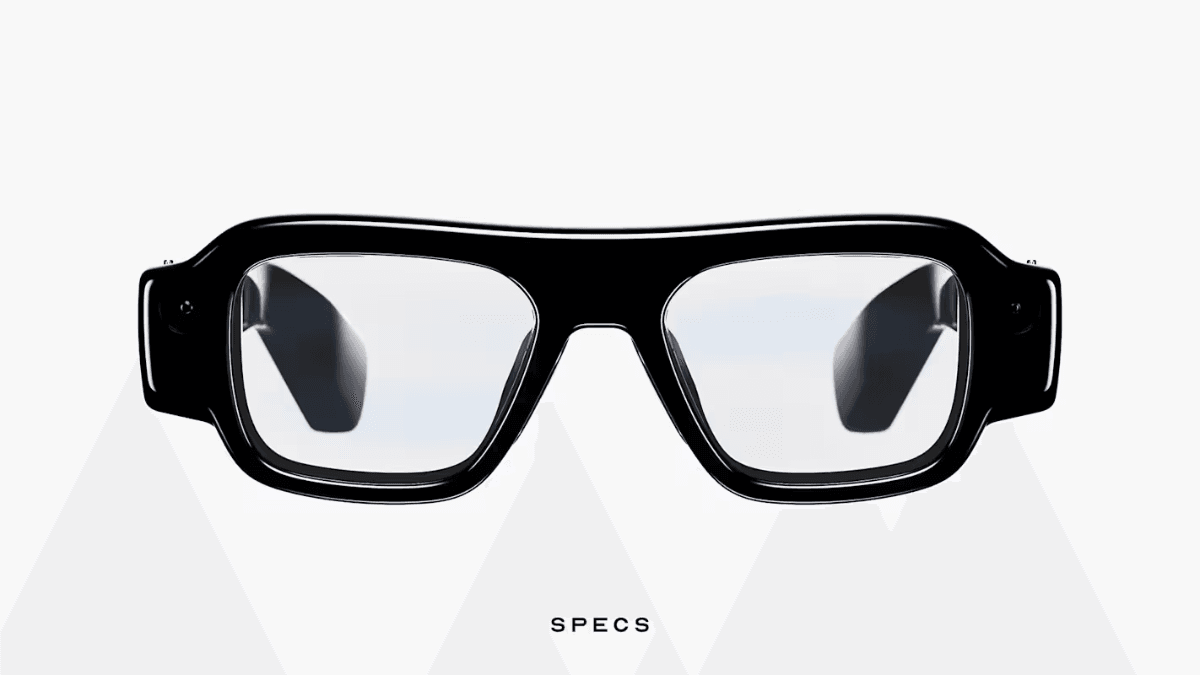
These glasses are the first attempt at a standalone augmented reality device that feels like eyewear rather than a headset, weighing between 132 and 136 grams.
The Essentials
The Pulse
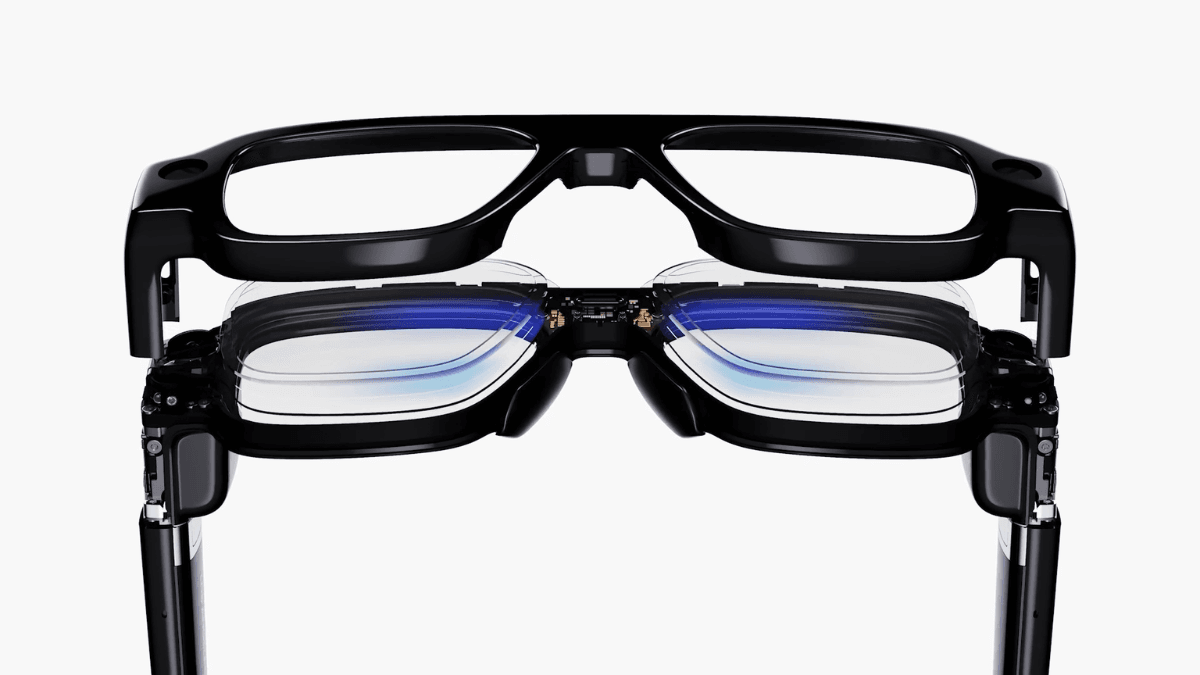
Most AR hardware forces a choice between heavy, isolating headsets or limited AI glasses. Snap has bypassed this by packing a full computing architecture into a Swiss TR90 polymer frame. The visual system uses proprietary Liquid Crystal on Silicon (LCoS) technology to deliver a 51° field of view with 16 million colours. The waveguide is a feat of engineering, using billions of nanostructures, so small that 10,000 fit on a single hair to project sharp, undistorted visuals while remaining 35% more transparent than previous versions for natural eye contact.
Performance is managed by a unique dual-processor setup: one Snapdragon chip is dedicated exclusively to computer vision, hand tracking, and world understanding, while the second runs Snap OS and rendering. This ensures the 7ms latency that prevents motion sickness. Interaction is purely intuitive, relying on hand gestures and 6DoF tracking, with no controller required. Audio is handled by a discreet open-ear system, and a magnetic 5-pin interface supports charging or USB-C streaming for PCs and consoles. Privacy is baked in via a hardwired LED recording indicator, and the system prioritises on-device processing to keep your data local.
This is a global launch currently limited to the United States, the United Kingdom, and France. India is not included in this initial rollout, and there is no confirmed timeline for a domestic release.
The Snapshot
ⓘ Sponsored: Unbox Daily HQ earns a commission if you buy through these links, at no extra cost to you. Prices shown are subject to change, and the actual price on Amazon at the time of purchase may vary from what is displayed here.
| Feature | Specification |
| Price | $2,195 (approx. ₹1,85,000) |
| Weight | 132g (47mm) / 136g (52mm) |
| Battery Life | 4 hours (20 hours with charging case) |
| Field of View | 51° diagonal |
| Latency | 7ms motion-to-photon |
| Controls | Voice, Hand Gestures (6DoF) |
| Availability | US, UK, France only – India: not yet confirmed |
The Big Picture
The industry is pivoting from immersive VR to “glanceable” AR, and Snap is moving faster than most by treating these as a developer-first platform. With the new Native Development Kit (NDK), developers can port C++ code directly, while a new Migration Agent handles Unity projects. Meta’s Ray-Ban glasses are currently the market leader for casual AI, but Snap is aiming at the “spatial workstation” category. In India, where smartphone-first computing is the standard, this represents a shift toward a future where your display is always on, but never in your pocket.

The India Prospective
For an Indian professional, this launch is a signal of where the category is heading rather than a product available for local purchase. With a price point exceeding ₹1,85,000, it sits well above the premium flagship segment. Without a local service network or infrastructure integration, such as UPI-ready spatial interfaces, these remain imported curiosities for early adopters prepared to handle their own shipping and manage the lack of local warranty support.
The Inside Intel
Snap has filed over 7,000 patents to make these glasses a reality. The “Migration Agent” is arguably as important as the hardware itself; it allows developers to translate existing Unity-based AR projects directly into Snap’s native format. This effectively turns a massive library of existing AR experiences into compatible software for the new hardware, bypassing the “app gap” that usually kills new computing platforms at launch.
The Unboxed Truth
Unbox Daily HQ believes that at $2,195, this is a device for builders and early adopters who want to influence the direction of spatial computing rather than the average consumer looking for a daily tool. It succeeds by avoiding the social stigma of headsets, but the price tag is a steep barrier for the current level of utility. With no official India timeline, it remains a product for the global enthusiast; keep an eye on how the developer ecosystem matures before considering an import.
Best for: tech enthusiasts and software developers who want to get ahead of the curve in spatial computing.
Who Is This For: Perfect for 25 to 40-year-old professionals in urban tech hubs who prioritise cutting-edge hardware over immediate value for money.
The Source
Snap Global
The device is currently a global launch restricted to the United States, the United Kingdom, and France. There is no confirmed timeline for an official release in India, meaning you cannot currently purchase it through domestic channels.
Unlike Meta’s glasses which focus on basic camera and audio features, Snap uses a standalone computing architecture with dual processors to provide a full AR workstation experience. It includes proprietary LCoS displays and advanced waveguides that project digital content with a 7-millisecond latency for a truly anchored spatial experience.
At approximately ₹1,85,000, this is a premium device intended primarily for developers and early adopters rather than the average consumer. Without an official India launch, local service support, or regional infrastructure integration, it is currently a niche product for enthusiasts who are comfortable managing international imports.