Thursday, May 28, 2026 |Navi Mumbai
--:-- | --°C | AQI --
If it's not on Unbox Daily HQ, it's not a Launch. Every product, policy and brand launch in India. One hub. What's new?
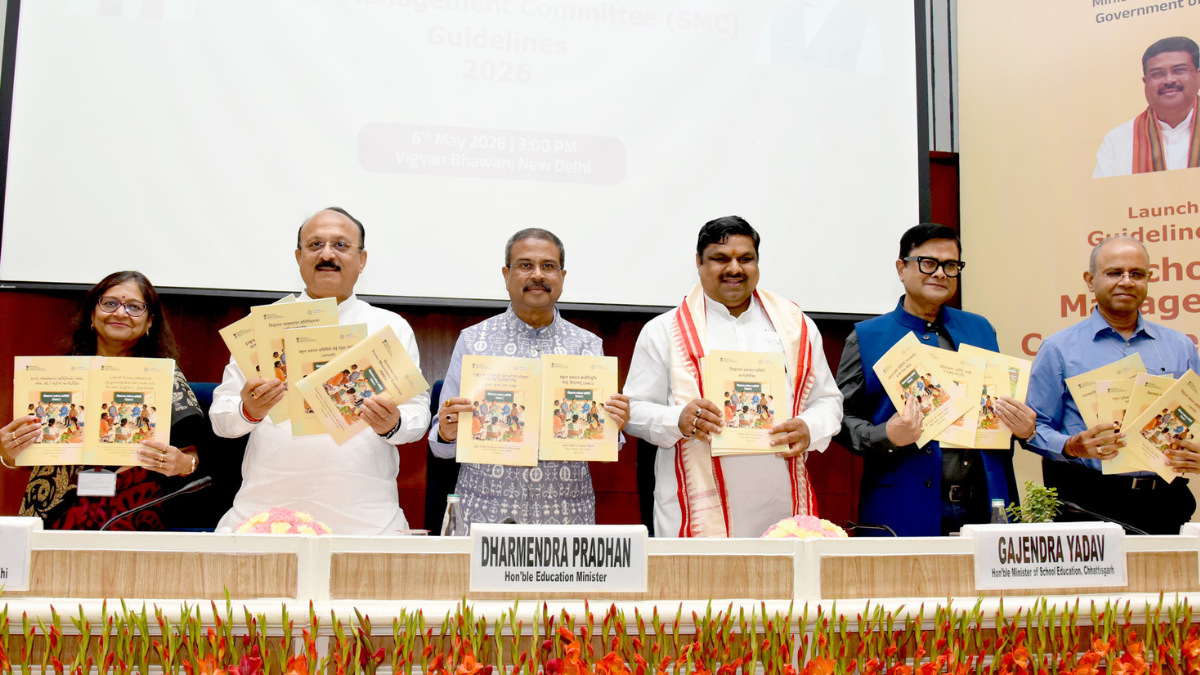
The Ministry of Education has issued new frameworks to involve parents in safety, mental health, and digital governance.
The Essentials
The Pulse
The government is moving away from the idea that a school is just a building managed by administrators. Under the new 2026 guidelines, your role as a parent or local guardian changes from a passive observer to a member of a governing institution. While previous rules mostly saw committees checking if the roof was leaking or if grants were spent, these updates prioritise what actually happens inside the classroom.
The new focus areas include Foundational Literacy and Numeracy (FLN) and the specific needs of Children With Special Needs (CWSN). If you have been worried about digital transparency or how your child’s school handles mental health, these guidelines provide the legal standing to address those issues directly with the leadership. It is an attempt to revive the historical Indian model where the community, not just the state, took ownership of education.
How do the new school management committee rules work? The guidelines establish a shared responsibility model where committees mentor students and monitor safety protocols. This is designed to ensure that the vision of the National Education Policy 2020 actually reaches the village and district levels rather than staying as a document in New Delhi.
The Snapshot
ⓘ Sponsored: Unbox Daily HQ earns a commission if you buy through these links, at no extra cost to you. Prices shown are subject to change, and the actual price on Amazon at the time of purchase may vary from what is displayed here.
| Feature | Details |
| Policy Name | School Management Committee (SMC) Guidelines 2026 |
| Target Reach | Approximately 15 lakh schools |
| Primary Focus | Community participation and school governance |
| Key Priorities | Child safety, mental health, FLN, and digital transparency |
| Oversight Body | Department of School Education & Literacy (DoSEL) |
| India Availability | Applicable nationwide from 2026 |
The Big Picture
Education in India has long struggled with a gap between high-level policy and ground-level execution. By formalising these guidelines, the ministry is trying to solve the accountability problem that often plagues state-run and aided institutions. Similar to how Resident Welfare Associations manage urban housing clusters, these committees are being positioned to manage the social and academic health of schools. This move mirrors global trends where decentralised school management consistently leads to better teacher attendance and higher student retention rates.
The Inside Intel
These guidelines specifically integrate the Vidyanjali initiative, which allows volunteers and the community to offer mentoring and handholding. It is no longer just about the committee members; the framework is designed to let retired professionals or local experts contribute directly to school life through a formalised channel.
The Unboxed Truth
Unbox Daily HQ. believes this is a vital tool for any parent who feels disconnected from their child’s educational environment. If you live in an area where school standards are inconsistent, these guidelines give you the specific authority to demand transparency in digital governance and safety. The value here is not monetary, but in the shift of power; it turns a “government school” into a “community school”. You should read these guidelines and ensure your local school is forming its committee according to the 2026 standards. This is the most direct way to influence the classroom without being a teacher or a bureaucrat.
Best for: Proactive parents and local community leaders who want a formal seat at the school leadership table.
Who Is This For: Perfect for 28 to 50 year old parents and guardians in India who want to improve local education standards and school safety.
The Checkout
The Source
Ministry of Education | PIB.GOV.
The new framework is officially titled the School Management Committee Guidelines 2026. It is scheduled for nationwide implementation across nearly 15 lakh schools starting in 2026.
The previous framework focused primarily on monitoring infrastructure projects and managing administrative grants. The 2026 guidelines shift this focus toward academic governance, including child safety, mental health, and learning outcomes.
Joining a committee is now a more impactful role as members have formal authority over digital transparency and foundational literacy. It is worth the time for parents who want to transform their local school into a community-governed institution.