Thursday, May 28, 2026 |Navi Mumbai
--:-- | --°C | AQI --
If it's not on Unbox Daily HQ, it's not a Launch. Every product, policy and brand launch in India. One hub. What's new?
The Philips Ambient Experience uses Marvel, Star Wars, and Disney stories to reduce anxiety in young patients.
The Essentials
The Pulse
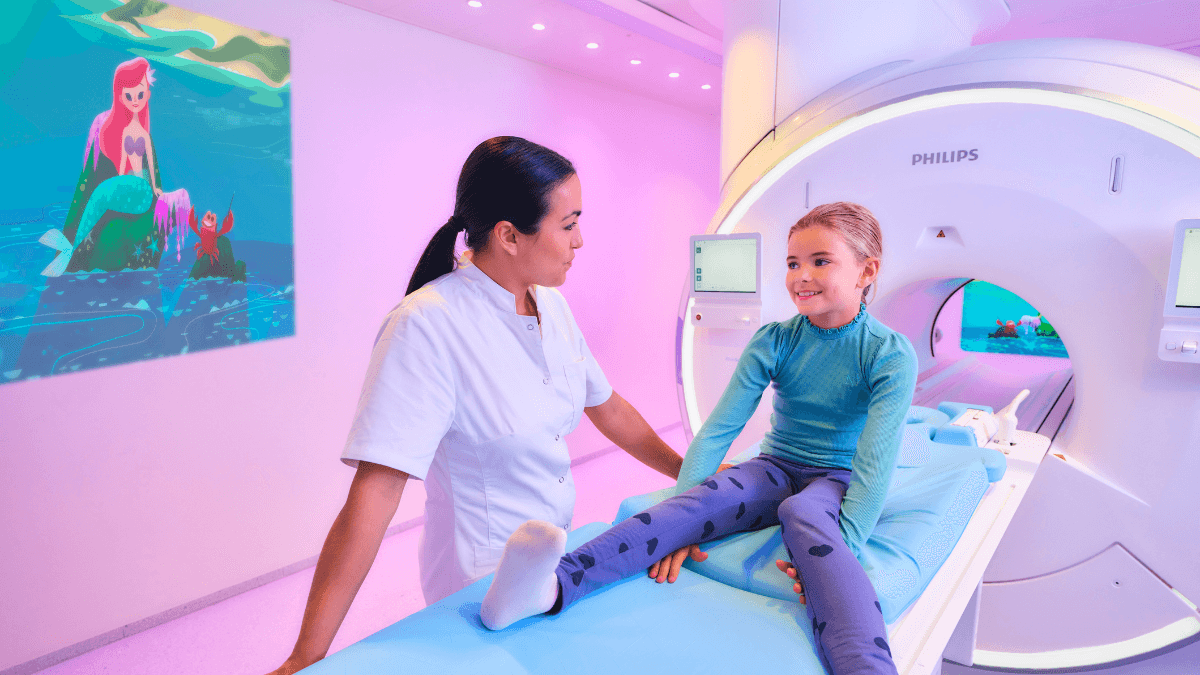
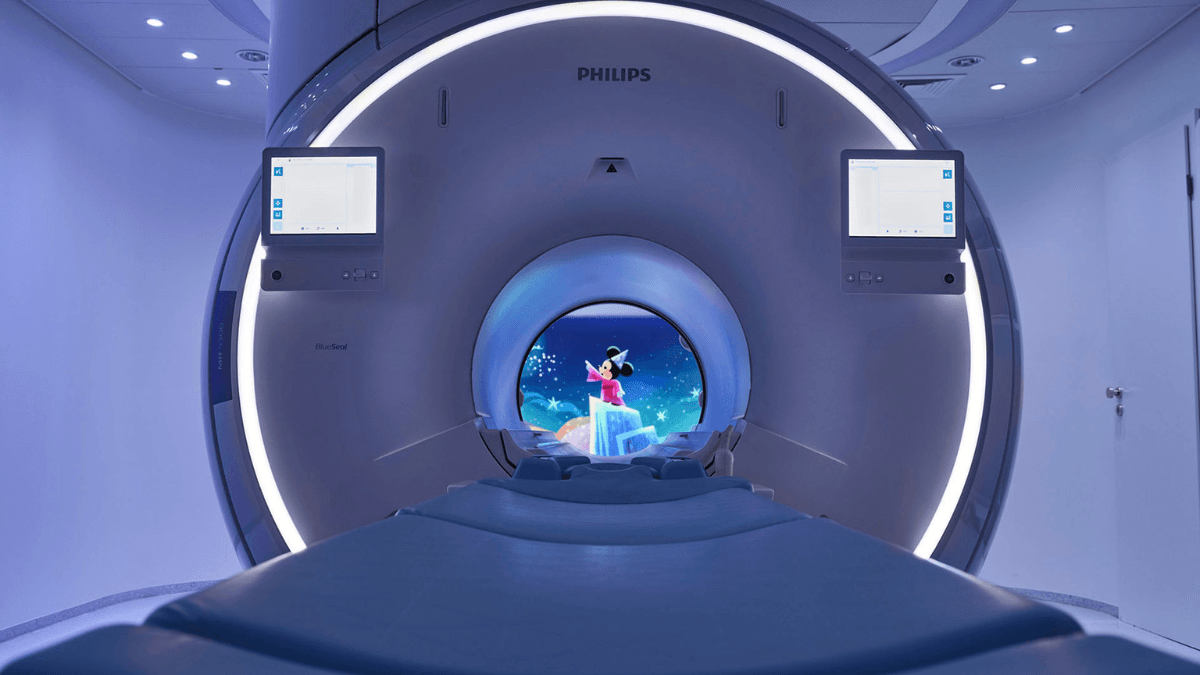
Philips and The Walt Disney Company are bringing animated stories directly into MRI rooms. This integration uses custom lighting, sound, and visual elements to help children relax during complex imaging procedures.
While rolling out to medical facilities across 87 countries, a specific timeline for Indian hospitals remains unconfirmed. An MRI scan demands lying completely still in a noisy, enclosed space, which often causes severe anxiety in children and leads to aborted scans or the need for clinical sedation.
By offering familiar faces from Marvel, Star Wars, and Disney, this initiative shifts a patient’s focus away from the intimidating machinery. The goal is to minimise re-scans and allow hospital staff to maintain efficient workflows while treating more patients daily.
The Snapshot
ⓘ Sponsored: Unbox Daily HQ earns a commission if you buy through these links, at no extra cost to you. Prices shown are subject to change, and the actual price on Amazon at the time of purchase may vary from what is displayed here.
| Feature | Details |
| Platform | Philips Ambient Experience for MRI |
| Partner | The Walt Disney Company |
| Included Franchises | Mickey & Minnie Mouse, Marvel, Star Wars, Disney Princesses, and more |
| Primary Goal | Reduce pediatric patient stress, anxiety, and scan disruptions |
| Content Cost | Provided by Disney at no additional cost to healthcare facilities |
| Availability | 87 countries worldwide (Global rollout underway) |
| India Status | Currently unconfirmed; pending local implementation updates |
The Big Picture
Paediatric healthcare frequently struggles to balance advanced clinical diagnostics with patient comfort. Medical imaging providers like GE HealthCare have explored child-friendly designs, but software-driven immersion is becoming the standard. Indian diagnostic chains such as Apollo Diagnostics often rely on physical room decor to calm children rather than integrated audiovisual technology. Introducing familiar entertainment properties into the actual hardware environment represents a shift from passive waiting room distractions to active in-procedure engagement, potentially reducing the need for clinical sedation in younger demographics.
The India Prospective
Indian hospitals frequently manage high patient volumes, making scan disruptions particularly costly for operational efficiency. If introduced to major domestic medical centres, this technology could help process paediatric cases faster without resorting to sedation. While high-end private facilities might adopt this first, the fact that Disney provides the content at no cost could make it accessible to a broader range of Indian healthcare institutions using compatible Philips imaging equipment.
The Inside Intel
Disney’s involvement extends beyond licensing characters to a medical technology company. The entertainment brand has a dedicated focus on clinical settings, having recently fulfilled a $100 million commitment to support over 1,700 children’s hospitals. Additionally, they train hospital staff through the Disney Institute, applying the same hospitality and experience-design principles used in their theme parks to clinical patient care.
The Unboxed Truth
Unbox Daily HQ views this as a crucial development for parents navigating complex medical procedures for their children. As an enterprise platform, this is not a consumer purchase, but rather a service to seek out when choosing a diagnostic facility. The integration of beloved characters turns a sterile, intimidating machine into an engaging environment, drastically reducing the psychological toll on young patients. Upon the arrival of this initiative in India, patients can anticipate zero-cost access to the content, making it a significant development for families managing their children’s frequent medical imaging requirements. Families facing these procedures should specifically inquire if their local radiology department supports ambient clinical technology before booking.
Best for: Parents and caregivers of young children who require regular diagnostic imaging and struggle with clinical anxiety.
Who Is This For: Perfect for 28 to 42-year-old parents in urban centres who want to ensure their child’s medical experiences are as stress-free as possible.
The Checkout
Philips Ambient Experience – Global Page
The Source
Philips Global
The platform is currently rolling out to medical facilities across 87 countries, but a specific timeline for Indian hospitals remains unconfirmed. Disney provides the art and imagery at no cost, meaning there is no direct content charge for healthcare institutions using compatible Philips machinery. Parents will need to track when domestic diagnostic centres begin adopting the upgraded system.
Traditional Indian diagnostic chains like Apollo Diagnostics typically rely on passive physical room decor to calm young patients before an exam. In contrast, the Philips platform uses software-driven audiovisual immersion directly inside the machine, featuring active themes from Marvel and Star Wars. This active engagement helped reduce child post-scan stress levels by 43 per cent during clinical trials.
This technology is worth tracking for urban parents whose children require regular diagnostic imaging and struggle with clinical anxiety. It transforms a sterile, noisy MRI environment into a familiar space that helps young patients remain perfectly still for up to 40 minutes. Choosing a facility with this ambient technology can drastically reduce the psychological toll on a child and potentially eliminate the need for sedation.