UNBOX DAILY HQ.: India’s First Launch Only Hub for Modern Lifestyle | 150+ New Launches Tracked Last Month Across India • 14 Categories • 1 Destination – UNBOX DAILY HQ.| EXPLORE BY CATEGORY: • BUSINESS & SERVICES | • CONSUMER DURABLES | • CONSUMER GOODS | • EDUCATION | • ENTERTAINMENT | • FINANCE | • LIFESTYLE | • HEALTH | • MOBILITY | • PUBLIC PULSE | • REAL ESTATE | • SPORTS | • TECHNOLOGY | • TRAVEL & HOSPITALITY | UNBOX DAILY HQ. – YOUR DAILY DOSE OF DISCOVERY! |
Not Just for Techies: Why the 2026 India-AI Summit is the Secret Blueprint for Your Family’s Future

Navi Mumbai | editorial@unboxdailyhq.com
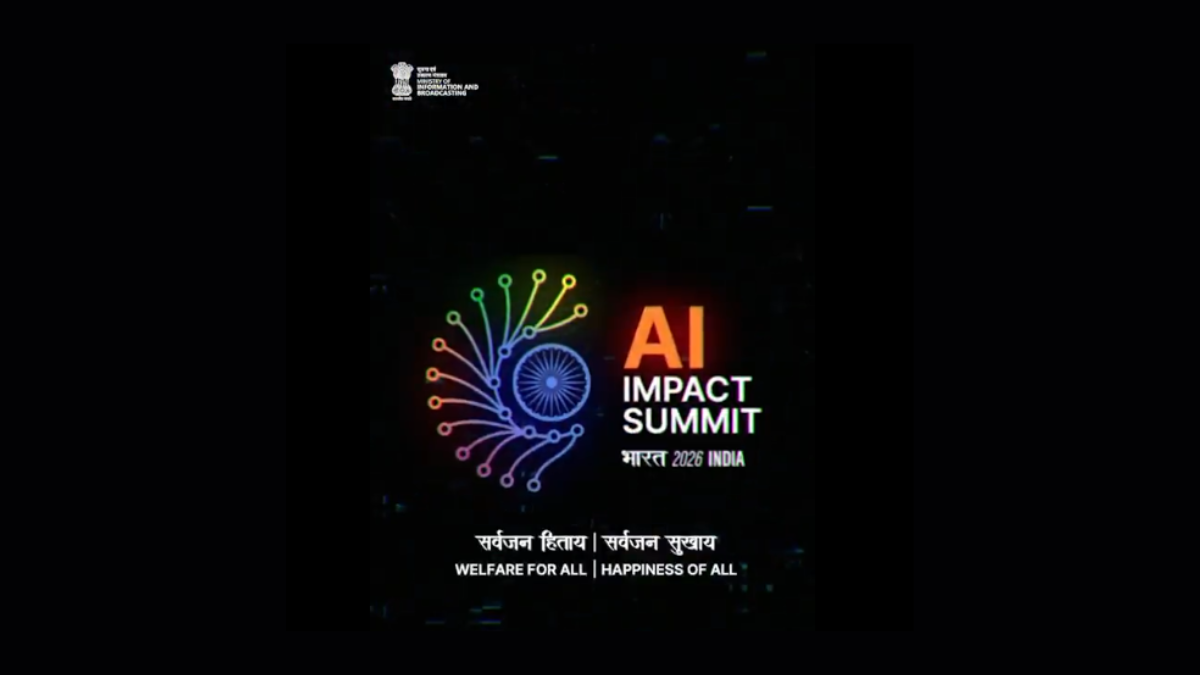
The Ministry of Electronics and Information Technology (MeitY) officially inaugurates the India-AI Impact Summit 2026 at Bharat Mandapam, New Delhi. This landmark event is the first global AI summit hosted in the Global South, gathering world leaders and tech titans to shape a human-centric AI future.
Redefining the Global AI Dialogue
Launched on February 16, 2026, the summit is a five-day roadmap (Feb 16–20) built on three foundational pillars or “Sutras”: People, Planet, and Progress. This summit transitions the global AI conversation from theoretical risks to real-world developmental outcomes.
The event features seven thematic “Chakras” covering critical domains like AI Skilling, Social Inclusion, and Safe & Trusted AI. With over 35,000 global registrations from 100+ countries, it showcases India’s “Tech Garage” capabilities. Key highlights include the AI Impact Expo (70,000 sq. meters) and the launch of the IndiaAI Impact Portal, where citizens can track real-time AI deployments.
Trivia: On February 17, the government will release the AI Compendium, a set of casebooks documenting proven AI applications in healthcare, agriculture, and education that are ready for large-scale deployment.
Why This Matters to You
This summit isn’t just for techies; it’s a blueprint for how AI will improve the daily lives of every Indian citizen, from toddlers to grandparents.
- For Children & Students: AI-powered “Personalized Tutors” are being integrated into platforms like DIKSHA, providing 1:1 learning support comparable to an extra year of schooling. It ensures children in remote villages have the same quality of education as those in metros.
- For the Youth & Professionals: The IndiaAI FutureSkills initiative is setting up AI Labs in Tier 2 & 3 cities. This creates a path for young Indians to enter high-paying tech roles without leaving their hometowns.
- For Farmers & Small Businesses: Tools like Kisan e-Mitra and the National Pest Surveillance System allow farmers to diagnose crop pests simply by taking a photo on a smartphone, protecting their livelihoods.
- For the Elderly & Families: AI in healthcare is enabling early disease detection and handheld TB screening that doesn’t require broadband. This means faster, cheaper, and more accurate diagnoses for senior citizens in rural areas.
Comparison: Global AI Safety vs. India’s Impact Focus
India’s summit differentiates itself by focusing on “Democratizing AI,” ensuring that compute and models are available to the masses.
| Feature | G7 AI Safety Summit | India-AI Impact Summit 2026 |
| Primary Focus | Existential Risk & Frontier Safety | Inclusion, Equity & Social Good |
| Pillar Concept | Regulatory Guardrails | People, Planet, Progress (Sutras) |
| Geographic Focus | Global North (Advanced Economies) | Global South (Developmental Focus) |
| Accessibility | Restricted to Policy/Big Tech | Register for Public Access |
UDHQ Take: The Institutionalization of Intelligence
At Unbox Daily HQ (UDHQ), we see this as the definitive pivot for “Brand India.” The “Life Difference” here is the democratization of opportunity. With initiatives like BHASHINI (voice-first digital governance), citizens can now interact with government services in their mother tongue without any literacy barriers.
For the UDHQ reader, the real value is in the “Social Inclusion Chakra.” It proves that AI in India is being “inclusive-by-design.” It’s not about machines replacing humans; it’s about a sovereign AI stack that empowers 1.4 billion people to work smarter, live healthier, and bridge the digital divide. This is the institutionalization of cultural pride through a professional, tech-heavy lens.
Source: Indiaai.Gov.