UNBOX DAILY HQ.: India’s First Launch Only Hub for Modern Lifestyle | 150+ New Launches Tracked Last Month Across India • 14 Categories • 1 Destination – UNBOX DAILY HQ.| EXPLORE BY CATEGORY: • BUSINESS & SERVICES | • CONSUMER DURABLES | • CONSUMER GOODS | • EDUCATION | • ENTERTAINMENT | • FINANCE | • LIFESTYLE | • HEALTH | • MOBILITY | • PUBLIC PULSE | • REAL ESTATE | • SPORTS | • TECHNOLOGY | • TRAVEL & HOSPITALITY | UNBOX DAILY HQ. – YOUR DAILY DOSE OF DISCOVERY! |
Meta’s 2026 AI Shield: New WhatsApp and Facebook Tools are Ending the “Digital Arrest” Era
Meta deploys a massive AI-driven security update across WhatsApp, Facebook, and Messenger to combat sophisticated "digital arrest" scams and celebrity impersonation, aiming for 90% verified ad revenue by the end of 2026.

Navi Mumbai | editorial@unboxdailyhq.com
The Essentials
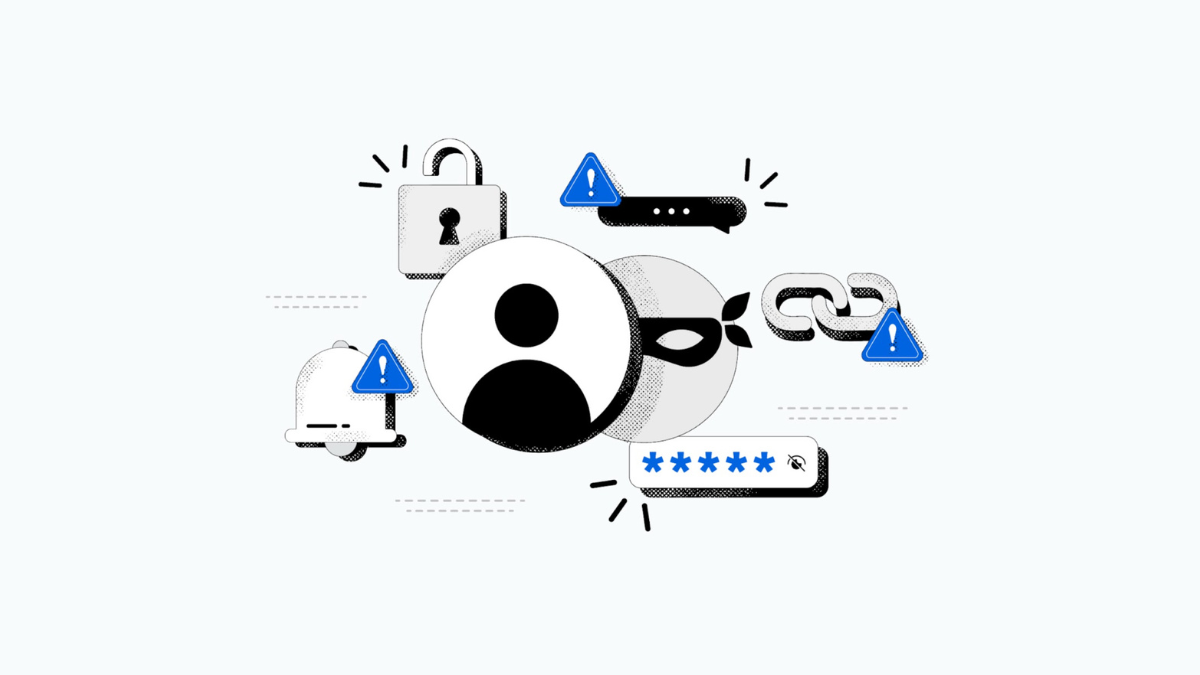
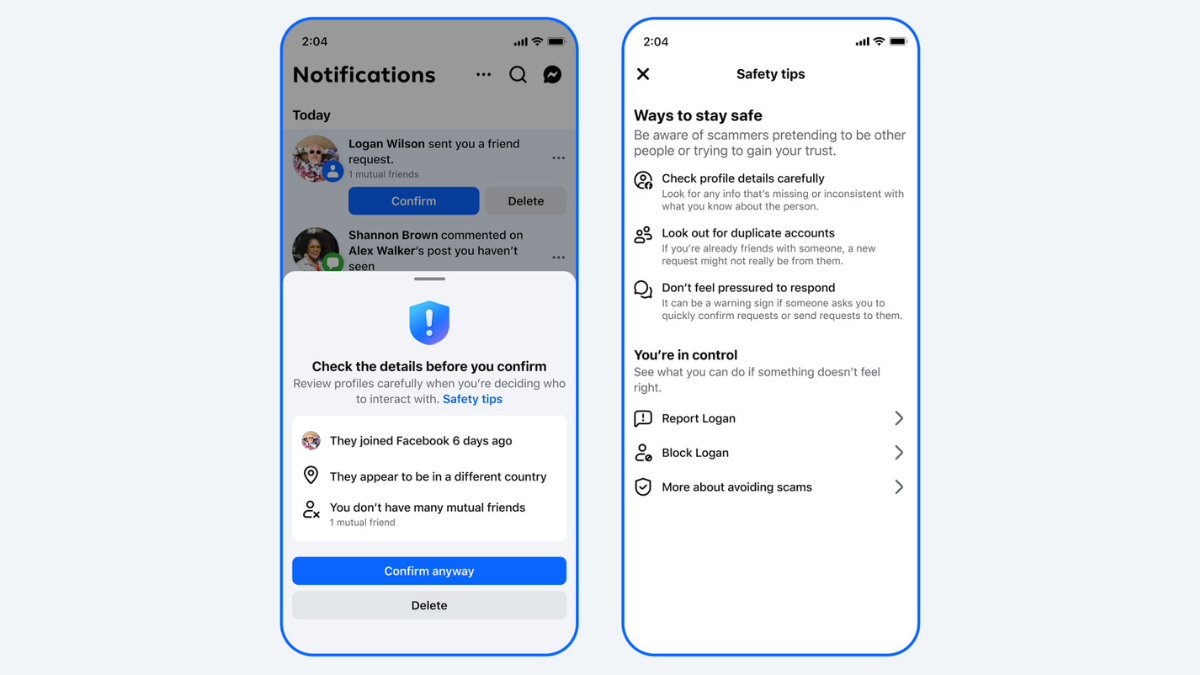
- Proactive Security Alerts: Meta has launched real-time warnings for suspicious device-linking on WhatsApp and “low mutual friend” alerts for Facebook friend requests to stop breaches before they happen.
- AI-Powered “Detective” Systems: New advanced AI models analyse text, images, and surrounding context simultaneously to detect “celeb-bait” and brand impersonation at an industrial scale.
- Global Enforcement Milestone: In coordination with the FBI and Royal Thai Police, Meta disabled over 150,000 accounts linked to Southeast Asian scam centers responsible for “digital arrest” and crypto fraud.
The Pulse
As of this morning, March 26, 2026, the digital landscape for scammers has become significantly more hostile. Meta’s latest rollout is a full-scale AI deployment designed to counter the “industrialization of scams”. The headline feature for WhatsApp addresses a major technical vulnerability: account hijacking via fraudulent device linking. Users now receive high-signal alerts if a linking request originates from an unusual location or follows a suspicious behavioural pattern. This prevents fraudsters from using fake “voting” or “talent hunt” pretexts to scan QR codes and gain account access.
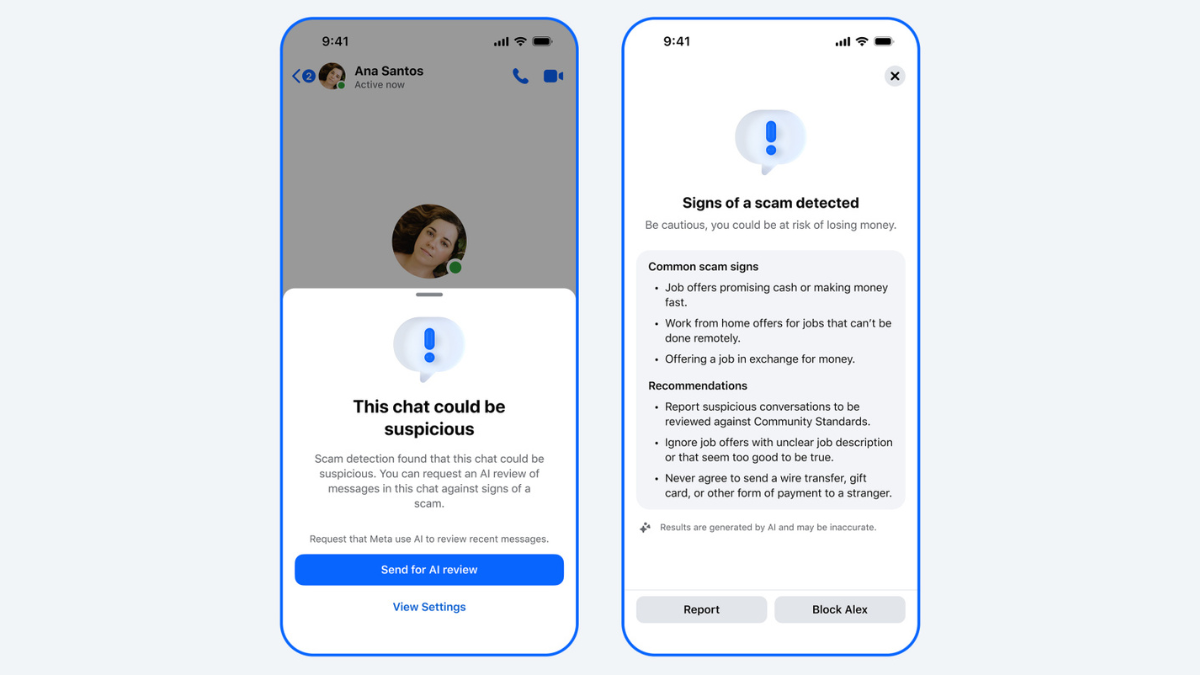
The Messenger experience is also evolving with an opt-in “AI Scam Review”. If a new contact dangles a “too-good-to-be-true” job offer, the AI identifies the linguistic patterns of a scam and asks the user to submit the chat for a deeper review. This backend intelligence is powered by models that can process far more contextual information than traditional filters, specifically targeting “celeb-bait” where manipulated images of public figures are used to push fraudulent schemes.
To help you stay ahead, here is the UDHQ Safety Audit Checklist you should run today:
- WhatsApp: Go to Settings > Linked Devices and ensure you recognize every active session.
- Facebook: Check your Privacy Center – if you receive a friend request with an “Alert” badge, block it immediately.
- Verification: Only interact with “Verified” advertisers; Meta is on track to have 90% of its ad revenue come from these verified businesses by December.
- Reporting: If you encounter a “Digital Arrest” threat (a fake video call from “police”), hang up and report it via the national cybercrime helpline 1930.
The Big Picture
We are currently witnessing a global “Zero Trust” arms race. While competitors like Google and Apple have tightened their privacy loops, Meta’s 2026 strategy is uniquely aggressive because it targets cross-border criminal networks at the source. The industry is shifting from simple “report and block” cycles toward pre-emptive disruption. By partnering with the I4C and SEBI in India, Meta is proving that digital safety requires an offline enforcement arm. This coordinated pressure is vital as scam centers in Myanmar and Cambodia increasingly resemble legitimate business operations, using AI to scale their deception.
The Inside Intel
The “Scam se Bacho” campaign, now in its third year, features veteran actor Neena Gupta. The initiative focuses on the “human” element of scams, the fake urgency and authority. Meta’s internal data shows that in 2025 alone, the company removed 159 million scam ads globally, with a staggering 92% taken down by AI before a single user could report them. In India, 12.1 million pieces of fraudulent ad content were banned in the last year alone.
The UDHQ Take
At Unbox Daily HQ, we believe this is the most significant step toward a “distraction-free” social experience. For years, the burden of spotting a scam was on you, the user. Meta’s 2026 roadmap finally shifts that burden back onto the platform. The real winner is the Messenger AI Scam Review. By allowing AI to serve as a digital bodyguard for “high-pressure” conversations, Meta is protecting the most vulnerable users like students and the elderly, who are often the primary targets of “digital arrest” syndicates.
It’s a bold move. Shifting to 90% verified ad revenue is a brave “safety-over-profit” stance. It turns the platform from an open bazaar into a curated, verified marketplace. For the average user in India, the combination of Neena Gupta’s relatability and these AI tools means your phone is finally working for your safety, not against it.
The Checkout
Verify Your Account Settings | WhatsApp Privacy Guide
The Source
Facebook | Meta