Thursday, May 28, 2026 |Navi Mumbai
--:-- | --°C | AQI --
If it's not on Unbox Daily HQ, it's not a Launch. Every product, policy and brand launch in India. One hub. What's new?
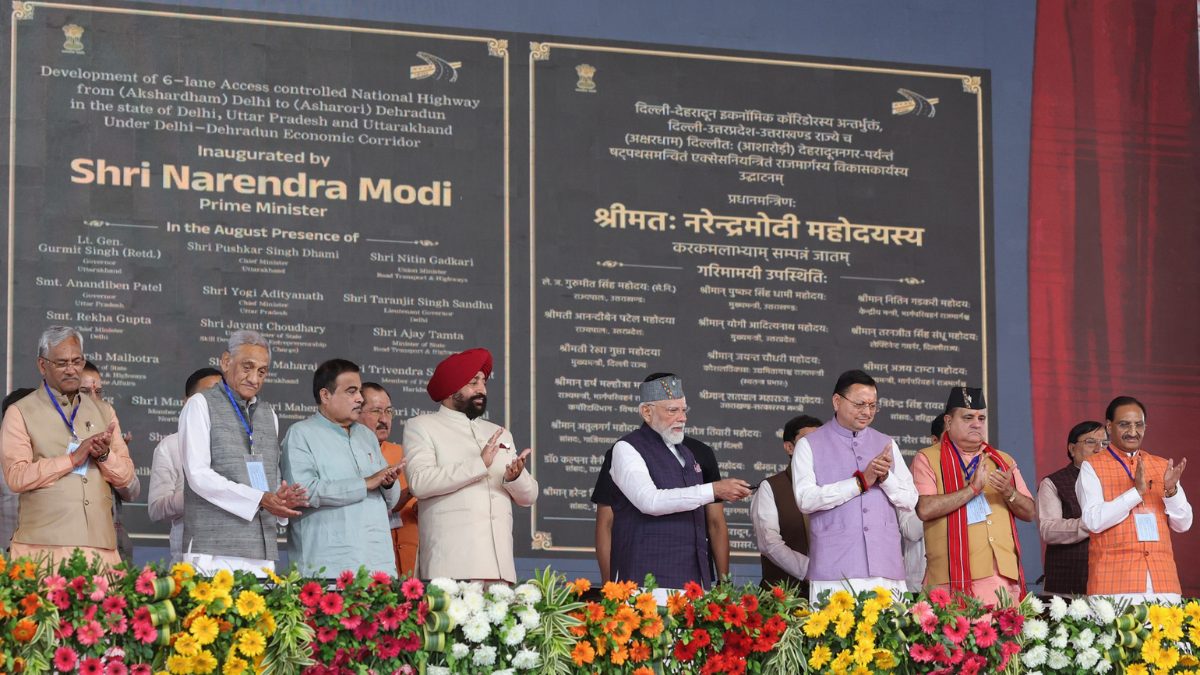
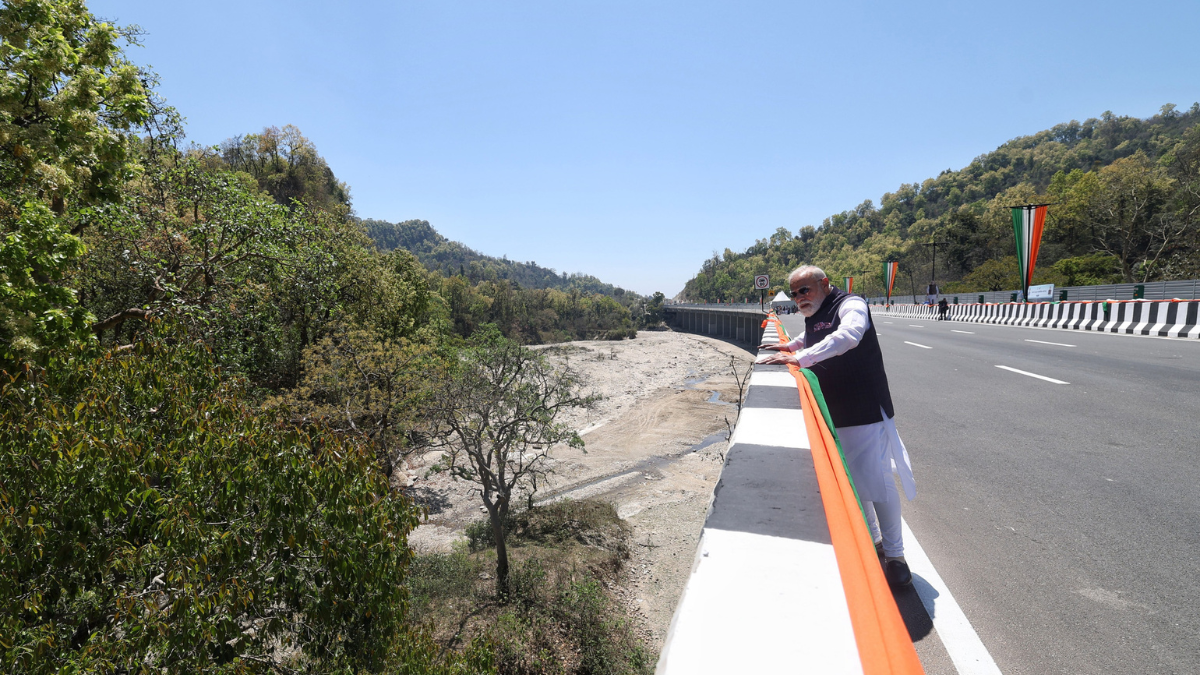
Prime Minister Narendra Modi has inaugurated the Delhi-Dehradun Economic Corridor, a 213 km engineering marvel. While it slashes travel time to just 2.5 hours, its real soul lies in its "green" design featuring Asia’s longest wildlife elevated corridor and high-tech measures to protect the Himalayan foothills' biodiversity.
The Essentials
The Pulse
The Delhi-Dehradun Economic Corridor is a masterclass in “Next-Gen Infrastructure”. Spanning 213 km and six lanes, the project cost over ₹12,000 crore and traverses Delhi, Uttar Pradesh and Uttarakhand. What makes this corridor special isn’t just the asphalt, but the Wildlife Corridor passing through the Shivalik Forest Division and Rajaji Tiger Reserve.
Engineers have integrated a 12 km elevated stretch with a vertical clearance of 6 to 7 meters, specifically designed to accommodate the height of an adult elephant. To further protect the inhabitants of the wild, the highway features specialized sound and light barriers, ensuring that high-speed traffic at night doesn’t disorient nocturnal hunters or migratory herds. It also includes eight dedicated animal passes and two 200-meter-long elephant underpasses. With an Advanced Traffic Management System (ATMS) monitoring every kilometer, this isn’t just India’s fastest road; it’s its most thoughtful.
The Snapshot
| Key Specification | Details |
| Total Distance | 213 km |
| Cost of Project | ₹12,000+ Crore |
| New Travel Time | 2.5 Hours (Down from 6+) |
| Wildlife Corridor Length | 12 km (Asia’s Longest) |
| Animal Underpasses | 8 General Passes + 2 Elephant Underpasses |
| Special Features | 370m Daat Kali Tunnel, Sound & Light Barriers |
| Environmental Impact | 33,840 Trees Saved; 1.95 Lakh Saplings Planted |
The Big Picture
ⓘ Sponsored: Unbox Daily HQ earns a commission if you buy through these links, at no extra cost to you. Prices shown are subject to change, and the actual price on Amazon at the time of purchase may vary from what is displayed here.
Globally, countries like Canada and the Netherlands are known for their “Ecological Bridges”. India has now entered this elite league. Unlike traditional infrastructure that acts as a wall to wildlife, this corridor acts as a bridge. By elevating the road rather than fencing it off, India is setting a global benchmark for how developing nations can scale up their economy without destroying their natural heritage. It stands as a direct response to the global call for “Sustainable Connectivity”.
The Inside Intel
The UDHQ. Take
At Unbox Daily HQ., we are often skeptical of “big builds” because of the hidden environmental costs. But this project is a genuine game-changer. For a traveller, this means you can leave Delhi after breakfast and be in Dehradun for an early lunch.
The real value however is the “Guilt-Free Speed”. Usually, high-speed roads through forests mean tragic roadkill and fragmented habitats. Here, for the first time in India, the wildlife has been given a “VIP pass”. The 12 km elevated stretch is essentially a massive roof for the forest. This project brings a new kind of value to the table: the ability to progress at 100 km/h while ensuring the elephant below you doesn’t even have to look up. It’s a verdict for a smarter, kinder India.
The Checkout
The Source
PIB.GOV.