Thursday, May 28, 2026 |Navi Mumbai
--:-- | --°C | AQI --
If it's not on Unbox Daily HQ, it's not a Launch. Every product, policy and brand launch in India. One hub. What's new?
The new facility bypasses Delhi to provide targeted disaster and tourist warnings across three northern mountain states.
The Essentials
The Pulse
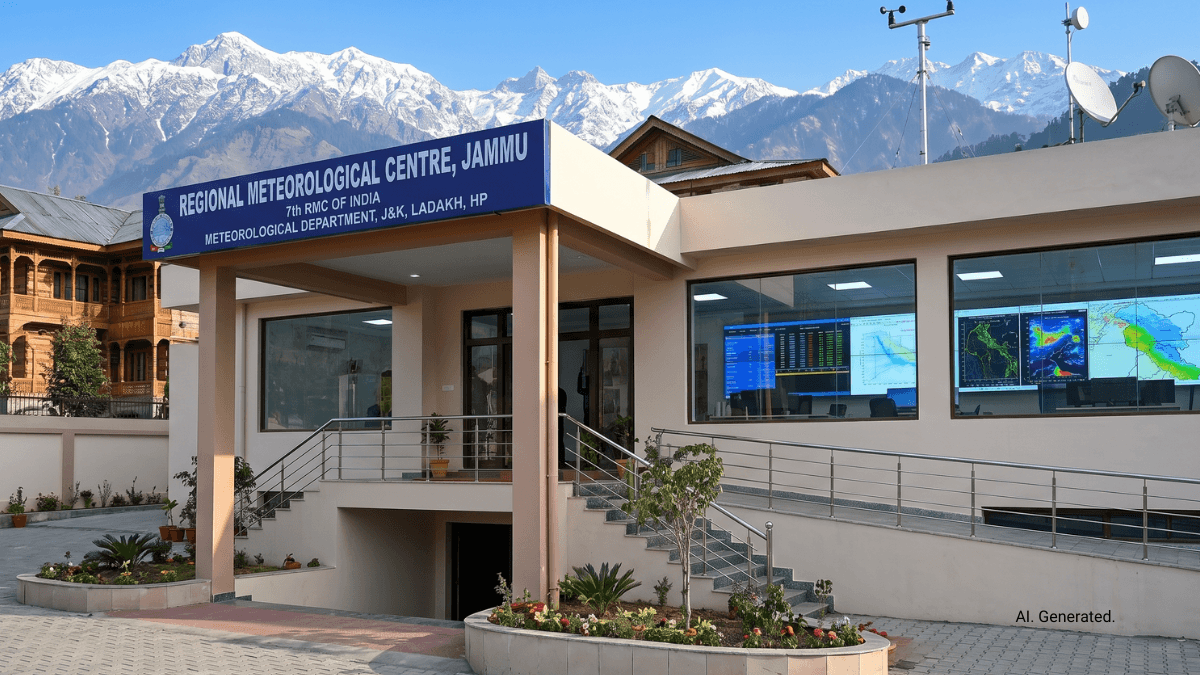
The Indian government just opened a dedicated regional weather forecasting hub in Jammu. Until now, early warnings for Jammu & Kashmir, Ladakh, and Himachal Pradesh came all the way from the central hub in Delhi. This administrative restructuring means mountain-specific weather data is finally being processed locally. The new centre provides district-level forecasts and dedicated tourist advisories that are crucial for people navigating unpredictable Himalayan terrain.
If you are wondering how accurate weather forecasts will be for the Amarnath and Vaishno Devi routes, the region now relies on a heavily expanded network of 25 automatic weather stations and four Doppler radars to track storms in real time.
The shift goes beyond basic rain predictions. The Jammu facility is built to handle the unique extremes of high-altitude environments. It provides targeted alerts for cloudbursts, avalanches, and landslides, directly benefiting transport operators, security forces, and pilgrims who need immediate notice before conditions turn unexpectedly dangerous on the mountains.
The Snapshot
ⓘ Sponsored: Unbox Daily HQ earns a commission if you buy through these links, at no extra cost to you. Prices shown are subject to change, and the actual price on Amazon at the time of purchase may vary from what is displayed here.
| Feature | Details |
| Facility | Regional Meteorological Centre Jammu |
| Governing Body | India Meteorological Department |
| Coverage Area | J&K, Ladakh, Himachal Pradesh |
| Operational Radars | 4 (Jammu, Srinagar, Leh, Banihal Top) |
| Observatories | 56 currently active |
| Future Expansion | Similar centre planned for Lucknow |
The Big Picture
India is actively decentralising its disaster management infrastructure to handle increasingly erratic climate events. Heavy reliance on the central Delhi meteorological office previously created bottlenecks for granular, hyper-local reporting in complex topographies. By shifting operational control closer to the Himalayas, the India Meteorological Department mirrors global best practices where mountain weather requires its own dedicated modeling. This necessary move aligns with recent upgrades by the National Disaster Management Authority to rapidly improve response times during unpredictable high-altitude cloudbursts and glacial lake outbursts.
The India Prospective
For anyone planning a trip to Spiti, Leh, or the Vaishno Devi shrine, this infrastructure directly improves travel safety. Instead of checking broad state-level forecasts, you will now have access to city-specific and route-specific warnings. The addition of automated weather stations at high-footfall pilgrimage sites means you get near real-time updates on your phone before encountering a sudden thunderstorm or landslide on steep Indian mountain roads.
The Inside Intel
The meteorological history in this region goes back much further than most people realise. While the newly opened Jammu centre represents a major leap in modern forecasting, the existing Srinagar Meteorological Observatory has actually been functioning for over a century. It holds such historical significance that the World Meteorological Organization officially recognises it as a Centennial Observing Station for its continuous climate records.
The Unboxed Truth
Unbox Daily HQ views this as a vital upgrade for domestic travel safety. If you regularly trek, ride motorcycles, or drive through northern mountain passes, these localised forecasts are worth checking daily. It takes the guesswork out of navigating routes notorious for sudden weather shifts. Keep an eye on local advisories before booking transport or starting a long ascent, as this specific regional data is now much more reliable.
Best for: frequent travellers and adventure riders who need reliable hyper-local weather data to safely navigate unpredictable high-altitude roads.
Who Is This For: Perfect for 22 to 50 frequent trekkers, pilgrims, and road-trippers in northern India who prioritise safety and preparation before heading into complex mountain terrain.
The Checkout
India Meteorological Department – India Page
The Source
Ministry of Science & Technology | PIB.GOV.
Yes, the new weather facility is fully operational and now manages forecasting services for Jammu u0026amp; Kashmir, Ladakh, and Himachal Pradesh. It has taken over regional operations from the Delhi office to coordinate data from 56 local observatories. The centre provides near real-time updates to help people plan for sudden high-altitude weather changes.
The Jammu centre processes meteorological data locally rather than routing tracking duties through the main Delhi hub. This administrative shift allows the facility to issue granular, district-level alerts and route-specific tourist advisories instead of broad state forecasts. It also utilizes four regional Doppler radars to track immediate mountain hazards like cloudbursts, flash floods, and avalanches.
These localized forecasts are designed for frequent trekkers, adventure riders, and pilgrims undertaking the Vaishno Devi or Amarnath yatras. Transport operators, disaster management agencies, and security forces navigating difficult northern terrains will also rely on these updates. Checking these route-specific alerts before travel helps eliminate guesswork and improves safety on unpredictable mountain roads.