Thursday, May 28, 2026 |Navi Mumbai
--:-- | --°C | AQI --
If it's not on Unbox Daily HQ, it's not a Launch. Every product, policy and brand launch in India. One hub. What's new?
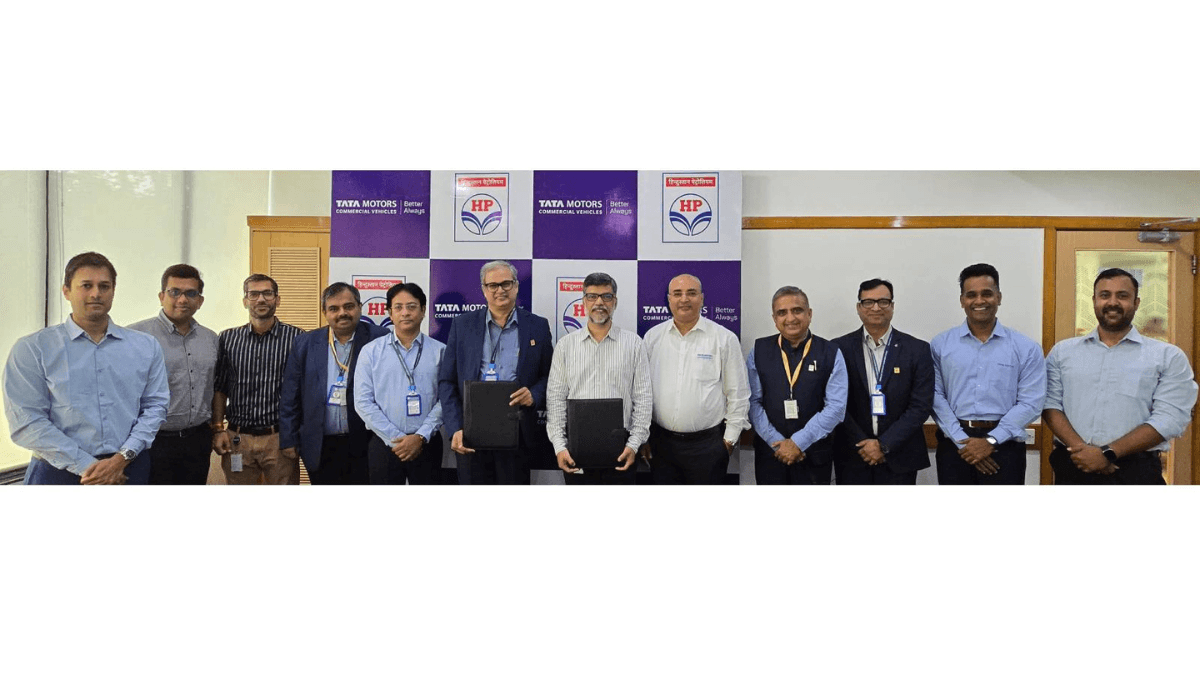
Two industry leaders are piloting a system to convert hazardous used automotive lubricants into refined base oil.
The Essentials
The Pulse
HPCL and Tata Motors are building a formal recycling network for used automotive lubricants across select Indian states. This joint pilot finally brings a traceable, organised process to a sector that has historically struggled with hazardous waste management on a national scale.
When a commercial vehicle goes in for routine maintenance, the used engine oil will now be systematically collected from authorised service centres and channelled to registered recyclers. Instead of risking environmental damage through improper disposal methods, this hazardous waste is converted back into high-quality re-refined base oil that can be reintegrated into finished products. The process prevents soil contamination and reduces the carbon footprint of transport operations.
This initiative directly addresses India’s tightening Extended Producer Responsibility regulations, which place the onus of lifecycle management on manufacturers. For fleet managers and transport businesses, it removes the headache of navigating complex environmental compliance. By anchoring the aggregation and transport through authorised mechanisms, the partnership ensures every drop of used oil is accounted for and handled safely. This move establishes a highly practical template for how large-scale industrial waste can be managed efficiently in the country, turning a long-standing logistical challenge into a resource recovery model.
The Snapshot
ⓘ Sponsored: Unbox Daily HQ earns a commission if you buy through these links, at no extra cost to you. Prices shown are subject to change, and the actual price on Amazon at the time of purchase may vary from what is displayed here.
| Detail | Specification |
| Energy Partner | Hindustan Petroleum Corporation Limited (HPCL) |
| Automotive Partner | Tata Motors Limited |
| Initiative | Used automotive lubricant recycling pilot |
| Output Material | Re-refined base oil |
| Collection Points | Over 4,500 Tata Motors service touchpoints |
| Implementation | Select Indian states (pilot phase) |
The Big Picture
The Indian commercial mobility sector is under increasing pressure to clean up its entire lifecycle, not just tailpipe emissions. While competitors like Ashok Leyland have focused heavily on alternative fuels, managing the sheer volume of consumable waste like engine oil remains a logistical challenge. This pilot creates a closed-loop system that sets a precedent for the entire sector. By establishing a traceable path from the service bay to the refinery, the industry moves closer to a genuine circular economy where hazardous byproducts are treated as valuable raw materials instead of disposable liabilities.
The India Prospective
For commercial fleet owners, the sheer scale of this rollout provides immediate relief. With Tata Motors utilising its network of over 4,500 sales and service touchpoints across the country, access to responsible disposal practices extends far beyond the four major metro cities. This integrates directly with existing maintenance contracts and data-driven fleet management tools, meaning regional operators do not need to build parallel systems just to meet stringent compliance targets.
The Inside Intel
While the focus here is on recycling, the sheer scale of HPCL’s primary operations puts the volume of potential waste into perspective. During the 2025-26 period, the corporation processed a record 26.04 million tonnes of crude oil and operated a petroleum product pipeline network stretching 5,440 kilometres. Reintegrating refined base oil back into a system of this massive magnitude could significantly alter how raw materials are sourced across the Indian energy sector.
The Unboxed Truth
Unbox Daily HQ. considers this pilot a much-needed structural fix rather than a standard corporate sustainability exercise. Commercial fleet operators and logistics companies should actively ensure their service schedules align with these authorised touchpoints. While it does not change the upfront cost of your vehicles, it completely removes the long-term liability and compliance headache of hazardous waste disposal. The ability to trace waste conversion into refined base oil makes this one of the most practical circular economy initiatives launched this year.
Best for: logistics business owners and commercial fleet managers who need a reliable, compliant way to manage vehicle maintenance waste.
Who Is This For: Perfect for 30 to 55-year-old transport operators in India who manage commercial vehicle fleets and want to streamline their environmental compliance.
The Checkout
The Source
Tata Motors India
The initiative is currently rolling out as a pilot programme across select Indian states. It will utilise Tata Motors’ existing network of over 4,500 sales and service touchpoints to ensure responsible disposal access extends far beyond major metro cities.
The used automotive lubricants are systematically aggregated at authorised service centres and transported by HPCL to registered recyclers. This hazardous waste is then formally converted into high-quality re-refined base oil that can be integrated back into finished products.
Commercial fleet operators and logistics business managers are the primary beneficiaries of this initiative. Utilising these authorised touchpoints allows them to safely dispose of maintenance waste while easily complying with India’s tightening Extended Producer Responsibility regulations.