Thursday, May 28, 2026 |Navi Mumbai
--:-- | --°C | AQI --
If it's not on Unbox Daily HQ, it's not a Launch. Every product, policy and brand launch in India. One hub. What's new?
The regional highway network just received a massive speed upgrade for long-distance drivers.
The Essentials
The Pulse
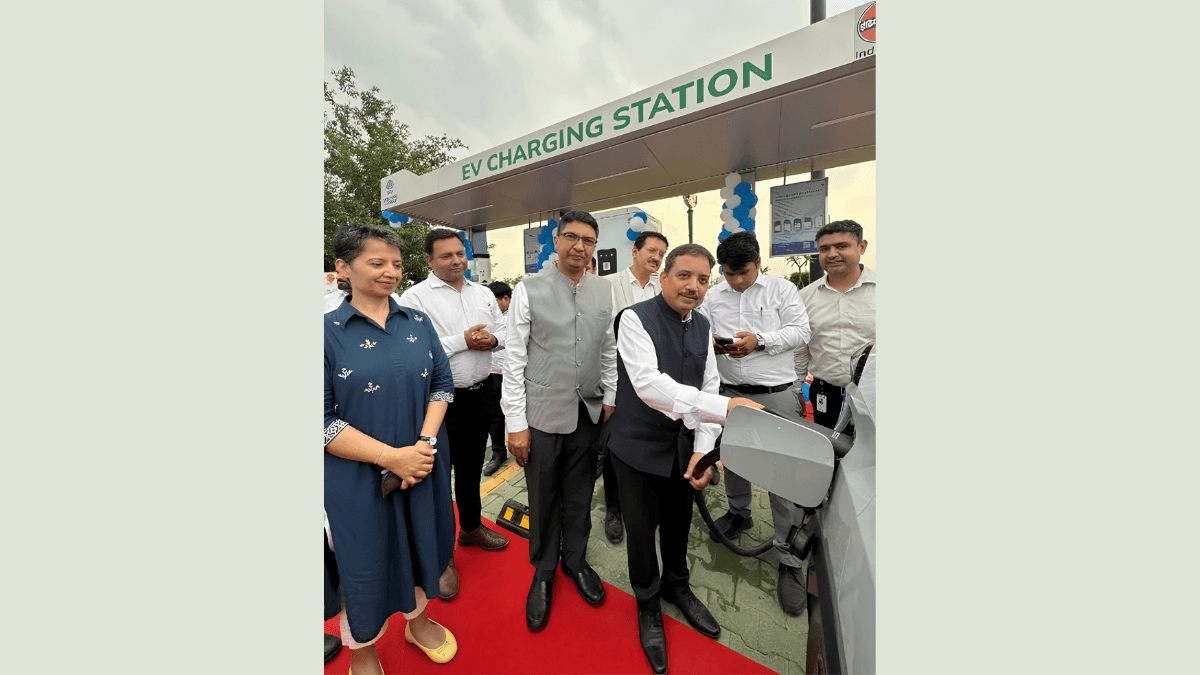
Driving an electric car from Delhi to Mumbai has always felt like a test of patience, mostly because public highway hardware tops out at speeds that turn a simple top-up into a long lunch. This joint expansion by Tata Power EV Charging Solutions and Indian Oil Corporation Ltd. alters that calculation by placing real high-speed infrastructure right on the main corridor.
By targeting the 63 and 69 milestone marks on the Haryana stretch, the brand has covered both sides of the carriageway. The 240 kW capability is the actual story here, providing enough raw electrical current to split between multiple vehicles without dropping down to a trickle.
How long does it take to charge an EV on the Delhi-Mumbai Expressway? While standard highway plugs require over an hour, this setup allows commuters to pull into the Indian Oil Wayside Amenities parking lot, connect to a high-speed gun, and restore significant range while grabbing a coffee.
Price details for this specific location are not yet confirmed. However, having this level of performance integrated into massive 18-hectare rest stops means you are no longer stranded in industrial zones while waiting for a battery percentage to climb.
ⓘ Sponsored: Unbox Daily HQ earns a commission if you buy through these links, at no extra cost to you. Prices shown are subject to change, and the actual price on Amazon at the time of purchase may vary from what is displayed here.
The Snapshot
| Attribute | Value |
| Station Locations | 63 Milestone and 69 Milestone, DME Haryana stretch |
| Maximum Power Output | 240 kW |
| Plugs Available | Four charging guns at the 63 Milestone station |
| Site Amenities | Indian Oil Wayside Amenities, Starbucks, McDonald’s, Subway |
| Total Brand Footprint | 6,700+ public and semi-public points across 690+ cities |
| India Price | Price not yet confirmed |
| Availability | Live and operational now |
The Big Picture
Long-distance electric mobility in India has long suffered from a classic chicken-and-egg dilemma. While passenger car manufacturers are building vehicles capable of accepting high-voltage power, standard highway networks are dominated by slower 30 kW or 60 kW stations from local operators like Statiq. Dropping a multi-gun 240 kW unit onto a major national highway sets a brand new baseline for transit infrastructure, forcing competitors to rethink their cross-country deployment strategies.
The India Prospective
Taking a premium electric vehicle out of municipal limits used to require hours of mapping out slow, unreliable regional plugs. This installation connects straight to the existing wayside infrastructure, matching modern premium vehicle capabilities with the actual voltage standards required to make interstate transit practical. It removes the standard psychological barrier that keeps urban owners from taking their cars on weekend intercity runs.
The Inside Intel
The chosen milestones are not just random highway turnoffs. These stations sit inside massive 18-hectare commercial ecosystems that operate like mini shopping centres, hosting major national and international retail brands alongside traditional village haats. It turns an engineering necessity into a standard retail break, blurring the line between a fuel stop and a lifestyle destination.
The Unboxed Truth
Unbox Daily HQ. views this as a vital turning point for multi-city car owners who have previously restricted their battery vehicles to daily office routes. If you regularly drive between Delhi and neighbouring regional hubs, the sheer charging speed of a 240 kW station removes the biggest functional penalty of moving away from diesel. It turns a stressful monitoring exercise into a predictable stop.
Best for: Urban electric vehicle owners who want to use their cars for long-distance highway travel without experiencing severe time penalties.
Who Is This For: Perfect for 30 to 45 year old working professionals in major transit hubs who have delayed buying an EV due to highway range anxiety.
The Checkout
Tata Power EZ Charge – India Page
The Source
Tata Power India
Yes, the new ultra-fast charging stations are fully operational on the Haryana stretch of the Delhi-Mumbai Expressway. You can access them directly at the 63 and 69 milestone marks within the Indian Oil Wayside Amenities parking zones. Exact local pricing details per unit have not yet been confirmed by the brand.
Unlike typical highway options that top out at 30 kW or 60 kW and require over an hour to supply meaningful power, this station delivers a maximum output of 240 kW. It features four active charging guns at the milestone 63 site, allowing multiple vehicles to plug in simultaneously without suffering from a severe drop in electrical current. This high-capacity setup dramatically cuts down total waiting times during long-distance road trips.
This network is highly practical for urban electric vehicle owners who want to take their cars on weekend intercity journeys without experiencing heavy time penalties. Connecting high-speed hardware with major 18-hectare rest hubs makes highway transit predictable and less stressful. If you regularly commute on this corridor, the setup effectively eliminates severe battery range anxiety.