Thursday, May 28, 2026 |Navi Mumbai
--:-- | --°C | AQI --
If it's not on Unbox Daily HQ, it's not a Launch. Every product, policy and brand launch in India. One hub. What's new?
WhatsApp Bill payments simplifies service management by allowing users to monitor several properties simultaneously.
The Takeaway
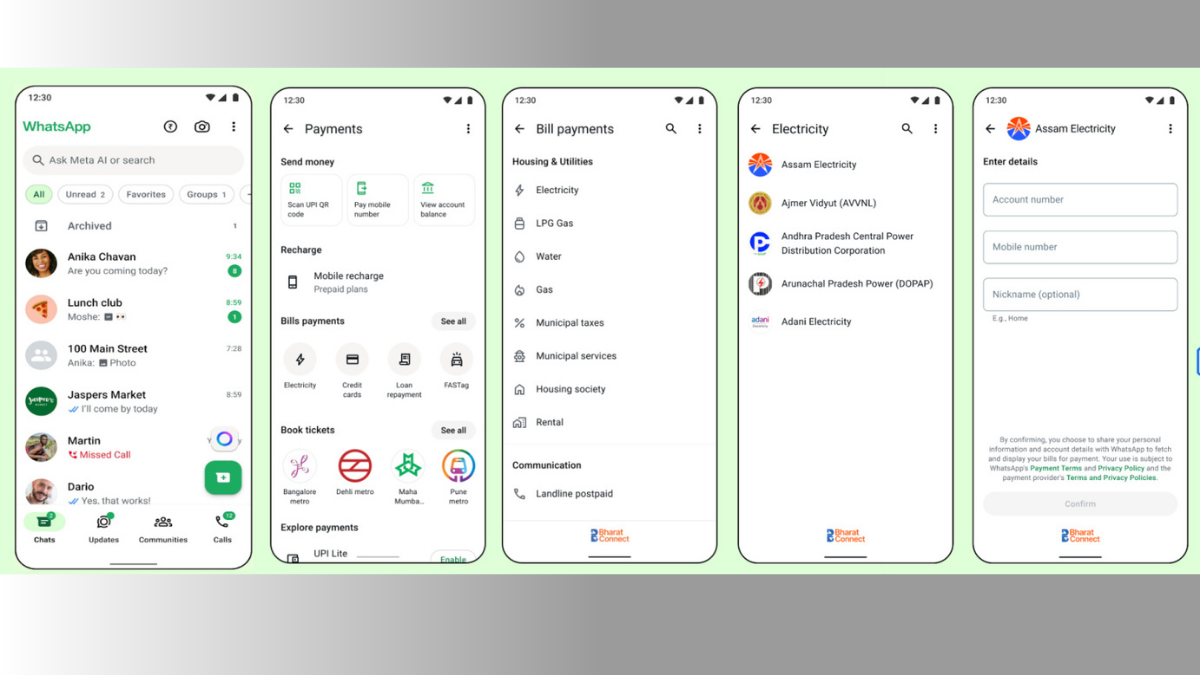
WhatsApp integrates native household financial management into its core messaging application. This ambitious rollout aims to bring modern digital convenience to users across both urban hubs and remote Indian regions. Navigating the system is highly straightforward. The software interface highlights popular service types directly on the initial screen while tucking remaining options behind an expansion menu.
Initiating a transaction requires selecting a provider and confirming specific account details once. The platform then displays the exact required amount securely before checkout. These app enhancements join other regional updates, as New security features replace standard PINs in the WhatsApp update.
The standout capability is the centralized summary screen for tracking several properties linked to one utility provider. Monitoring home and office accounts simultaneously happens without ever leaving the messenger. Previously cleared billers surface automatically for quick repeat access. This eliminates the need to juggle separate dedicated applications just to monitor varying due dates.
WhatsApp Bill payments availability details
| Specification | Detail |
| Total supported billers | 22,722 |
| Compatible operating systems | Android and iOS |
| Accepted transaction methods | UPI, Debit Cards, Credit Cards |
| Release window | Gradual rollout over coming weeks |
This expansion deepens the messaging software’s utility within daily Indian life. Local users already rely on the platform to book metro tickets across major cities. Government chatbots also provide citizen services through this same familiar interface. Bringing recurring household invoices into this unified ecosystem removes significant friction from monthly routines.
ⓘ Sponsored: Unbox Daily HQ earns a commission if you buy through these links, at no extra cost to you. Prices shown are subject to change, and the actual price on Amazon at the time of purchase may vary from what is displayed here.
The Unboxed Truth
Unbox Daily HQ finds genuine value in the new WhatsApp Bill payments setup. You no longer need separate applications cluttering your phone just to keep the lights on. Automating the invoice retrieval process inside an app you already open frequently solves a real annoyance. Keeping track of varying due dates manually takes unnecessary time. Centralising everything under one roof streamlines your monthly budget routine effortlessly.
Best for: Managing multiple property utilities from a single mobile dashboard.
Who Is This For: Smartphone users aged 25 to 50.
Courtesy: WhatsApp
he WhatsApp Bill payments feature is currently undergoing a gradual rollout across India over the coming weeks. It will become available to all Android and iOS users directly within their existing application. Accessing the system simply requires tapping the dedicated Rupee icon at the top of the chat interface.
The standout capability is the centralised summary screen that tracks several properties linked to a single utility provider. Users can monitor home and office accounts simultaneously without leaving the messenger. Previously cleared billers surface automatically to eliminate the need to juggle separate dedicated applications for varying due dates.
Unbox Daily HQ finds genuine value in this setup for managing multiple property utilities from a single mobile dashboard. It completely automates the invoice retrieval process and removes the need for separate cluttering applications. This unified service is strictly for smartphone users aged 25 to 50.