Thursday, May 28, 2026 |Navi Mumbai
--:-- | --°C | AQI --
If it's not on Unbox Daily HQ, it's not a Launch. Every product, policy and brand launch in India. One hub. What's new?
Honda secures ARAI and ICAT certification for its Japanese wind tunnel to meet India's 2027 WLTP emissions mandate.
The Essentials
The Pulse
Honda Cars India secures certification from the Automotive Research Association of India and the International Centre for Automotive Technology for its Tochigi-based wind tunnel facility. This approval permits the manufacturer to conduct critical emissions and aerodynamic testing in Japan for vehicles destined for the Indian market.
What does the WLTP mandate mean for domestic buyers?
It replaces older testing cycles with procedures designed to reflect actual on-road driving conditions, leading to more realistic fuel economy figures on dealership stickers. The United Nations Economic Commission for Europe developed this system, which already operates across Japan, South Korea, and Europe.
The certification arrives ahead of a major regulatory shift. By approving overseas testing infrastructure now, the domestic certification agencies provide manufacturers a clear pathway to clear future models without facing compliance bottlenecks as the deadline approaches.
ⓘ Sponsored: Unbox Daily HQ earns a commission if you buy through these links, at no extra cost to you. Prices shown are subject to change, and the actual price on Amazon at the time of purchase may vary from what is displayed here.
The Breakdown
The technical certification specifically addresses ‘Vehicle Road Load Determination’ under the AIS:175 standard. The testing protocol requires the simultaneous operation of a wind tunnel facility and chassis dynamometer systems. This combined hardware approach allows engineers to precisely measure how aerodynamic drag and mechanical resistance affect energy consumption and exhaust emissions. By simulating varied driving resistances physically rather than relying solely on mathematical models, the facility generates the exact raw data required for the Worldwide Harmonised Light Vehicle Test Procedure calculations.
The Distinction
The structural shift here lies in cross-border regulatory integration. Rather than building parallel testing infrastructure domestically, this certification establishes a direct procedural bridge between a Japanese research and development facility and Indian statutory requirements. The integration allows domestic agencies to accept ‘Vehicle Road Load Determination’ data generated overseas using combined wind tunnel and chassis dynamometer testing. This mechanism prevents duplicated homologation efforts while ensuring upcoming domestic market vehicles meet exact local compliance standards through established international testing architecture.
The Snapshot
| Specification | Detail |
| Certification Agencies | ARAI and ICAT |
| Facility Location | Tochigi, Japan |
| Applicable Standard | AIS:175 |
| Mandate Requirement | WLTP adoption |
| Implementation Date | April 1, 2027 |
| Primary Measurements | Fuel consumption, energy consumption, exhaust emissions |
The Big Picture
The Indian automotive sector operates on domestic testing cycles that often produce fuel efficiency figures far higher than what owners experience daily. The transition to the Worldwide Harmonised Light Vehicle Test Procedure aims to close this gap. By aligning domestic standards with European and Japanese testing frameworks, the regulatory bodies force manufacturers to report figures closer to real-world usage, fundamentally altering how cars are marketed and evaluated by buyers across the country.
The India Prospective
For Indian buyers looking to purchase a vehicle late in this decade, this regulatory shift means an end to highly inflated mileage claims. When the mandate takes effect, buyers comparing vehicles will base their running cost calculations on figures that closely match dense city traffic and variable highway speeds across Indian infrastructure, removing the traditional guesswork from estimating monthly fuel budgets.
The Inside Intel
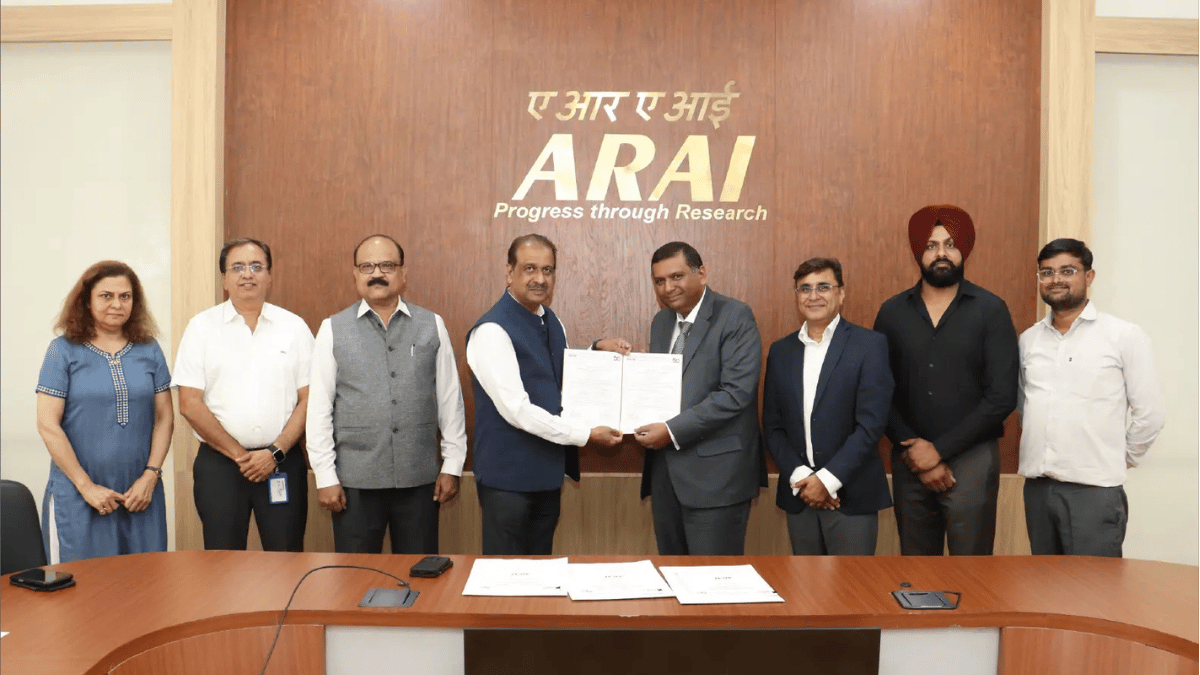
The certificates from ARAI and ICAT were physically handed over to Honda’s domestic leadership by the directors of both testing agencies, highlighting the unusual diplomatic weight of certifying foreign-soil infrastructure for domestic regulatory compliance.
The Unboxed Truth
Unbox Daily HQ considers this procedural milestone a necessary step towards transparency in the domestic car market. The current testing regime routinely frustrates buyers who calculate their monthly running costs based on brochure figures, only to find real-world efficiency falling short by a significant margin. At a time when fuel prices directly dictate household budgets, switching to a testing model that replicates actual driving resistance rather than controlled laboratory cruising is vital. By securing certification for its Japanese wind tunnel ahead of the 2027 deadline, this manufacturer guarantees its future pipeline avoids the homologation delays that often plague new regulatory transitions.
Best for: Prospective car buyers mapping out long-term vehicle purchases who value accurate running cost projections over theoretical maximums.
Who Is This For: Perfect for 28 to 45-year-old urban commuters in metropolitan areas who track their daily fuel expenses and prefer transparent efficiency data.
The Checkout
Honda Cars India – Official Site
The Source
Honda Cars India Ltd.
The Query
The WLTP certification requirements for Indian models become mandatory on 1 April 2027 under the AIS:175 regulatory standard. Honda has secured advanced approval from ARAI and ICAT for its Tochigi facility in Japan to test future models early. This ensures regulatory compliance without local testing bottlenecks.
The Worldwide Harmonised Light Vehicle Test Procedure measures fuel economy and emissions using real-world driving resistances rather than controlled laboratory environments. Unlike current domestic testing cycles that produce inflated mileage claims, this framework accounts for genuine aerodynamic drag and mechanical friction. This ensures consumer brochures reflect actual road performance.
Yes, cars certified under the new WLTP framework are worth prioritising for urban commuters who track daily fuel expenses. The transparent data removes traditional guesswork from monthly budgeting by providing highly accurate running cost projections. This protects buyers from the heavily inflated efficiency figures common under older testing regimes.