Thursday, May 28, 2026 |Navi Mumbai
--:-- | --°C | AQI --
If it's not on Unbox Daily HQ, it's not a Launch. Every product, policy and brand launch in India. One hub. What's new?
These third-generation Silicon Carbide components promise longer driving ranges without requiring larger battery packs.
The Essentials
The Pulse
Bosch’s third-generation Silicon Carbide (SiC) semiconductors deliver a 20 percent performance boost to electric vehicle power systems in India. The chips sit inside the inverter, managing the flow of energy from the battery to the electric motor to ensure minimal power is lost as heat.
If you are wondering what Silicon Carbide actually does in an EV, it allows the electrical components to operate at higher voltages and temperatures more efficiently than standard silicon, directly translating to longer driving ranges.
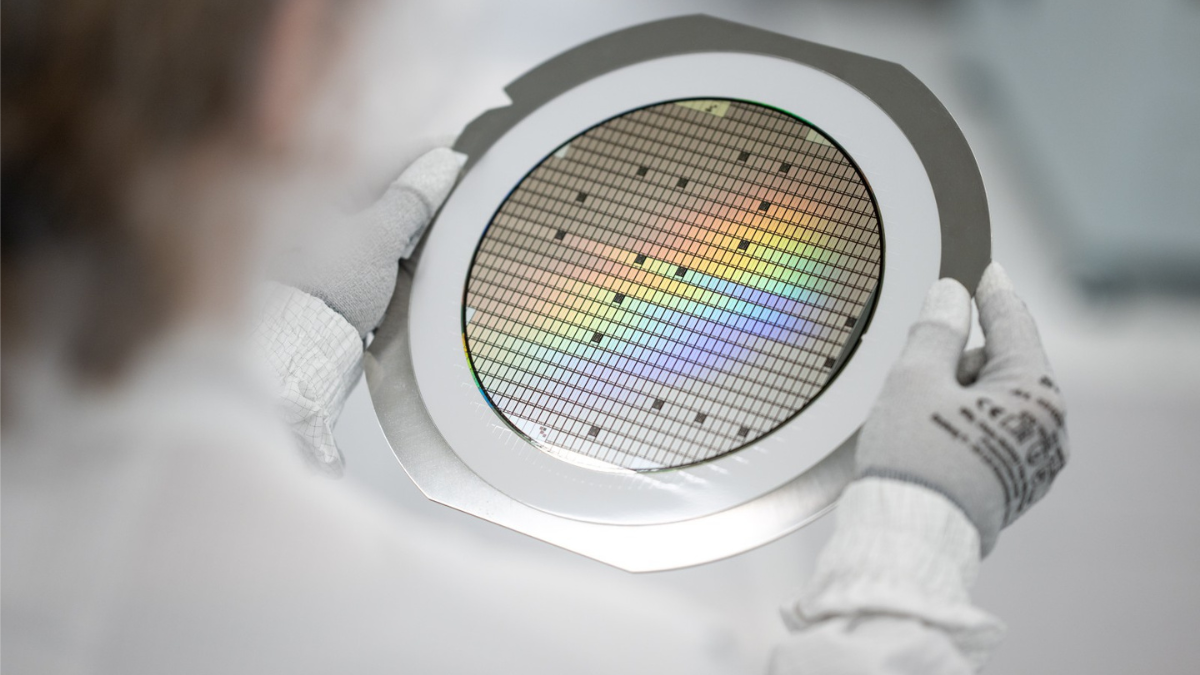
Until now, advanced SiC technology usually appeared in premium electric vehicles because of the high manufacturing costs. Bosch changes this equation through miniaturisation, producing more chips per wafer to drive down the unit cost. This means mass-market Indian electric vehicles can now utilise the same high-efficiency electronics previously reserved for luxury models. This shift is essential for local automakers looking to build scalable, sustainable transport options that everyday buyers can actually afford.
The Snapshot
ⓘ Sponsored: Unbox Daily HQ earns a commission if you buy through these links, at no extra cost to you. Prices shown are subject to change, and the actual price on Amazon at the time of purchase may vary from what is displayed here.
| Detail | Specification |
| Product | Third-generation Silicon Carbide (SiC) chips |
| Manufacturer | Bosch |
| Performance Increase | Approximately 20 percent |
| Key Function | Controls energy flow in EV inverters |
| Global Deliveries | Over 60 million SiC chips to date |
| India Price | Enterprise pricing (varies by contract) |
The Big Picture
India’s electric vehicle market is rapidly shifting from early adoption to mass production, with local manufacturers like Tata Motors and Mahindra racing to offer longer ranges at lower prices. The global semiconductor supply chain has often been a bottleneck for this expansion. By localising the deployment of its advanced power electronics, Bosch creates a more resilient supply network for Indian automakers. This move bridges the gap between global semiconductor expertise and domestic manufacturing, ensuring Indian EVs can compete on efficiency without importing overpriced, pre-assembled inverters.
The India Prospective
For the Indian car buyer, this component upgrade tackles the two biggest anxieties around electric vehicles: range and price. Because automakers can extract more distance from existing battery sizes, they do not have to pass the cost of larger battery packs down to the consumer. This paves the way for a new wave of budget-friendly electric cars that can easily handle intercity highway driving without frequent charging stops.
The Inside Intel
The cost reduction in these new chips comes down to physical space rather than cheaper materials. Bosch relies on extreme miniaturisation, which allows them to slice significantly more individual chips from a single silicon carbide wafer. By maximising the yield from every manufactured wafer, they transform a premium, historically expensive component into something viable for everyday, mass-market vehicles.
The Unboxed Truth
Unbox Daily HQ considers this a critical invisible upgrade that will make your next electric vehicle noticeably better. You will never buy this chip off a shelf, but its presence inside your next car dictates how often you need to plug in and how much you pay upfront. It is a necessary step forward for the Indian market, where buyers rightly demand maximum range for their money. This is the exact hardware foundation India needs to finally make budget electric cars viable for single-car households.
Best for: Indian electric vehicle manufacturers and supply chain partners who need scalable power electronics to build mass-market cars
Who Is This For: Perfect for 28 to 45-year-old prospective EV buyers in urban India who want highway-capable driving ranges before making the switch from petrol
The Checkout
The Source
Bosch India
The Query
Bosch third-generation Silicon Carbide chips use enterprise pricing that varies by contract, meaning individual component prices are not publicly confirmed. These components are supplied directly to automakers to enable more affordable mass-market electric vehicles. Local deployment supports India’s growing mobility sector.
Bosch third-generation Silicon Carbide chips deliver approximately 20 percent higher performance than standard silicon by reducing energy losses and improving thermal management inside the inverter. The manufacturing relies on extreme miniaturisation to fit more chips on a single wafer. This lowers system complexity and reduces cooling requirements for vehicles.
Yes, these components are highly valuable for Indian manufacturers aiming to build budget-friendly electric vehicles with longer highway ranges. The technology reduces the total cost of ownership by eliminating the need for larger, heavier battery packs. It provides the exact hardware foundation required to make mass-market cars viable.