Thursday, May 28, 2026 |Navi Mumbai
--:-- | --°C | AQI --
If it's not on Unbox Daily HQ, it's not a Launch. Every product, policy and brand launch in India. One hub. What's new?
Beyond physical postures, this ancient eight-limb framework actively shifts your nervous system from fight to rest.
The Essentials
The Pulse
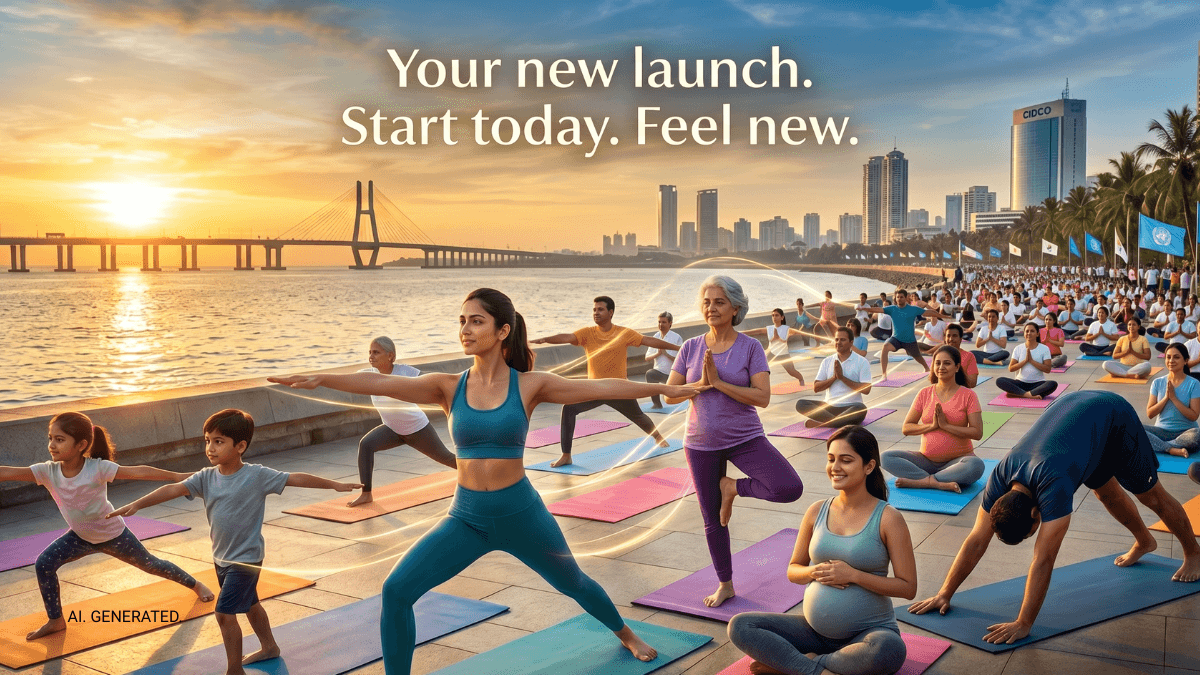
The 12th International Day of Yoga marks another year of global participation for a framework that originated in Northern India. Forget what you see in expensive fitness studios. This ancient practice is fundamentally a deep biological intervention. While modern classes focus heavily on physical postures, the complete eight-limb system outlined by Maharishi Patanjali covers everything from ethical disciplines to sensory withdrawal.
For working professionals navigating digital saturation and corporate pressure, the mechanism is highly practical. How does breathwork actually help a stressed mind? It acts as a direct biological tool to shift your autonomic nervous system from a sympathetic fight-or-flight response to a parasympathetic rest-and-digest state.
The adaptability of this science means it meets distinct biological needs across demographics. Men can trade rigid force for functional mobility, while women find support for endocrine health during hormonal transitions. From kids requiring an anchor against screen-fragmented attention to peak performers accelerating their athletic recovery, the practice remains completely accessible to anyone willing to start.
The Snapshot
ⓘ Sponsored: Unbox Daily HQ earns a commission if you buy through these links, at no extra cost to you. Prices shown are subject to change, and the actual price on Amazon at the time of purchase may vary from what is displayed here.
| Parameter | Details |
| Practice | Yoga (from Sanskrit root Yuj) |
| Origin | Indus-Sarasvati civilisation, Northern India |
| Historical Age | Over 5,000 years |
| First Yogi | Shiva (Adiyogi) |
| Key Text | Yoga Sutras by Maharishi Patanjali |
| Core Framework | Ashtanga (The Eight Limbs) |
| Global Recognition | UN declaration on 11 December 2014 |
| Pricing | Free (Open-source practice) |
The Big Picture
The global preventive healthcare market is increasingly adopting ancient Indian systems as essential adjunct therapies. While modern pharmaceutical interventions address acute symptoms, open-source frameworks like yoga and Ayurveda focus on biological longevity and cellular regeneration. Following India’s record-breaking consensus proposal at the United Nations in 2014, the practice has successfully bridged cultural borders. As digital fatigue peaks globally, its integration into school curriculums and medical treatment plans demonstrates a vital shift from viewing this as a spiritual pursuit to recognising it as public health infrastructure.
The India Prospective
This ancient Northern Indian technology requires no contemporary fitness studio membership, making it completely accessible to everyone. For an urban Indian professional managing heavy workplace demands and digital saturation, it serves as an open-source architecture to lower cortisol and build functional strength. You can simply unroll your mat at any moment to initiate a profound psychological reset, replacing internal chaos with quiet clarity.
The Inside Intel
According to ancient yogic lore, the original transmission of this science did not happen in a studio or a text, but through Shiva. Recognised as the Adiyogi, or the first yogi, he passed this transformative technology to his seven disciples, known as the Saptarishis. These seven individuals then carried the systematic method of human mastery to different corners of the globe.
The Unboxed Truth
Unbox Daily HQ views this 5,000-year-old framework as the ultimate zero-cost investment in your biological longevity. Working professionals managing high-stress environments should actively integrate this into their routines, as the return on investment for a free, open-source tool is unmatched. The single element that makes it worth dedicating your mornings to is its reliance on neuroplasticity, using conscious breath to literally rewire your nervous system and heal cellular damage. Start with a basic pranayama routine today and let your body adapt.
Best for: Stressed corporate professionals and digital workers who need a practical, science-backed method to lower daily cortisol.
Who Is This For: Perfect for 28 to 50-year-old busy urban residents in demanding environments who want to regain emotional resilience and physical agency.
The Checkout
Ministry of Ayush – India Page
The Source
Ministry of Ayush
The Query
The ancient eight-limb framework is entirely free because it functions as an open-source biological upgrade. You do not need to pay for an expensive contemporary fitness studio membership to access this technology. An individual can simply unroll a mat at any moment to initiate the routine.
Modern pharmaceutical interventions generally focus on treating acute symptoms. In contrast, this traditional system targets long-term biological longevity and continuous cellular regeneration. It utilises breathing techniques to actively shift the autonomic nervous system away from stress.
This routine is ideal for busy urban residents and stressed corporate professionals working in high-pressure environments. It is highly worth the time investment because it uses neuroplasticity to systematically lower daily cortisol levels. Committing to the practice helps individuals regain emotional resilience and physical agency.