Thursday, May 28, 2026 |Navi Mumbai
--:-- | --°C | AQI --
If it's not on Unbox Daily HQ, it's not a Launch. Every product, policy and brand launch in India. One hub. What's new?
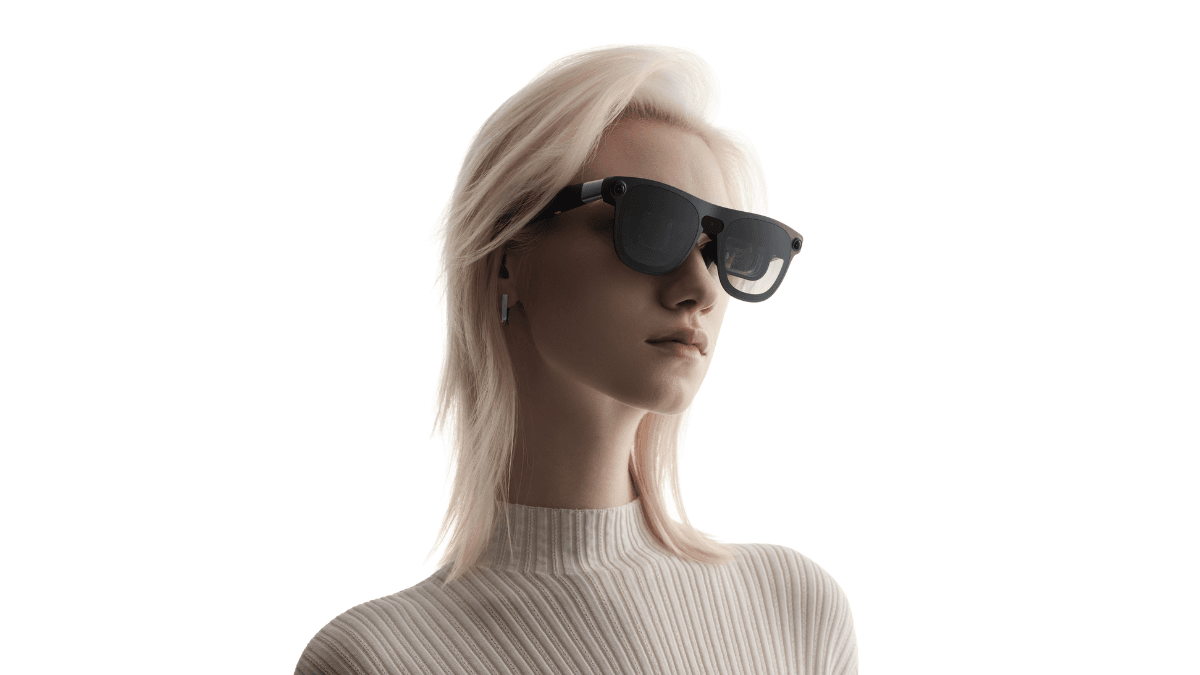
By moving the main processor to a pocketable puck, the frames stay light while projecting a massive 70-degree display.
The Essentials
The Pulse
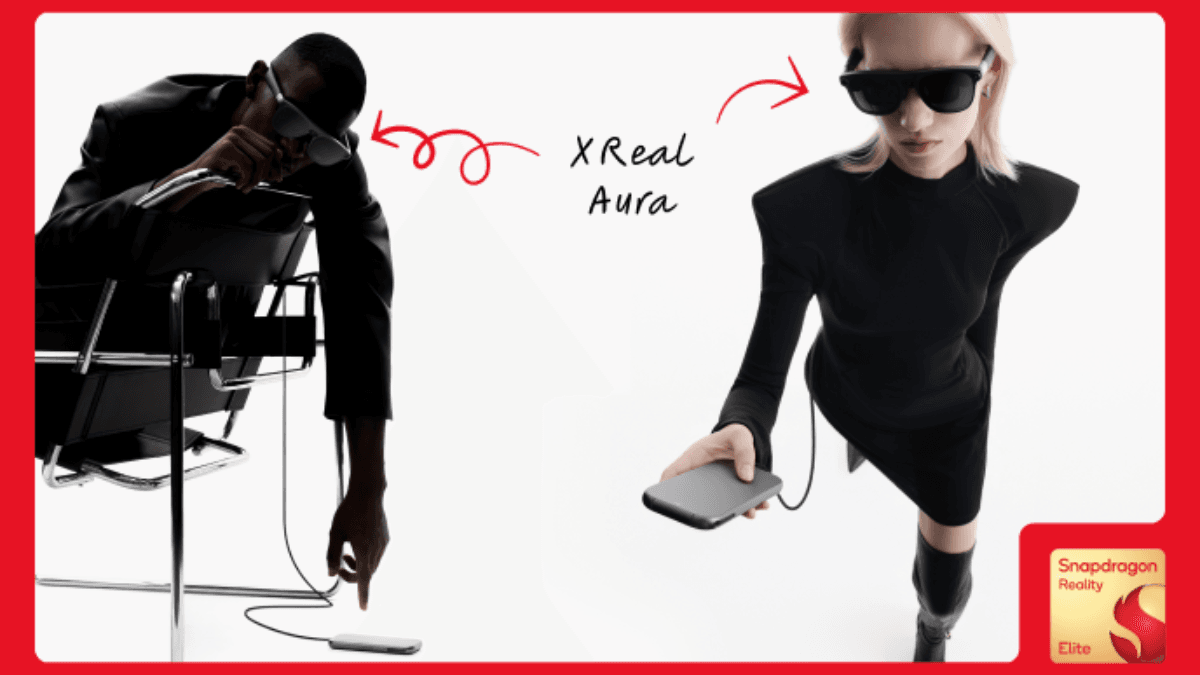
These optical see-through glasses rely on a split-compute architecture to solve the biggest problem with face-worn technology. Rather than cramming batteries and processors into the frames, XREAL moved the Snapdragon Reality Elite platform into a separate tethered puck. The glasses only house the display and sensor processors, keeping the physical frames cool and comfortable for extended wear.
The product releases globally in late 2026 across the US, UK, Japan, South Korea, and select European markets, though India availability remains unconfirmed. What makes these different from standard virtual reality headsets is the true optical passthrough. You look directly through the lenses at the physical world without any camera delay, while digital overlays sit naturally in your field of view.
A massive 70-degree field of view gives spatial applications far more room to operate compared to standard smart glasses. Because the system runs on Android XR, users get immediate access to YouTube, Chrome, Maps, and millions of existing Google Play applications. If you need to focus or watch a film, electrochromic dimming lets you block out ambient light instantly to turn the lenses completely dark.
The Snapshot
ⓘ Sponsored: Unbox Daily HQ earns a commission if you buy through these links, at no extra cost to you. Prices shown are subject to change, and the actual price on Amazon at the time of purchase may vary from what is displayed here.
| Feature | Details |
| Product | XREAL Aura |
| Display | 70° optical see-through |
| Architecture | Snapdragon Reality Elite (puck) and X1S Coprocessor (glasses) |
| Operating System | Android XR with natively built-in Gemini |
| Light Control | Electrochromic dimming |
| Global Price | Under $1,500 (approx. ₹1,25,000) – India price not yet confirmed |
| Availability | Late 2026 globally – India: not yet confirmed |
The Big Picture
The race to build practical augmented reality has split into two distinct paths. Apple’s Vision Pro opted for heavy, premium mixed-reality headsets, while companies like Meta found success in India and globally with simple camera glasses built in partnership with Ray-Ban. XREAL is attempting the middle ground by physically separating the processor from the display. This tethered approach acknowledges that we currently lack the battery technology to run intensive spatial computing natively on a standard pair of frames without burning the wearer’s face.
The India Prospective
An approximate conversion price of ₹1,25,000 positions this device squarely against premium flagship smartphones in the Indian market. Because it relies entirely on the standard Android XR platform, core applications like Google Maps and YouTube will interface directly with standard user accounts. However, local buyers will need to factor in import taxes and the lack of official regional hardware service centres during the initial global rollout phase.
The Inside Intel
The brand is offering a Founder Priority Pass for early adopters. Paying a fully refundable $299 (approximately ₹25,000) deposit guarantees earliest-batch delivery when the glasses ship. More interestingly, these first 2,000 units will feature a permanently printed, unique limited-edition number on the hardware, treating early augmented reality hardware almost like a collectable timepiece rather than standard consumer electronics.
The Unboxed Truth
Unbox Daily HQ recommends tracking this release if you are an early technology adopter tired of wearing heavy headsets. The split design actually makes spatial computing comfortable, and native access to Google applications makes it immediately useful rather than just a novelty. A local retail price tracking near ₹1,25,000 makes this a serious consideration for developers and enthusiasts who want true augmented reality without the neck strain. This is the clearest, most practical path forward for face-worn computers.
Best for: Early technology adopters who want to use Android applications in spatial computing without wearing a bulky headset.
Who Is This For: Perfect for 28 to 45-year-old software developers and early adopters in major technology hubs who want a practical augmented reality daily driver.
The Checkout
The Source
XREAL Global
The Query
The smart glasses will release globally in late 2026, but an official India availability date has not yet been confirmed. While the global price is under $1,500, Indian buyers should expect a baseline currency conversion of approximately ₹1,25,000. Local buyers will also need to factor in import taxes and the lack of official regional hardware service centres during the initial rollout.
Apple’s Vision Pro relies on a heavy mixed-reality headset design, whereas XREAL Aura uses a split-compute architecture that shifts the main processor to a pocketable puck. This tethered design keeps the frames lightweight and cool, preventing the hardware from overheating or burning the wearer’s face. It also provides a true optical see-through experience with a 70-degree field of view rather than using delayed camera passthrough.
These smart glasses are perfect for 28 to 45-year-old software developers and early technology adopters in major technology hubs who want a practical augmented reality daily driver. It is an ideal option for anyone tired of heavy headsets who wants to run native Android applications comfortably without neck strain. However, local buyers must be prepared to handle import taxes and a lack of regional hardware service networks.