Thursday, May 28, 2026 |Navi Mumbai
--:-- | --°C | AQI --
If it's not on Unbox Daily HQ, it's not a Launch. Every product, policy and brand launch in India. One hub. What's new?
Initially US-only, this feature lets eligible creators consolidate articles, videos, and social posts into a central hub.
The Essentials
The Pulse
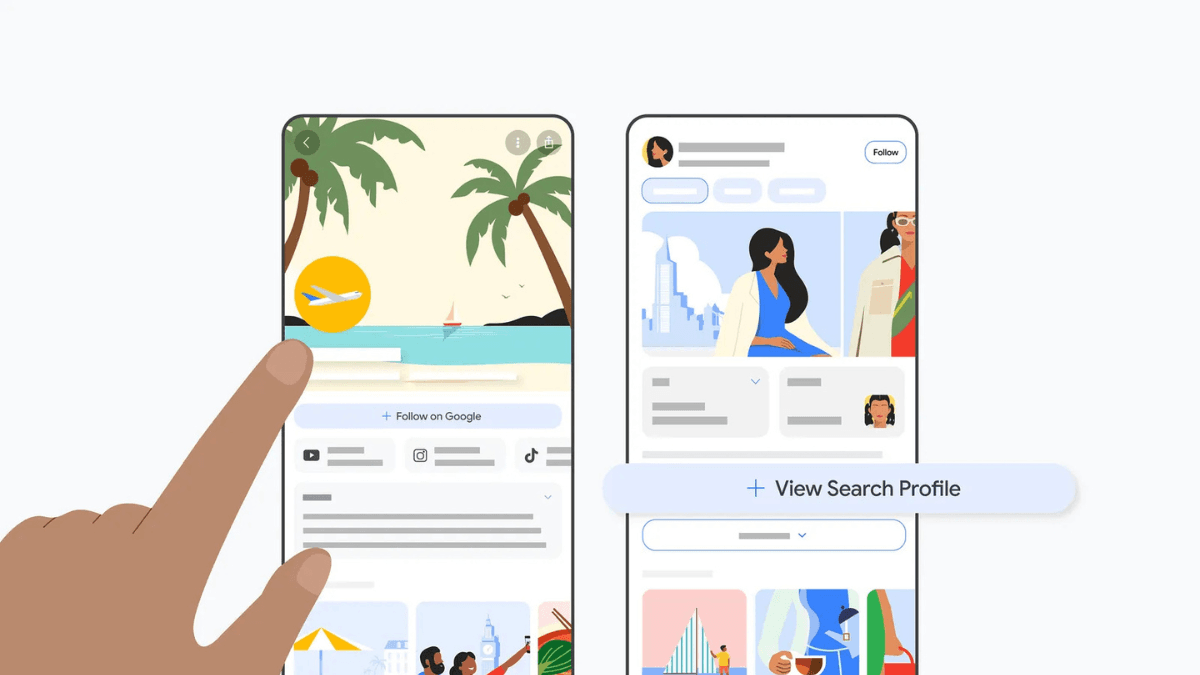
Google is giving publishers and creators a dedicated space on its search engine to aggregate their digital footprint. Instead of relying purely on third-party bio link tools, eligible users can build a central hub featuring their avatar, biography, website, and linked social media accounts. This creates a direct touchpoint where audiences can verify information and follow sources without leaving the search results page.
The feature is currently rolling out exclusively in the US, with India availability not yet confirmed. By tapping a creator’s name on the Discover feed or accessing their knowledge panel, readers are taken directly to this curated content hub.
How do you actually get a Search profile? Creators with a sizable following on at least one major platform can claim their profile, which may also automatically generate a knowledge panel if they do not already have one. Those with existing knowledge panels will see them updated with recent content and a direct link, ensuring their most current work remains visible to anyone looking them up.
The Snapshot
ⓘ Sponsored: Unbox Daily HQ earns a commission if you buy through these links, at no extra cost to you. Prices shown are subject to change, and the actual price on Amazon at the time of purchase may vary from what is displayed here.
| Feature | Detail |
| Platform | Google Search |
| Key Requirement | Sizable following on one major platform |
| Access Points | Knowledge panel, Discover feed, direct URL |
| India Price | Global: Price not confirmed – India price not yet confirmed |
| Availability | Available globally – India: not yet confirmed |
The Big Picture
Digital discovery is shifting from social media feeds back to direct search intent. While creators currently rely heavily on tools like Linktree or custom web pages to consolidate their digital presence, this native integration keeps audiences within the primary search engine. In a market where independent publishers constantly battle algorithmic changes across different video and social platforms, a static, verifiable search identity offers much-needed stability. It directly challenges third-party link aggregators by offering prime real estate on the world’s most visited webpage.
The India Prospective
While currently restricted to the US, this launch holds significant weight for India’s mobile-first internet users. With Android dominating the Indian market, the Google Discover feed, where these profiles surface prominently is a primary content discovery tool. When this eventually arrives here, it will offer Indian publishers a native alternative to external link aggregators. This ensures audiences remain within the Google ecosystem, bypassing slow website loading times across fluctuating mobile networks in non-metro cities.
The Inside Intel
Simply claiming one of these new profiles might actually trigger the creation of a Google knowledge panel for eligible publishers and creators. Historically, securing that coveted information box on search results required complex search engine optimisation and significant external press coverage. Now, establishing a verified space on the platform serves as a direct catalyst for gaining that authoritative digital badge.
The Unboxed Truth
Unbox Daily HQ suggests preparing your digital assets now if you rely on search traffic. For digital creators, journalists, and brand publishers, having a verified, consolidated hub directly on a search engine is far more valuable than a standard social media bio link. While the tool requires no financial cost, the real investment is the time spent maintaining a consistent presence across your primary platforms to ensure eligibility. Expect free integration once this reaches India, which serves as a key development for digital publishers to monitor. This is a definitive upgrade from a fractured social media presence.
Best for: Independent journalists and video creators who need a verified, centralised hub to showcase their work across multiple platforms.
Who Is This For: Perfect for 24 to 42-year-old digital professionals in the media space who want to convert casual searchers into permanent followers.
The Checkout
The Source
Google Global
The feature is currently rolling out exclusively in the US, meaning India availability is not yet confirmed. When it eventually launches here, it is expected to remain a free integration. It will offer Indian publishers a native alternative to external link aggregators directly on the Android-dominated Google Discover feed.
Unlike Linktree, a Google Search profile provides a native integration that keeps audiences within the primary search engine rather than redirecting to a third-party webpage. It aggregates a creator’s digital footprint directly onto their knowledge panel or Discover feed. This allows users to follow accounts directly from the search results page, bypassing slow website loading times on fluctuating mobile networks.
This feature is built for independent journalists, video creators, and digital media professionals who need a centralised hub to showcase their work. To qualify, users must maintain a sizable following on at least one major social or video platform. It is worth tracking for anyone wanting to convert casual searchers into permanent followers.