Thursday, May 28, 2026 |Navi Mumbai
--:-- | --°C | AQI --
If it's not on Unbox Daily HQ, it's not a Launch. Every product, policy and brand launch in India. One hub. What's new?
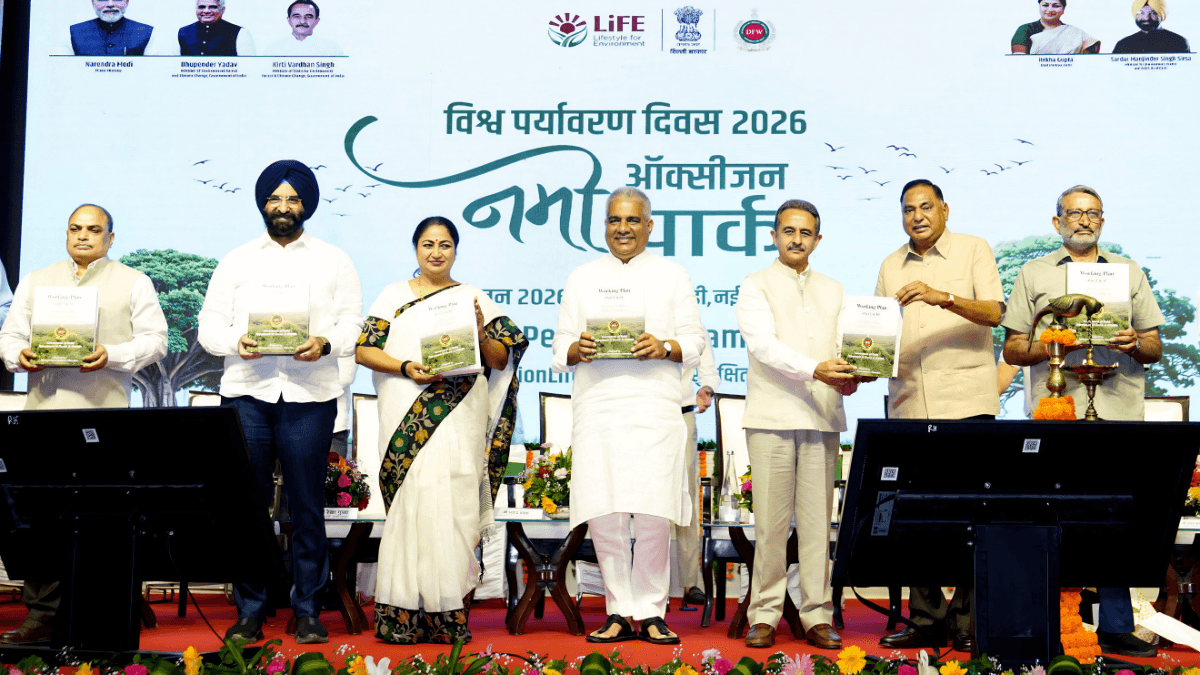
A ten-year management plan for the Asola Bhatti sanctuary accompanies this massive urban greening and plantation push.
The Essentials
The Pulse
The Union and Delhi governments have opened 18 new Namo Oxygen Parks across the capital to combat severe urban pollution. These spaces are designed as urban green lungs, offering immediate relief to residents dealing with notoriously poor air quality. The initiative pairs physical park infrastructure with a massive plantation target of 15 lakh trees for the current year.
You might be wondering what exactly an oxygen park does. These parks utilise specific local grasses, bushes, and trees to act as natural air pollution control devices, settling road dust and filtering vehicular emissions.
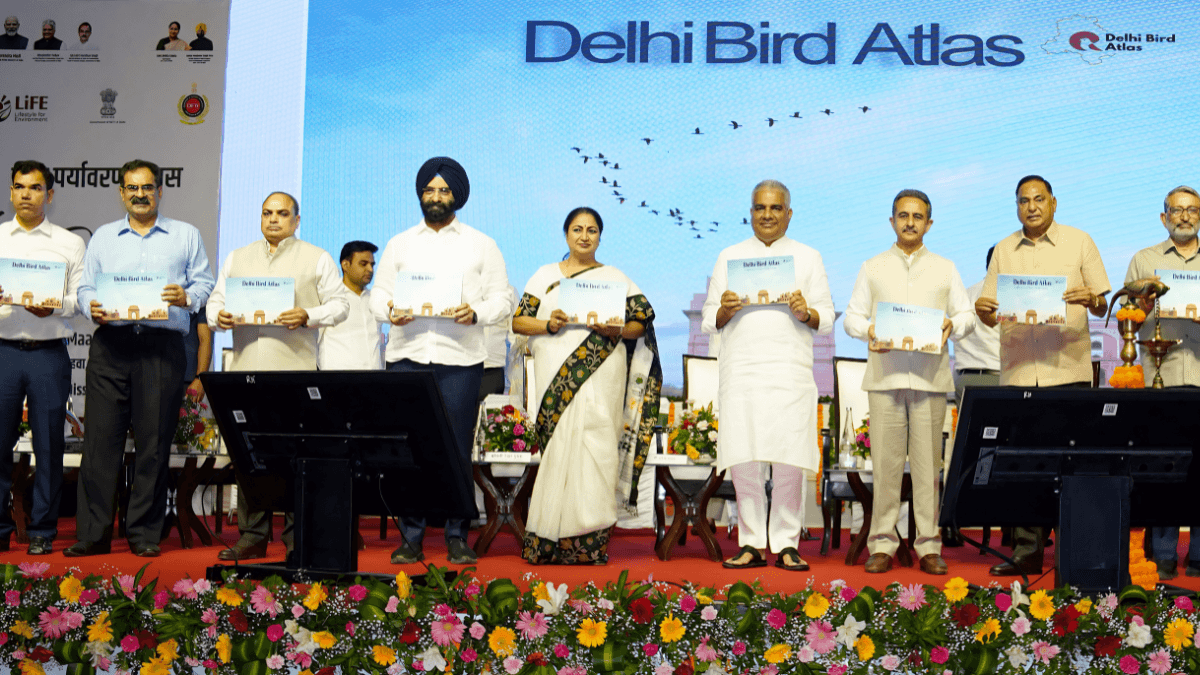
The strategy goes beyond just planting saplings. Alongside the physical parks, the government released a ten-year management blueprint for the Asola Bhatti Wildlife Sanctuary and the first citizen-led Delhi Bird Atlas. This dual approach of scientific planning and public participation shows an administration trying to build long-term ecological resilience rather than temporary fixes.
The Snapshot
ⓘ Sponsored: Unbox Daily HQ earns a commission if you buy through these links, at no extra cost to you. Prices shown are subject to change, and the actual price on Amazon at the time of purchase may vary from what is displayed here.
| Category | Information |
| Initiative | 18 Namo Oxygen Parks inaugurated |
| Plantation Target | 15 lakh trees in 2026 |
| Key Documents | NCT Delhi Working Plan, Asola Bhatti Management Plan, Delhi Bird Atlas |
| Campaign Affiliation | Ek Ped Maa Ke Naam |
| Location | National Capital Territory of Delhi |
| Access | Free public utility |
The Big Picture
Indian metros are scrambling to balance rapid infrastructure expansion with basic liveability. While Mumbai aggressively builds coastal roads and Bengaluru struggles with disappearing lakes, Delhi is leaning heavily into formalised urban greening. This move to create designated oxygen parks reflects a broader national strategy to tackle land degradation and biodiversity loss. By integrating citizen science like the Delhi Bird Atlas with hard government targets, environmental management is moving away from closed-door bureaucracy towards active public participation. The real test will be the survival rate of these 15 lakh saplings.
The India Prospective
For professionals living or working in the NCR, these oxygen parks provide crucial micro-havens from vehicular emissions and road dust. If you frequently travel to Delhi for work, accessing these green spaces offers a practical way to manage the immediate physical toll of the city’s air. The inclusion of local bushes and grasses specifically targeted at dust reduction shows a highly localised approach to a uniquely Indian urban crisis.
The Inside Intel
The newly released Delhi Bird Atlas is not just a government survey. It is a landmark compilation built through extensive citizen science. Naturalists, amateur birdwatchers, and volunteers across the city contributed the data, making it one of the largest participatory mapping exercises conducted in the capital. The civil society organisations involved were officially recognised, marking a rare instance of direct state acknowledgment for hobbyist conservationists.
The Unboxed Truth
Unbox Daily HQ views this as a necessary and highly practical step for Delhi residents. If you live in the capital or visit frequently, these 18 parks are worth locating and using during peak pollution months. While a 15 lakh tree plantation drive sounds impressive on paper, the immediate value lies in having protected, dust-free recreational zones mapped across the city as a free public utility. The integration of citizen science into formal government planning is the one thing that makes this initiative stand out from typical political plantation drives. Track the Asola Bhatti developments if you care about urban wildlife.
Best for: Delhi NCR residents and frequent corporate travellers who need clean outdoor recreational spaces
Who Is This For: Perfect for 28 to 50 year old urban professionals in Delhi who actively seek out green spaces for early morning runs or weekend recovery
The Checkout
Ministry of Environment, Forest and Climate Change – India Page
The Source
Ministry of Environment, Forest and Climate Change | PIB.GOV.
Entry to the 18 newly inaugurated Namo Oxygen Parks across Delhi is entirely free for the public. These spaces have been developed as free public utilities to serve as urban green lungs for the city’s residents.
These parks act as natural air pollution control devices by utilising specific local varieties of bushes, grasses, and trees. This configuration helps in settling airborne road dust and filtering vehicular emissions in high-traffic areas.
These parks are designed for Delhi NCR residents and frequent corporate travellers who require clean outdoor recreational spaces. They offer practical micro-havens for urban professionals looking for dedicated green zones for morning runs or weekend recovery.